



















Over the past two decades, researchers and doctoral students have focused on studying love, care, kindness, and compassion within urban settings. Why has this been the focus? Because social science research regarding life in American cities remains desperately incomplete. Much like the prevailing vision of urban life found throughout American popular culture, social science research often frames urban areas primarily as sites of overwhelming stress, disengagement, social and moral crisis, threat, and violence.
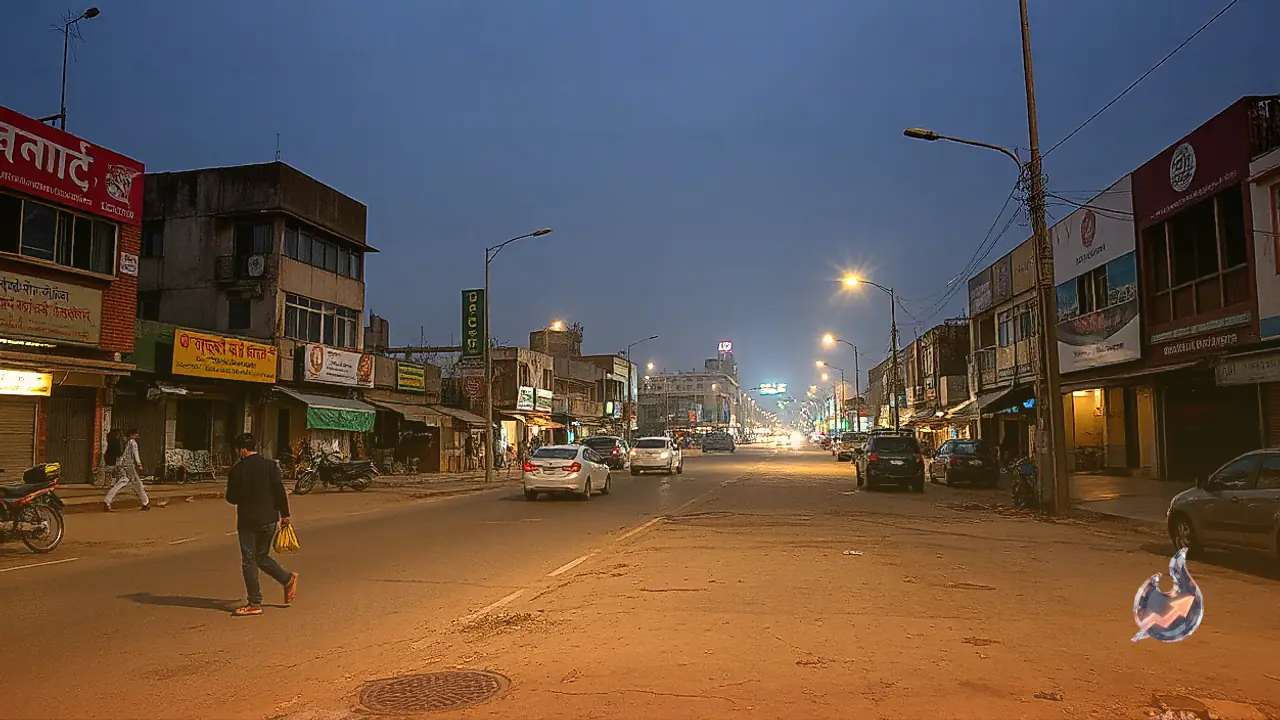
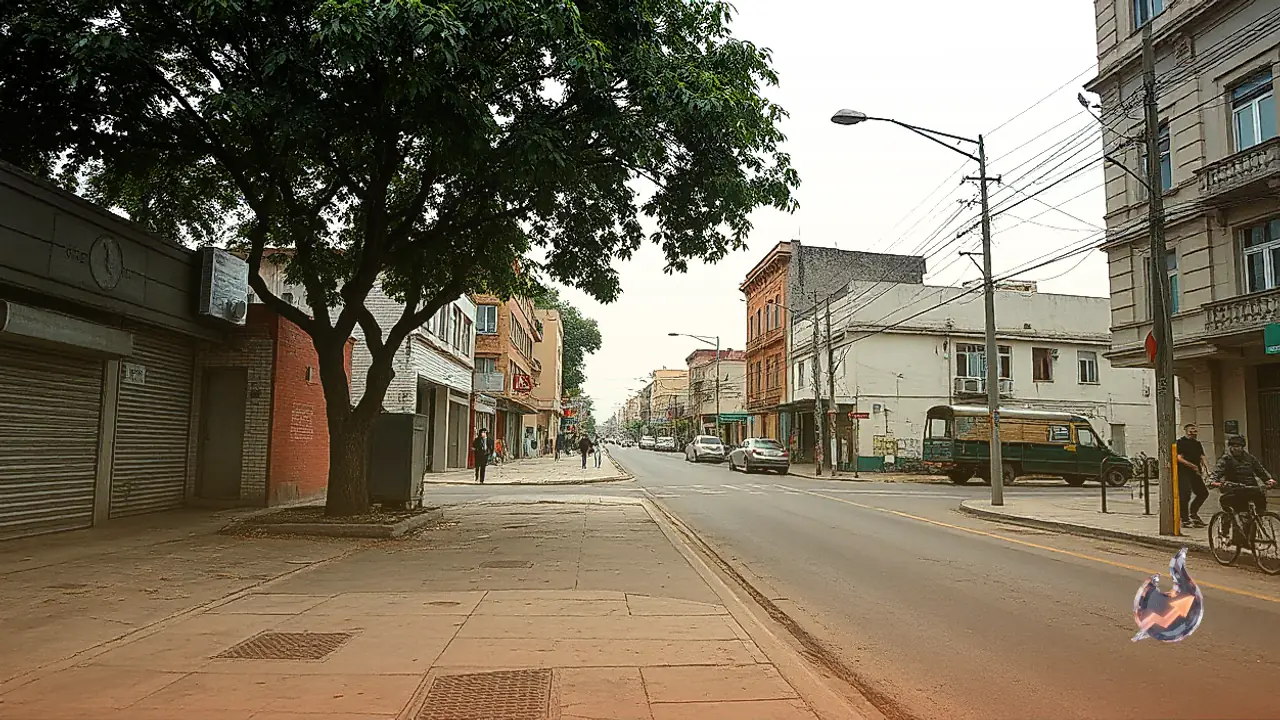
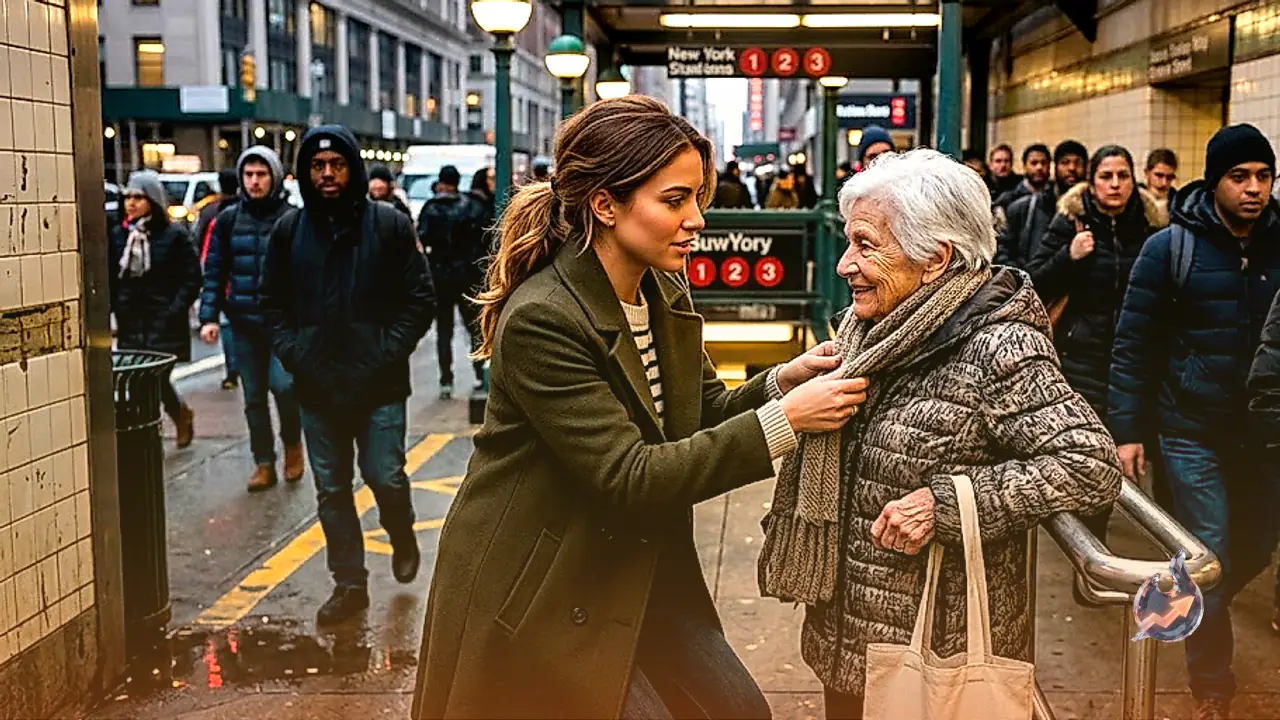
However, anyone who has lived and worked inside major urban centers—such as New York City, Chicago, Detroit, and Istanbul—knows firsthand that these centers are equally sites of profound human virtue. Individuals living in urban contexts, including those in high-stress, heavily surveilled, and under-resourced communities, draw daily from deep wells of love, compassion, empathy, kindness, and generosity to care for one another. From holding doors open, offering seats on buses and trains, stopping to assist with directions, to offering unexpected compliments, city residents continually foster environments saturated with powerful acts of care that are easily overlooked.
Understanding Love in Complex Urban Environments
Researchers have long sought to understand how love, generosity, and care manifest and operate amidst the hyper-diverse, densely populated, loud, and fast-paced complexities of urban spaces. Through surveys and interviews, experts have examined how adults residing in major cities define love, how they observe it being expressed, and their perspectives on the cascading effects of giving and receiving care and generosity.
Findings indicate that deciding to express love and care for others in large cities is far from a simple moral or emotional choice. Two distinct examples illustrate the necessary lens required to notice the true presence of love within cities.
The Role of Identity in Interpersonal Compassion
First, research shows that identities matter deeply in experiences of compassion, love, and care between complete strangers. An urban dweller’s identity—including race and gender—alongside lived experiences, immediate contexts, familial backgrounds, cultural norms, and legal systems, all work in tandem to shape decisions about extending acts of care to unfamiliar people. For instance, Kehinde, a 26-year-old African American man living in a densely populated metropolis, described his experiences of giving and receiving kindness as intricately shaped by how others perceive him as a Black man.
"I will see folks all the time that may need a hand with their bags or crossing the street or just little things like that. And I take a second, hesitate," Kehinde explains. "I don't want to scare them. I don't come off as a threat."
Navigation, Shape-Shifting, and Safety
To navigate these delicate moments, Kehinde engages in ongoing practices of careful analysis and shape-shifting. Before stepping forward to offer assistance, he assesses the surrounding environment and actively alters his physical demeanor so that others perceive him as a helper rather than a threat. He notes: "I smile a lot more. My voice might change a bit." He might physically shrink his posture and keep his head down to avoid appearing intimidating. After offering help, he departs quickly without lingering. Reflecting on these interactions, he acknowledges not being his full, true self: "I have to realize I've been socialized—made to believe that this is what I need to do in order to navigate the situation."
Kehinde's account underscores the reality that identities matter significantly within economies of care. The stereotypes and images constructed about specific groups carry a heavy cost, even during moments of genuine compassion. Stereotypes dictate who is perceived as deserving of care, concern, and protection, while also informing expectations regarding who can be trusted to help. While stereotyping is not exclusive to urban settings, the extreme diversity of cities creates abundant opportunities to examine how social scripts influence stranger-to-stranger care across lines of difference.
Targets of stereotyping are acutely aware of how they are perceived. They learn that to be seen as helpful rather than threatening, they must read situations accurately, make precise behavioral adjustments, and exit scenarios strategically. This requires balancing deep-seated internal motivations to behave caringly with the absolute necessity of personal safety. For individuals like Kehinde, miscalculations carry steep consequences, ranging from embarrassment and rejection to violence, arrest, or worse. Consequently, people consciously or unconsciously learn strict rules of engagement regarding helping strangers.
The Built Environment as a Canvas for Care
A second major lesson emerging from urban love research is that love lives directly within the built environment of cities. Urban neighborhoods are frequently saturated with murals, billboards, and symbols conveying clear messages of love, solidarity, and belonging. As residents traverse neighborhood streets, they encounter prominent signs in shop windows or near religious institutions reminding them that "Black Lives Matter," "Love Is Love," or "Immigrants Are Welcome Here." Residents display rainbow and national flags from apartment windows and vehicles, declaring both personal identities and solidarity with others.
Furthermore, the physical architecture of urban spaces actively facilitates expressions of care. In numerous neighborhoods, porches, stoops, and front steps function as vital hubs of connection. Simple greetings exchanged by neighbors sitting on their steps serve as powerful ways of spatializing love and care across the urban landscape.
Broadening the Scope of Urban Research
Current studies of urban areas remain incomplete and will continue to be until research more fully examines how various forms of human goodness flourish in cities. Likewise, our broader understanding of love and care remains underdeveloped until explored within the most densely populated, diverse, and complex social structures. True understanding of love requires examining how it is filtered through place, context, history, culture, religion, power structures, identities, and individual relationships.