



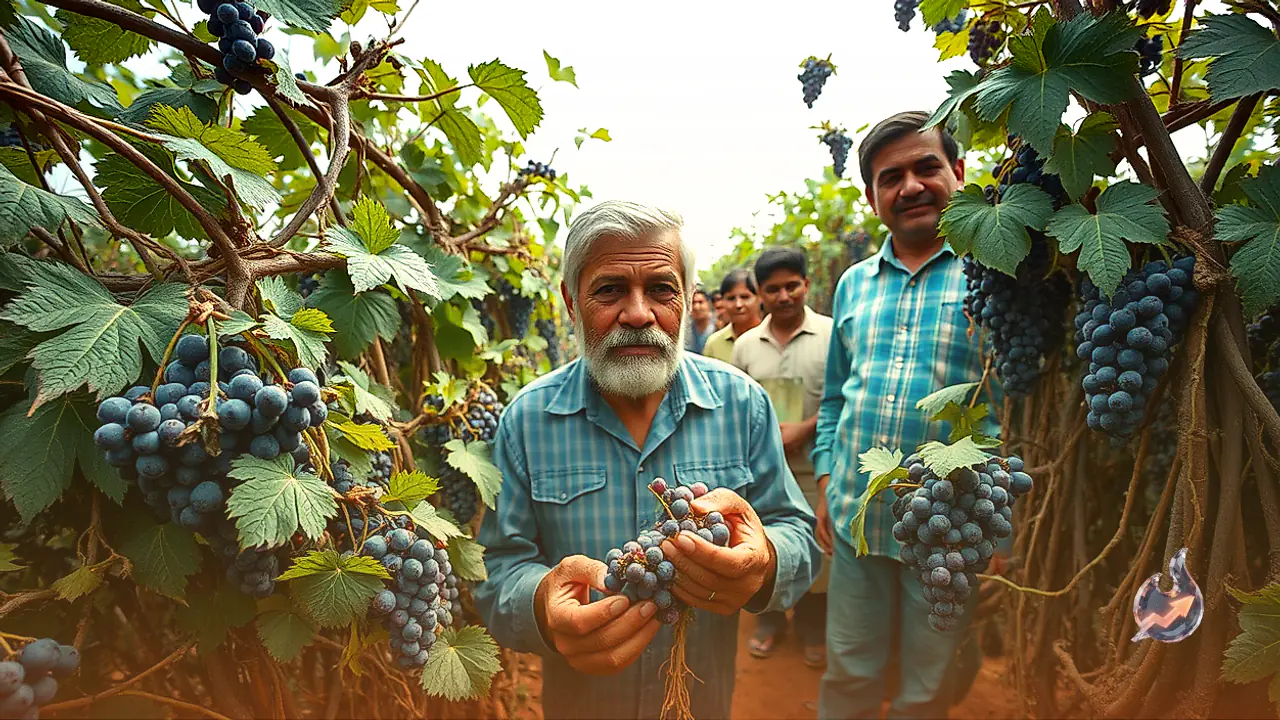


















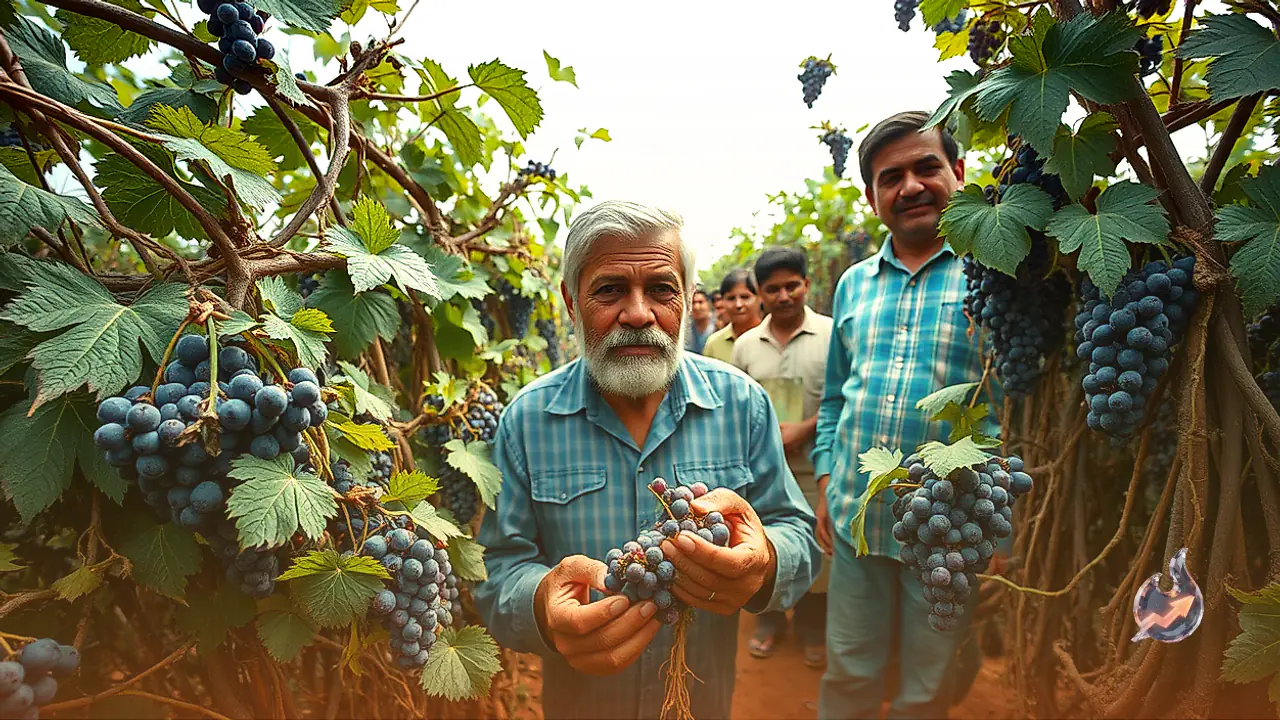

Flourishing naturally among roadside thickets and countryside shrubs, the Makoy plant might appear unremarkable at first glance, yet it holds a long-standing place within traditional herbal healing. Across northern Indian villages, residents frequently refer to it as Kala Bhatkoiya, a name derived from the glossy black appearance its small fruits take on once fully ripe. Due to its berry-like clusters and widespread availability in countryside pastures, some localities affectionately dub it the grape of the poor. District Ayurveda and Unani Officer of Ballia, Dr. Anil Kumar, has shared detailed observations regarding this plant's physical traits, regional presence, and customary medicinal applications.
Botanical Features and Geographic Distribution
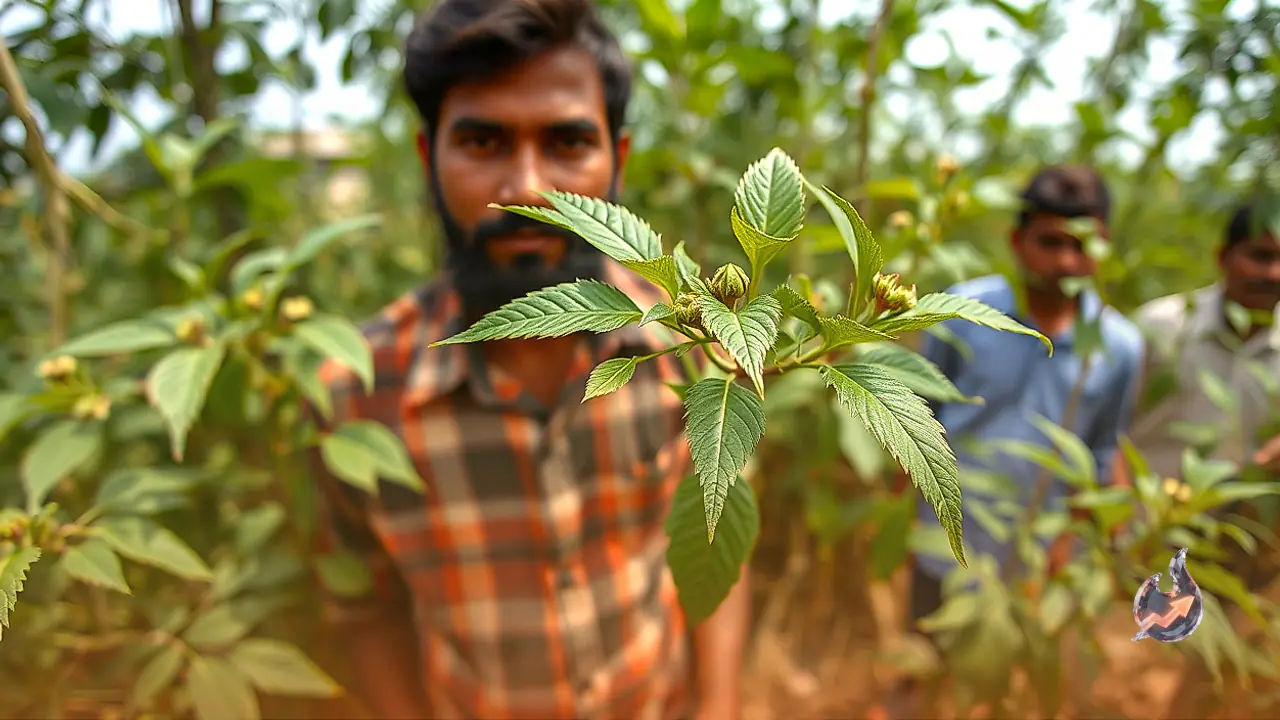
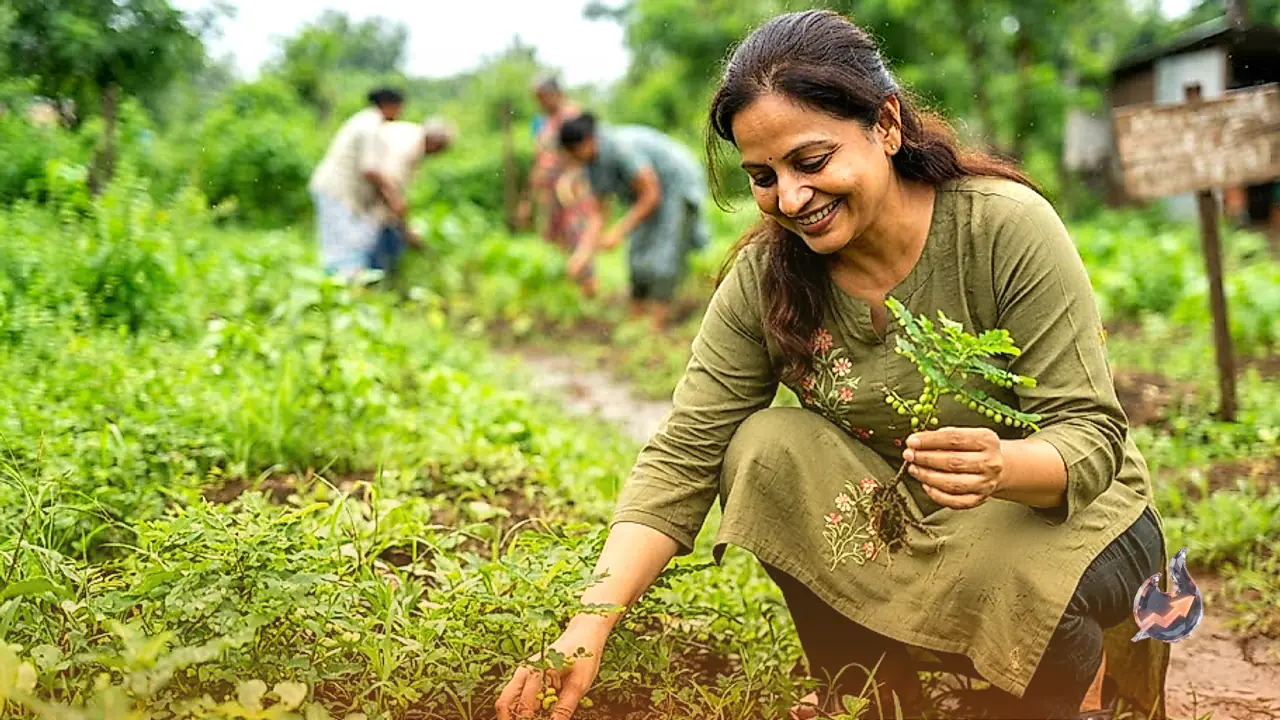
According to Dr. Anil Kumar, Makoy grows as a bushy shrub covered in green foliage, producing small spherical fruits that turn distinctly dark upon ripening. The wild plant thrives abundantly across the Ballia district, spanning broader Purvanchal and surrounding rural territories. Within traditional Ayurvedic practices, various components of the shrub have historically been administered to address urinary ailments, skin issues, sluggish digestion, and liver disorders.
Traditional Applications in Liver and Digestive Care
Folk medicine traditions document the use of Makoy for managing inflammatory swelling, chronic pain, digestive irregularities, and jaundice. Dr. Kumar notes that historic Ayurvedic literature even mentions its application in supporting individuals coping with fatty liver conditions. These centuries-old domestic references have sustained its reputation as a restorative household botanical across agrarian belts.
The Necessity of Rigorous Scientific Validation
Despite deep-seated cultural references, medical specialists underscore that therapeutic claims require thorough, contemporary scientific validation before being treated as proven medical interventions. Relying on Makoy decoctions as a guaranteed remedy without formal clinical guidance carries inherent health hazards that should not be overlooked.
Risks of Misidentification and Unmonitored Use
Gathering wild flora involves significant risks, as non-medicinal or toxic wild plants can easily be mistaken for beneficial herbs. Furthermore, the safety profile and active chemical potency can differ drastically across leaves, stems, roots, and fruits. Individuals managing preexisting renal dysfunction, hepatic conditions, or other severe medical disorders must consult a certified medical practitioner prior to ingesting any wild botanical preparation.