























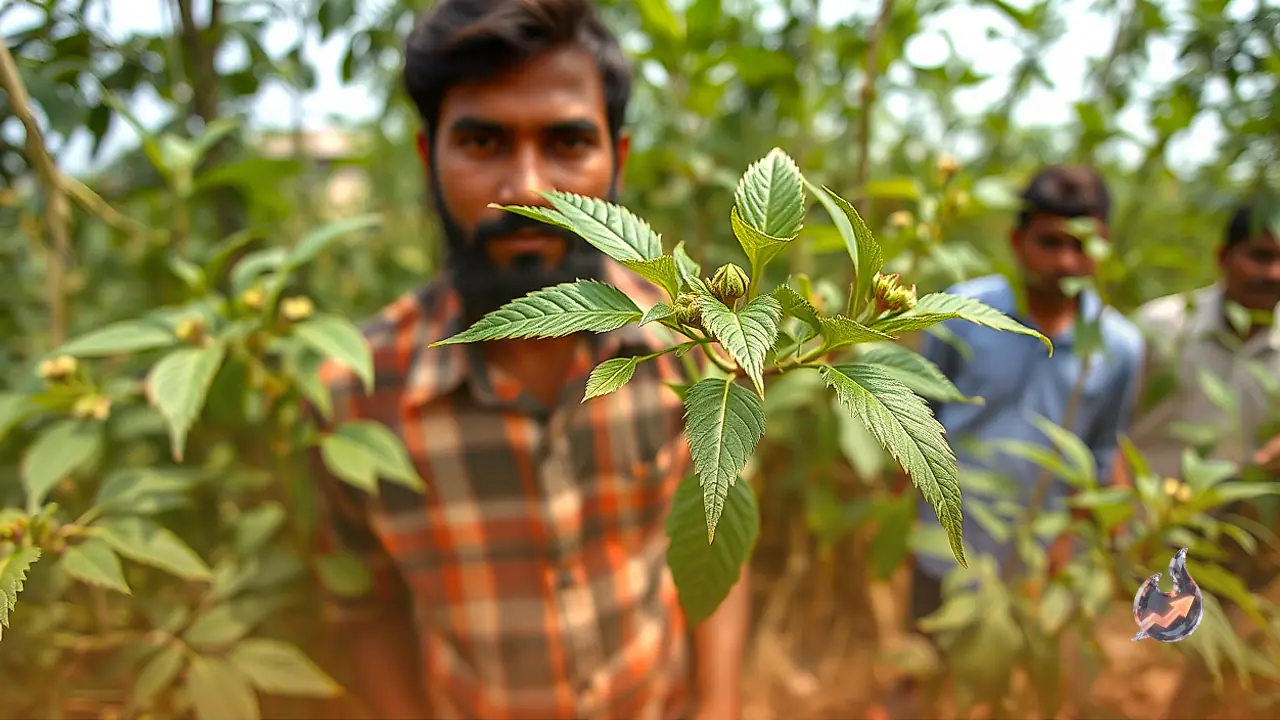

Across open fields, uncultivated lands, and garden patches, a low-growing wild herb frequently sprouts unnoticed, usually discarded as an unwanted weed. In traditional Indian healing systems, however, this humble flora has maintained a notable presence across generations. Known widely as chhoti dudhi, the plant is characterized by a distinctive botanical trait: whenever its slender stems or delicate leaves are severed, a thick white milky sap immediately exudes from the wound. This characteristic secretion has led local populations and herbal practitioners to colloquially refer to the herb as dudhi or dudhiya.
Traditional Healing Applications and Medical Perspectives
Ayush Medical Officer Dr. Mohammad Iqbal points out that chhoti dudhi has conventionally been administered to alleviate digestive distress and various gastrointestinal ailments. Beyond internal stomach concerns, ancient references also note its therapeutic deployment for dermatological disorders, hair issues, and mild respiratory complaints. Medical authorities emphasize that prior to considering the botanical for any ailment, correctly identifying the specific species and understanding its potential side effects is imperative. Utilizing wild greenery without proper botanical validation and medicinal awareness can pose unforeseen health risks.
Digestive Relief and Potential Clinical Limitations
Within historical therapeutic frameworks, formulations derived from chhoti dudhi were administered to manage diarrhea, dysentery, painful abdominal cramps, and irregular bowel movements like constipation. In specific regional medical practices, it was additionally favored for chronic intestinal inflammation and sangrahani. Despite these traditional claims, modern clinical evidence verifying its direct efficacy remains limited. In conditions involving severe diarrhea or dysentery, preventing dangerous dehydration is the primary clinical requirement, necessitating immediate professional medical intervention rather than unverified botanical remedies.
Skin Manifestations and Scalp Care Traditions
The white sap or grounded paste of chhoti dudhi was traditionally smeared onto the skin to treat stubborn acne, ringworm, pruritus, and localized cutaneous rashes. Medical professionals advise extreme caution here, noting that the plant's milky latex can act as an irritant capable of inducing severe stinging, inflammatory flare-ups, and allergic contact dermatitis. Applying the raw latex straight onto sensitive skin without clinical guidance is strongly discouraged, making a visit to a certified dermatologist the safer recourse. In a similar vein, folk remedies describe blending the plant's juice with other herbal extracts to massage the scalp for combatting hair thinning and baldness. Because hair fall stems from complex nutritional, genetic, or hormonal imbalances, chhoti dudhi cannot be regarded as an established or verified cure for alopecia.
Respiratory Discomfort and Essential Health Warnings
Historical medical texts also mention utilizing chhoti dudhi preparations to manage productive coughs and clear excess phlegm from the bronchial tract. Certain lineages of herbal lore extended this application to general breathing difficulties. In serious chronic respiratory conditions such as bronchial asthma or acute dyspnea, relying on this wild herb instead of standard medical care can be extremely dangerous. The fact that a plant is completely natural does not automatically render it safe for unguided oral consumption or dermal use. Accurate dosing, safe processing techniques, and potential adverse interactions are critical factors. In particular, expectant mothers, young children, and individuals suffering from severe systemic illnesses must strictly refrain from using chhoti dudhi without formal medical authorization, recognizing that traditional lore cannot replace scientifically proven healthcare.