






















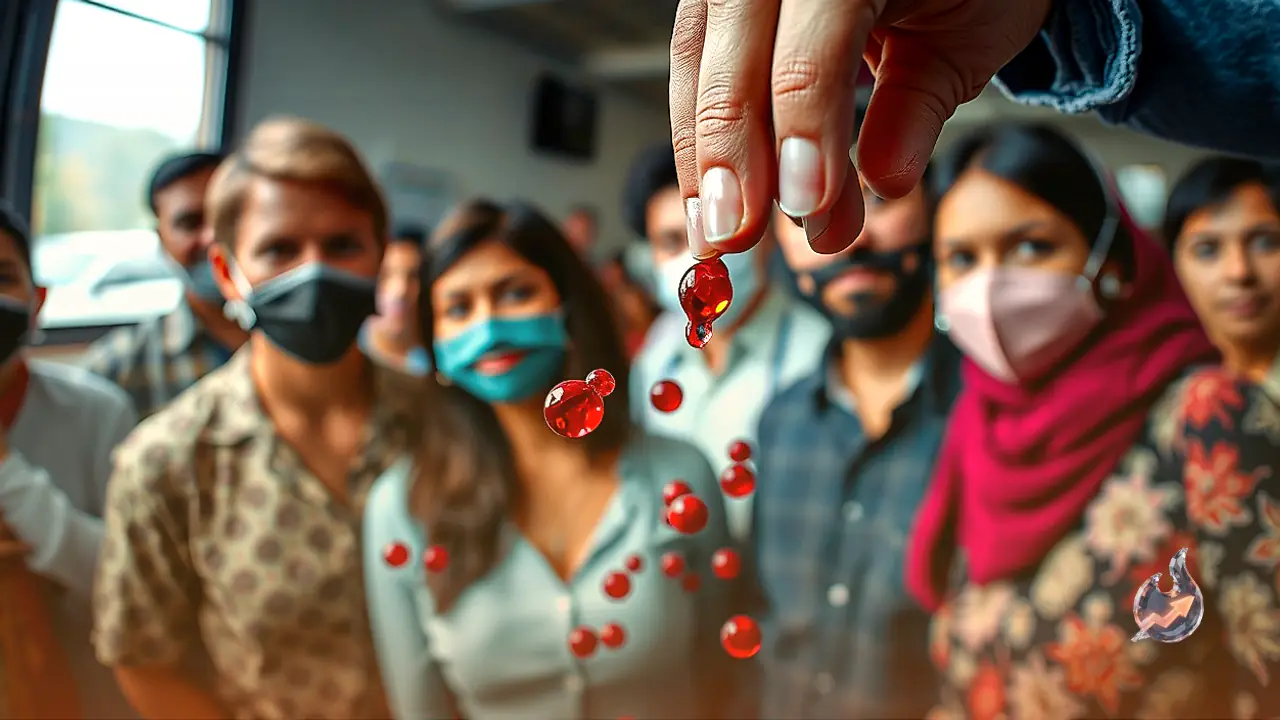

Tiny blood cells known medically as thrombocytes play an essential role in keeping the human circulatory system safe by enabling clotting. Functioning much like an organic bandage whenever an injury occurs, thousands of these specialized cells travel through just a single droplet of blood. Maintaining an optimal equilibrium of these cellular units remains vital for overall wellness, as deviations in either direction can quickly compromise vital vascular functions.
Understanding the Critical Balance of Clotting Cells
A significant deficit of platelets in the bloodstream impairs the body's primary defense against bleeding, often causing superficial injuries to bleed excessively or leaving strange blue or greenish bruises on the skin. Conversely, an excessive count creates an elevated risk of blood clots forming inside the veins, potentially restricting healthy blood flow throughout the circulatory system. Maintaining an appropriate count ensures that accidental cuts seal properly while preventing hazardous internal blockages from obstructing normal circulation.
Healthy Ranges and the Natural Lifespan of Platelets
In a healthy individual, normal blood platelet levels range strictly between 1,50,000 and 4,50,000 per microliter. Because these cells possess an active lifespan of only seven to ten days, the human body continuously manufactures replacements to sustain necessary clotting reserves. It generally takes the body approximately 72 hours, or roughly three days, to generate brand-new platelets, which makes thoughtful nutritional management an effective avenue for supporting ongoing production.
Health Hazards When Counts Fall to 50000
When an individual's count plummets to 50000, it marks a steep decline below normal baseline parameters. Medical professionals classify this specific physiological state as thrombocytopenia. Under this condition, even trivial cuts can lead to prolonged and heavy blood loss, while minor physical impacts can result in prominent blue-green bruising beneath the skin. Persistent fatigue and unexplained physical exhaustion are also common symptoms associated with this downward shift.
Nutritional Strategies to Support Platelet Recovery
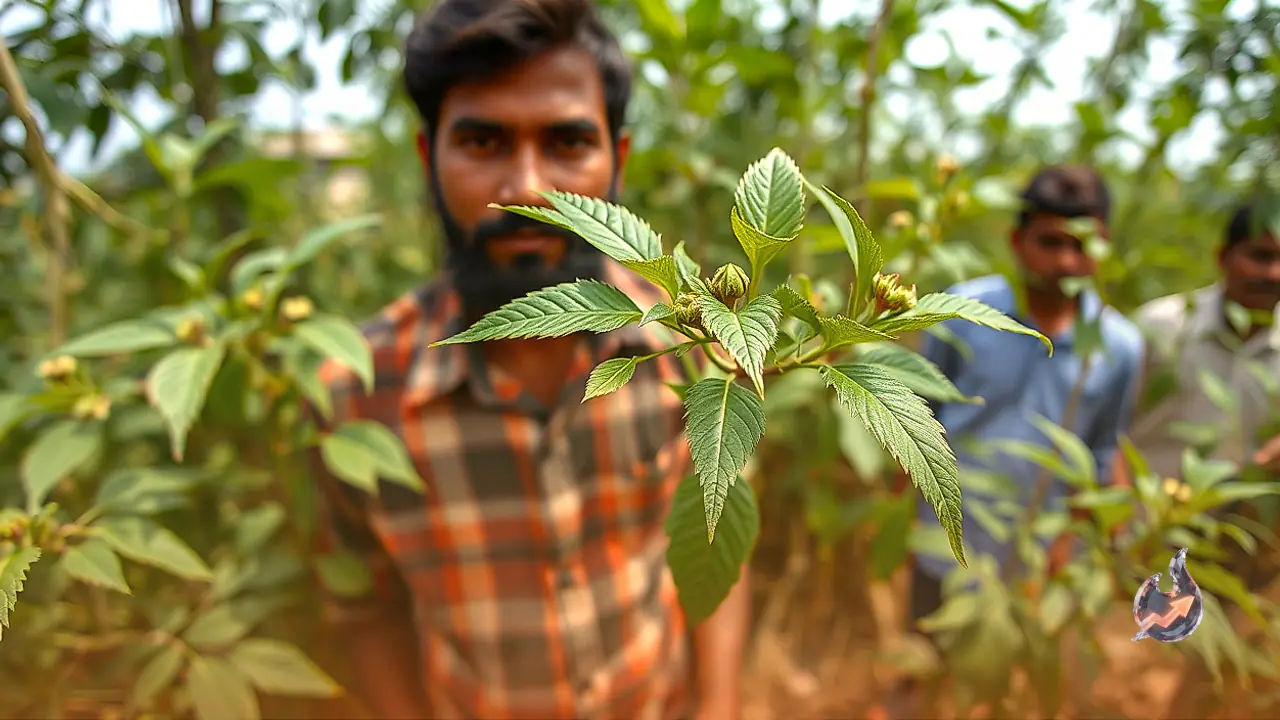
Consuming papaya along with juice extracted from papaya leaves is widely recognized for supporting platelet counts during deficiencies. Incorporating green leafy vegetables like spinach, fenugreek, and broccoli provides vital foundational nourishment, while fresh fruits such as pomegranate, oranges, sweet lime, and kiwi deliver essential dietary value. Rather than depending on a single miracle food, sustained cellular health relies on ensuring adequate daily intake of folate, iron, vitamin B12, vitamin C, and vitamin K across regular meals.