






















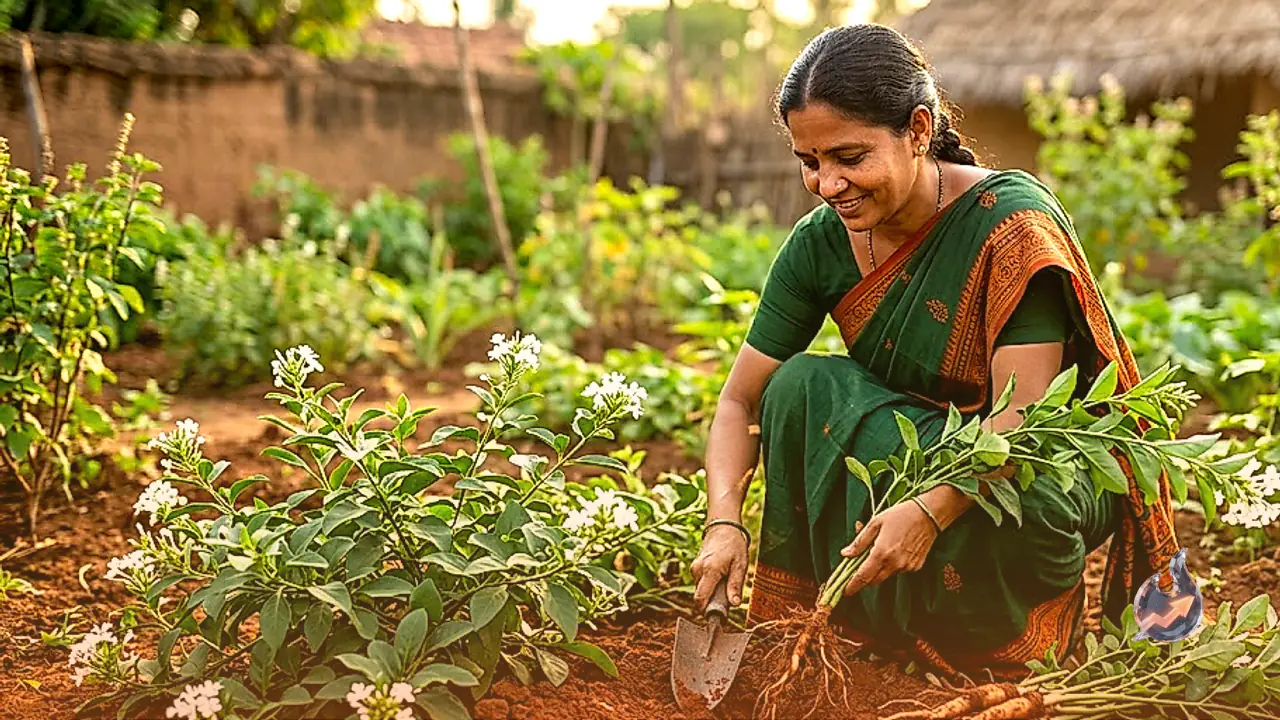

Across the rural landscapes of the country, numerous ordinary-looking plants thrive quietly, their hidden therapeutic properties remaining unknown to the majority of people. Chitrak is one such remarkable botanical specimen that has long held a valued place within traditional medical systems. Although it may easily be mistaken for just another wild shrub at first glance, its medicinal application dates back generations. The primary part of this plant utilized for healing purposes is its root, which forms the core component of various herbal formulations prepared by practitioners. Understanding the true nature of this easily accessible greenery requires a closer look at its properties and proper application methods.
Botanical Identity and Regional Names
In botanical terminology, this specific plant is officially recognized under the scientific name Plumbago zeylanica. Depending on the region and local dialects, people also refer to it by alternative names such as Chitra and Cheeta. According to Gonda-based Ayurvedic practitioner Dr. Abhishek Kumar Mishra, the root is the powerhouse of the plant's medicinal utility. Experts in traditional medicine emphasize that despite its extensive healing profile, utilizing it arbitrarily without professional supervision is strongly discouraged. The exact dosage and method of administration depend entirely on an individual's unique health condition and the severity of their ailment.
Enhancing Digestion and Stimulating Appetite
In modern times, poor dietary habits have made gastrointestinal troubles a frequent complaint for many individuals. Dr. Abhishek Kumar Mishra explained that Chitrak is prominently prescribed in traditional texts for stimulating sluggish digestive functions and improving a weak appetite. For those suffering from persistent digestive sluggishness or a lack of interest in food, the plant's properties are considered quite beneficial. Furthermore, it is sometimes employed in specific Ayurvedic therapies to help cleanse the digestive tract and relieve internal discomfort. Because every patient's bodily constitution varies, the preparation and amount must always be determined by a qualified specialist rather than through self-medication.
Fever Management and Critical Health Warnings
Beyond its primary role in addressing stomach-related concerns, traditional medicine also utilizes the root of this plant in specific cases involving fevers and hemorrhoids. However, Dr. Abhishek Kumar Mishra explicitly cautions that its application is never a one-size-fits-all remedy. Patient assessment dictates whether this herbal remedy is appropriate for a given situation. For instance, individuals suffering from severe medical conditions such as heart blockages must strictly avoid taking such potent herbs without direct medical supervision. Consulting a certified doctor is always mandatory when dealing with critical cardiovascular ailments to prevent adverse outcomes.
Potential Risks of Unsupervised Consumption
While Chitrak is undoubtedly a valuable medicinal plant that grows abundantly in countryside environments, utilizing it without adequate knowledge can prove counterproductive. Consuming the root improperly or in excessive quantities can lead to unwanted side effects and bodily harm. Therefore, before attempting to use this botanical remedy for any health issue, seeking guidance from a trained Ayurvedic expert is essential. Combining proper awareness with precise dosage ensures that the natural healing properties of the plant work safely to support overall wellness without posing unnecessary risks to the body.