





















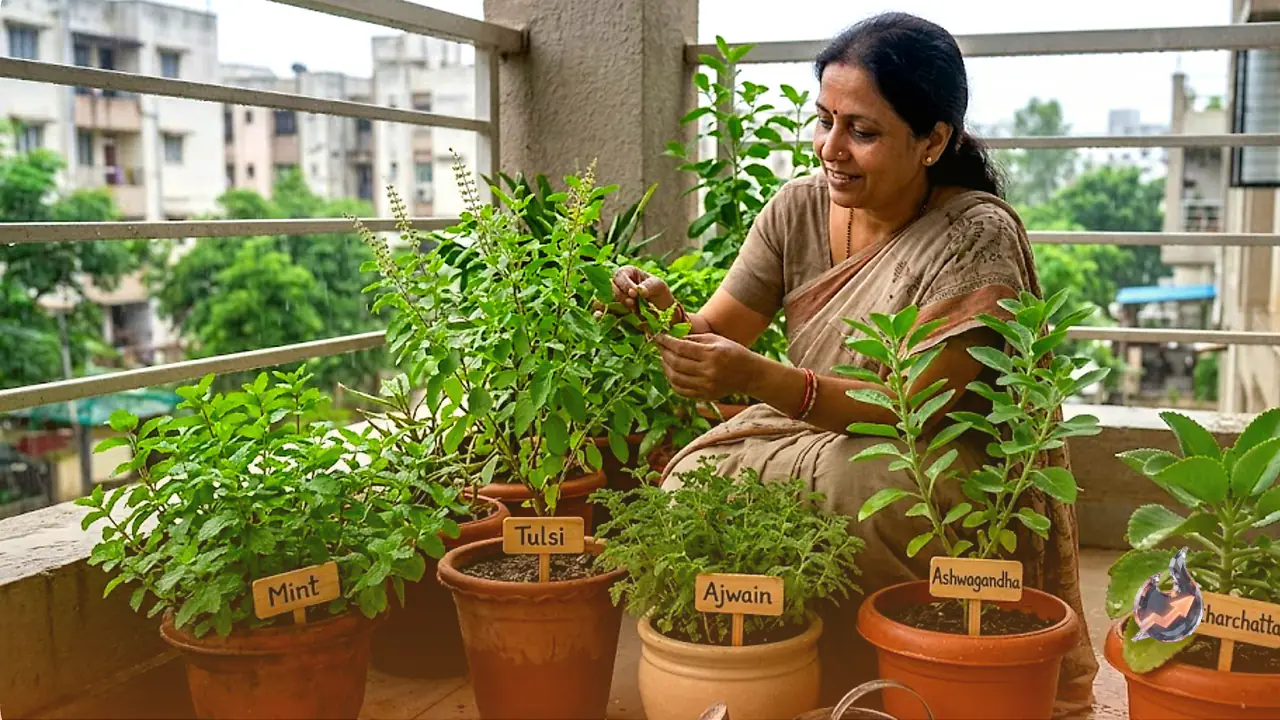

Once the monsoon arrives, it becomes the perfect time to turn a balcony or terrace green, and if a few specific medicinal plants go into those pots, the space stops being just decorative and turns into a small home pharmacy. July's showers help soil hold moisture and let roots take hold quickly, which is exactly why gardening experts consider this the best window to plant medicinal herbs. In a fast paced life, running to a doctor for every minor complaint or spending on expensive medicines is not always necessary if a natural remedy is already growing in a pot at home. There are five such plants that can be grown very easily in pots during the July rains, and besides boosting immunity, they also help keep the air inside a home clean and fresh.
The five plants that double as home remedies
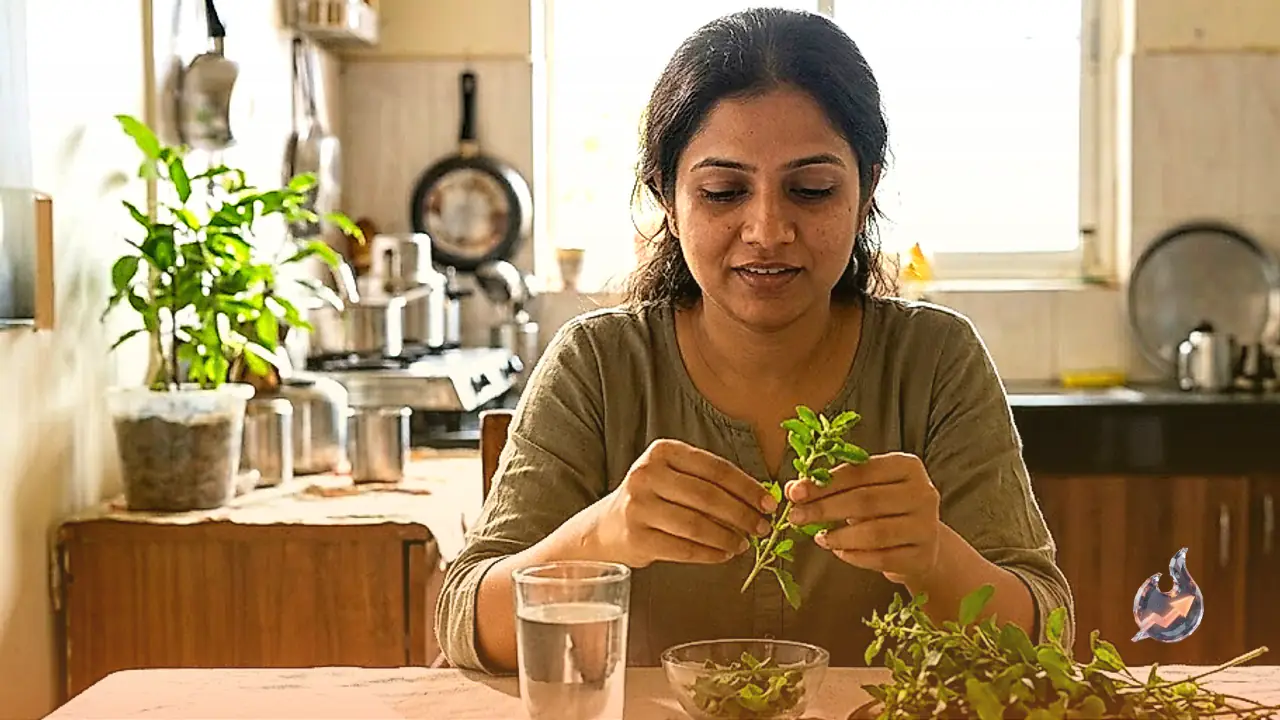
According to Anshuman Singh, a farmer from Satna, tulsi, often called the queen of herbs, can be grown easily in a pot measuring 10 to 12 inches. Its leaves are used in tea and kadha and help boost the body's immunity, and the plant is ready for use in just 40 to 50 days. Mint, which brings relief from stomach ache and indigestion, spreads very quickly from just a small cutting during July, and its first harvest can be taken in 30 to 35 days. Ajwain, or carom, considered a sure shot remedy for bloating and gas trouble, is known for its fragrant leaves, and when its cutting is planted during the monsoon, it spreads completely within 20 to 25 days. Ashwagandha, which helps reduce stress and anxiety, is a longer duration crop compared to the others, its seeds are sown in early July, and its roots take 150 to 180 days to be ready. The fifth plant is patharchatta, considered effective in treating kidney stones. Its unique trait is that placing just a single leaf on soil is enough to produce a completely new plant within 60 to 70 days.
Getting the potting mix right
Anshuman Singh explains that all five of these plants can comfortably be grown in pots measuring 12 to 14 inches, but preparing the pot the right way follows a specific formula. First, a good drainage hole must be made at the bottom of the pot and covered with pebbles or broken pieces of a clay lamp so that excess water can drain out easily. After that, the soil mix should combine 50 percent regular garden soil, 30 percent old cow dung manure or vermicompost, and 20 percent sand, all blended together thoroughly. Sand is added because it stops water from collecting inside the pot, which in turn keeps the plant roots from rotting during heavy rain. This small formula is what decides how healthy and how fast a plant will actually grow.
Choosing the right pot and caring for the plants
According to the expert, mint and ajwain spread very quickly, so they should be planted in pots with a slightly wider mouth. Ashwagandha, on the other hand, sends its roots deep into the soil, so it needs a deeper pot. All these pots should be kept in a spot at home that gets at least 4 to 5 hours of good morning sunlight, since these plants do not thrive properly without it. The watering rule is just as simple, touch the top layer of soil, and water only when it feels dry. Overwatering or waterlogging in the pot during the rainy season can damage these valuable medicinal plants, so this needs particular attention. Getting the soil mix, the pot size, the sunlight and the watering right, these four factors together are enough for anyone to build their own small medicinal garden at home.