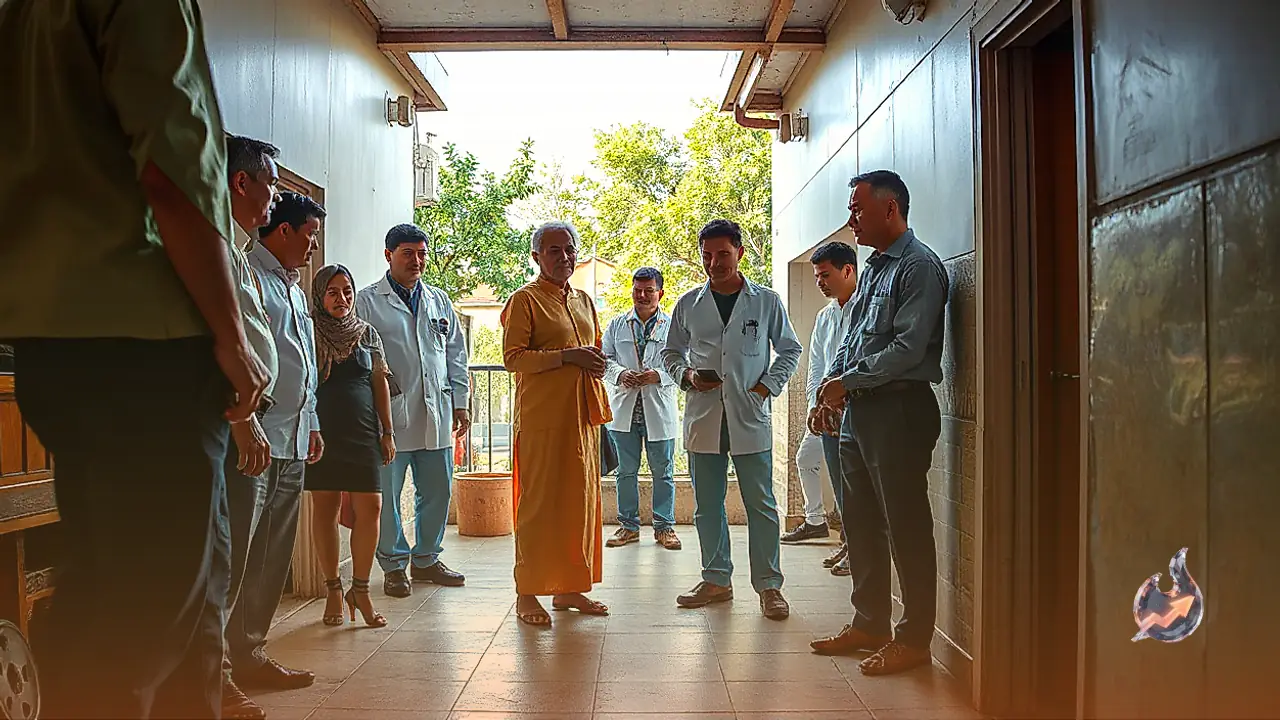

























Getting tattoos or body piercings at roadside stalls and local fairs without proper hygiene practices is rapidly emerging as a significant health hazard. During a district-level joint working group sensitization meeting organized to discuss HIV and AIDS prevention at the Vikas Bhavan auditorium in Jehanabad, Bihar, officials raised serious concerns over shifting infection patterns. The meeting, conducted under the guidance of the District AIDS Control Committee, was presided over by Deputy Development Commissioner Aditya Kumar Piyush, who cautioned the public against negligent practices that can lead to lifelong health complications.
Reused Needles and Low Awareness Escalate Transmission Risk
Addressing the gathering, administrative authorities revealed that while unsafe sexual contact and contaminated blood transfusions have traditionally been primary vectors of HIV, unhygienic tattooing and piercing setups are now developing into major infection hotspots. Young people looking to save small amounts of money or lacking awareness are unwittingly exposing themselves to severe health hazards at makeshift stalls set up in street markets and rural fairs.
A fresh, sterile tattooing needle costs 100 rupees or more. Due to a lack of awareness and a desire to cut costs, tattoo artists frequently reuse a single needle across multiple individuals. If a needle previously inserted into an HIV-infected person is reused on someone else without proper sterilization, the virus is introduced directly into the recipient's bloodstream. Similarly, local piercers in rural markets often use shared, unsterilized tools to pierce ears and noses, multiplying the risk of viral transmission across the population.
Understanding HIV Transmission Pathways and Dispelling Myths
Deputy Development Commissioner Aditya Kumar Piyush stressed the critical need to eliminate social stigmas and misconceptions surrounding HIV and AIDS. He clarified that HIV is not a contagious disease spread through casual everyday interactions. Misconceptions that sitting near an infected person, touching them, or sharing meals can transmit the virus are entirely unfounded and contribute to unnecessary social discrimination.
Officials reiterated that HIV is transmitted strictly through specific biological pathways, primarily unprotected sexual relations, shared needles or syringes, and transfusions of contaminated blood. The recent addition of unsterilized tattooing equipment and piercing needles to these transmission routes underlines the importance of maintaining strict personal safety standards in all procedures involving skin penetration.
Ongoing District Screening and Essential Precautionary Steps
Targeted screening programs currently underway across Jehanabad district continue to identify new HIV positive cases. Administration officials assured residents that while the detection of new cases requires heightened vigilance, there is no cause for panic. Timely awareness and strict adherence to safety protocols remain the most effective defenses against the spread of the virus.
The administration has urged citizens to completely avoid getting tattoos or body piercings from unauthorized roadside operators. Individuals choosing to get tattoos must ensure that the artist opens a brand new, sealed needle package in their presence. Furthermore, members of the public should strictly insist on certified sterile equipment during any medical procedure or blood transfusion to safeguard their health against HIV infection.