




















During festive celebrations and special family occasions, the inviting aromas emanating from village kitchens transform the entire atmosphere. While jaggery melts slowly over a low flame in one corner, dough is carefully kneaded in another. Amidst the wide variety of commercial sweets filling market shelves, traditional home-cooked delicacies hold a unique and unmatched place. Prominent among these traditional treats is Pidkiya, a delicacy that closely resembles Gujia in appearance yet stands apart through its distinct local preparation method and authentic rural flavor profile.
Culinary Skill Over Expensive Ingredients
The defining highlight of this traditional sweet lies in its simplicity. It requires no costly or imported ingredients, relying instead on basic pantry staples crafted with dexterous hand skills. Across rural communities, preparing Pidkiya during religious rituals, major festivals, and family gatherings has been a cherished culinary practice passed down through generations.
Preparation Method and Filling Variations
The process of making Pidkiya is straightforward and approachable. Dough is prepared by kneading wheat flour or refined flour to a smooth, pliable consistency. For the inner filling, a mixture of khoya, jaggery or refined sugar, grated coconut, and chopped dry fruits is mixed together. Depending on regional preferences and family recipes, the exact proportions and choice of filling ingredients vary slightly.
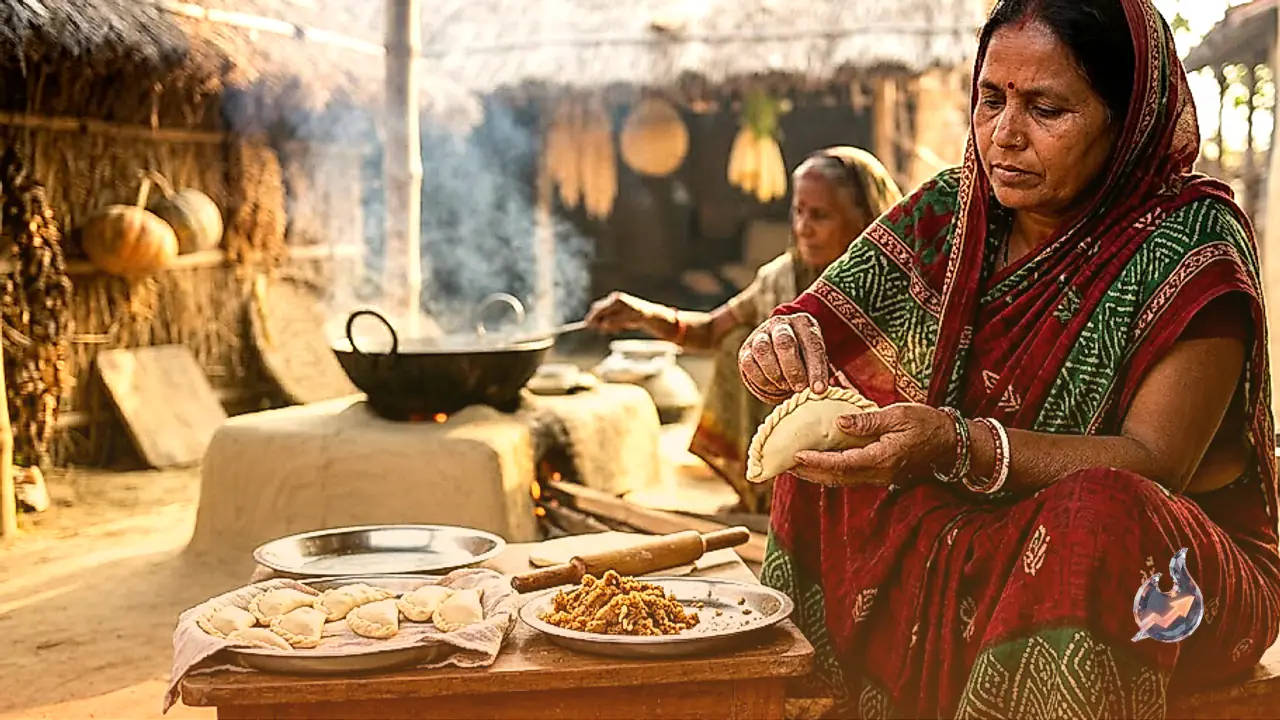
Creating the perfect Pidkiya involves more than mixing ingredients; shaping and sealing the edges properly is a true craft. Small dough portions are rolled into thin circles, filled with the prepared sweet mixture, and tightly crimped along the edges. Secure sealing prevents the stuffing from spilling into the frying vessel. The assembled pieces are then deep-fried in ghee or cooking oil over medium heat until they turn evenly golden brown. Certain areas follow alternative cooking traditions, giving each household's version a unique character. Some families favor a prominent coconut taste, while others accentuate the deep richness of khoya and jaggery.
Family Traditions and Cultural Nostalgia
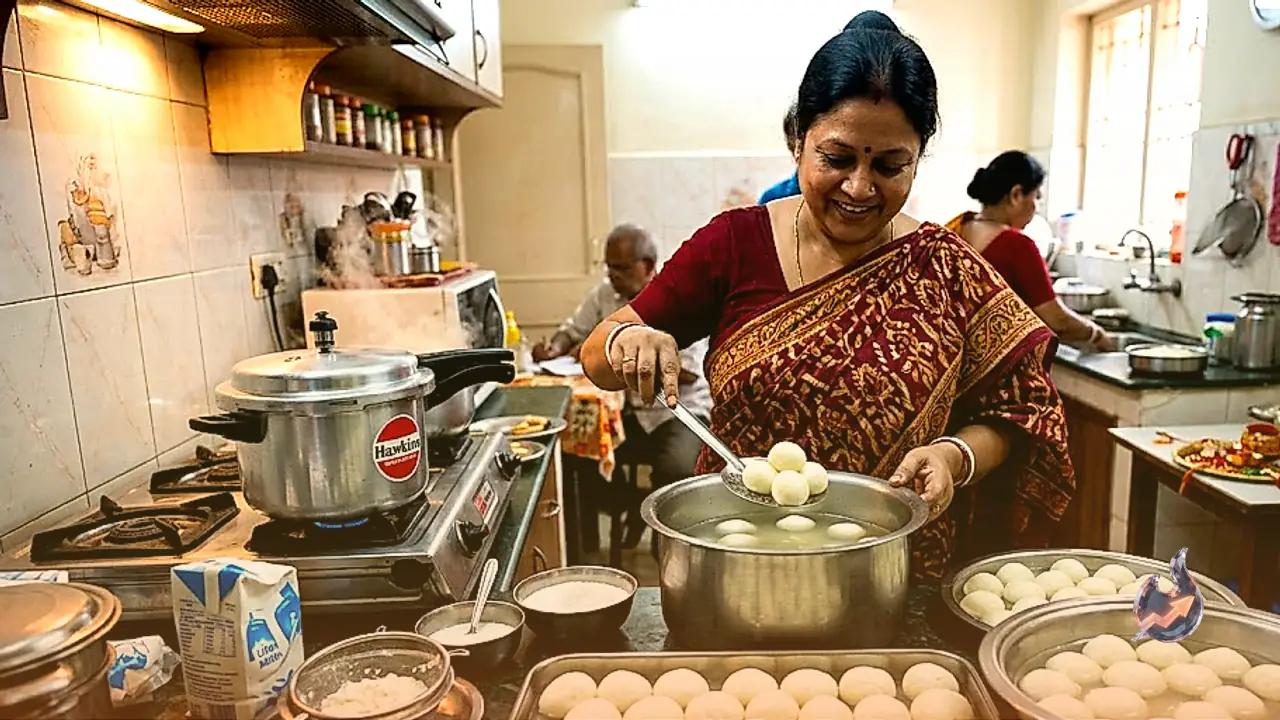
Traditional kitchen sweets in village homes represent much more than mere food items; they carry deeply rooted cultural traditions and warm family memories. During festive seasons, women gather together to prepare batches of Pidkiya in a collaborative environment. Children often sit nearby, eager to sample spoonfuls of the sweet filling or watching with anticipation as hot sweets emerge from the cooking pot. Although contemporary packaged sweets are widely accessible today, the enduring appeal of homemade Pidkiya remains strong, as automated production cannot replicate authentic domestic warmth.
Enduring Heritage in Modern Times
Even after relocating to urban centers, people from rural backgrounds fondly seek out these nostalgic festive flavors. Many households attempt to recreate the sweet at home, while local confectionary shops experience steady seasonal demand for it. Pidkiya serves as a delicious reminder that exceptional taste does not depend on expensive components. Simple staples like flour, jaggery, khoya, and coconut, when combined with care and traditional technique, create an unforgettable culinary identity that stays fresh in public memory.