























Nestled across the rugged landscapes and mountain settlements of Uttarakhand lies an array of native botanical treasures whose value has quietly sustained generations. Among the most remarkable of these plants is wild mustard, celebrated throughout the Himalayan belt by its regional name, jakhiya. While domestic cooking across northern plains routinely relies on cumin or carom seeds to temper lentils and vegetables, mountain households accord a place of honor to this tiny aromatic seed. Beyond lending a crisp, distinctive pungency and nutty crunch to traditional dishes, the herb has long served as a dependable domestic remedy for various ailments. Modern scientific investigations are increasingly analyzing the therapeutic properties that folk practitioners recognized long ago.
Botanical Characteristics of Cleome Viscosa
Known scientifically as Cleome viscosa, the plant exhibits features that make it straightforward to distinguish in its natural habitat. Its fresh foliage produces a noticeable stickiness to the touch, setting it apart from common wayside greenery. During the cool hours of the early morning, the plant unfurls attractive yellow blossoms. These petals are exceptionally delicate; as the sun rises higher and daytime heat intensifies, the flowers rapidly wither away.
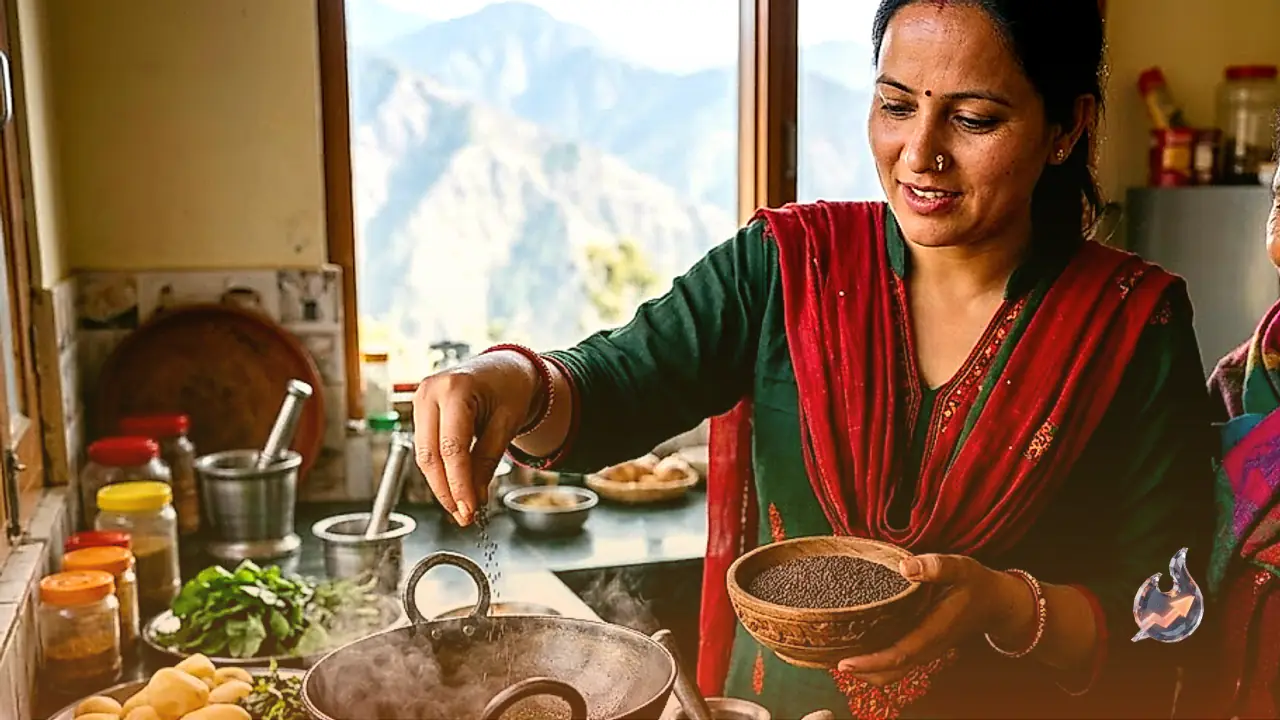
Following the blossom drop, slender seed pods develop along the stems. As these pods mature and dry out under the sun, they crack open to yield minute, dark black seeds. In culinary traditions across the hills, these dried seeds are vigorously preferred over cumin or carom for tempering dal, seasonal vegetable stir-fries, and spiced gravies. When tossed into smoking oil, their crackle and sharp aroma elevate the sensory depth of simple staples to an unmatched level.
Scientific Findings and Bioactive Qualities
For centuries, hill communities relied on simple preparations derived from jakhiya as frontline remedies for common physical discomforts. Contemporary research into the species has lent analytical credence to these ancestral practices. Laboratory evaluations indicate that decoctions extracted from the fresh foliage demonstrate physiological actions akin to standard paracetamol in mitigating bodily aches and reducing febrile conditions. This antipyretic and analgesic action explains why village healers turned to the brew during severe fevers.
Abundantly visible during the humid monsoon months, the plant serves practical agricultural functions as well as medical ones. Crushed leaves have traditionally been blended with stored cowpea harvests to guard the pulses against destructive weevil infestations, serving as an effective ecological pest deterrent. For topical trauma, poultices made from macerated leaves are laid over surface sores, abrasions, and skin lesions to deter bacterial spread and promote tissue healing.
Pharmacological research testing these native extracts has documented significant antimicrobial capability, noting its capacity to inhibit bacterial growth in comparisons against standard antibiotic benchmarks such as tetracycline. Furthermore, its seed fractions possess carminative and anthelmintic characteristics that address internal parasite burdens and digestive unease.
Core Ayurvedic and Folk Applications
Various parts of the jakhiya plant feature in specialized folk remedies designed to alleviate specific localized conditions
- Soothing Ear Discomfort and Suppuration: One longstanding custom involves crushing clean, fresh jakhiya foliage to extract liquid droplets, which are gently administered into the ear canal. This topical method is traditionally used to subdue acute earache and manage persistent purulent discharges.
- Temperature Regulation During Fevers: In historical household care, persons suffering from high body temperature were given boiled infusions prepared from the leaves. Because of its temperature-lowering qualities, this drink helped calm chills, bring down persistent fevers, and assist physical recovery.
- Strengthening Digestive Balance: Incorporating tempered seeds into daily meals offers carminative benefits. It actively discourages intestinal gas, minimizes bloating, supports metabolic ease after heavy meals, and expels troublesome intestinal parasites.
Reclaiming Mountain Heritage in Modern Pantries
In an era characterized by quick reliance on commercial synthetic pharmaceuticals for minor bodily inconveniences, indigenous herbs like jakhiya provide an invaluable perspective on preventive nutrition. Introducing this regional seed into modern kitchens not only introduces a rich, authentic Himalayan flair to regular dining, but also reconnects domestic cooking with gentle, food-based healing wisdom.
The wild mustard of Uttarakhand stands as far more than a crunchy tempering grain; it serves as a living document of sustainable ethnobotanical knowledge preserved by generations of mountain dwellers.