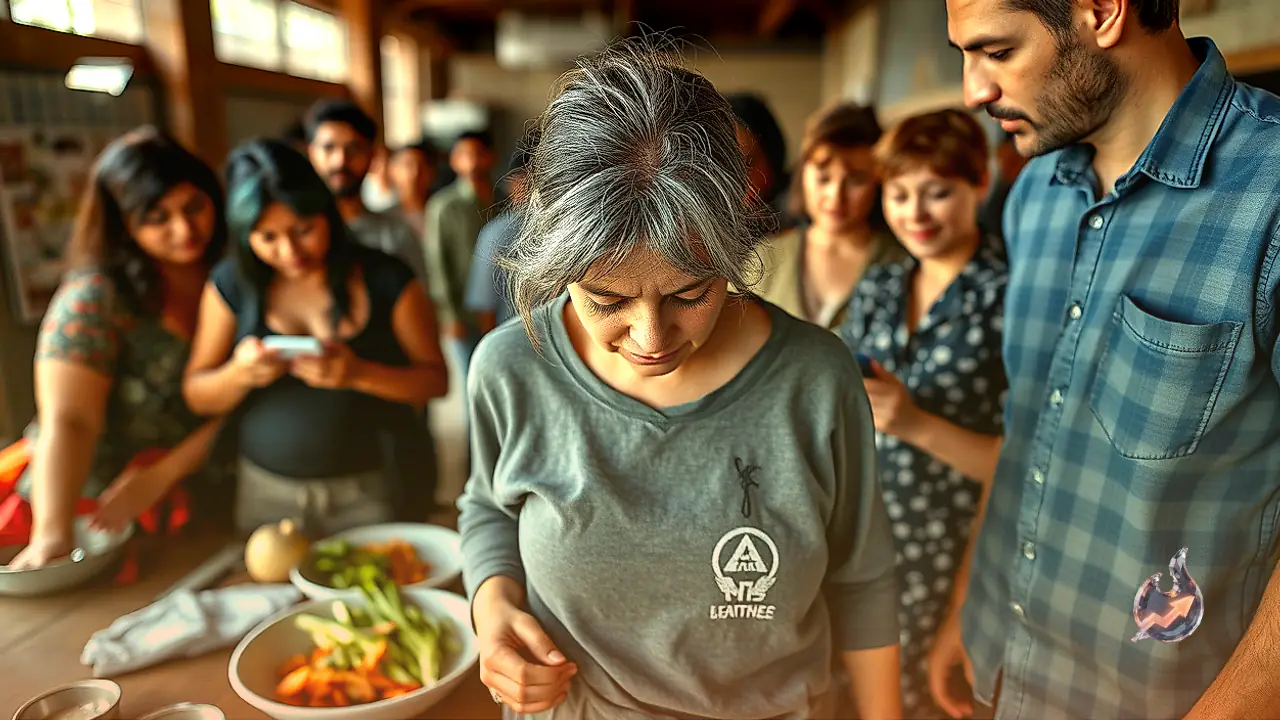
























During cold winter days, most individuals anticipate a sense of warmth and vitality right after a satisfying meal, yet the physical reality often proves surprisingly contrary. Shortly after stepping away from the dining table, a sudden chill can set in, leaving fingers and toes feeling numb and inducing noticeable shivering. While common understanding suggests food fuels metabolic energy and body heat, specific physiological dynamics frequently trigger the opposite sensation. The primary culprits behind this phenomenon involve the internal digestive mechanism, dynamic blood circulation patterns, and the specific nature of the dietary choices consumed.
Blood Flow Redirection Toward the Digestive Tract
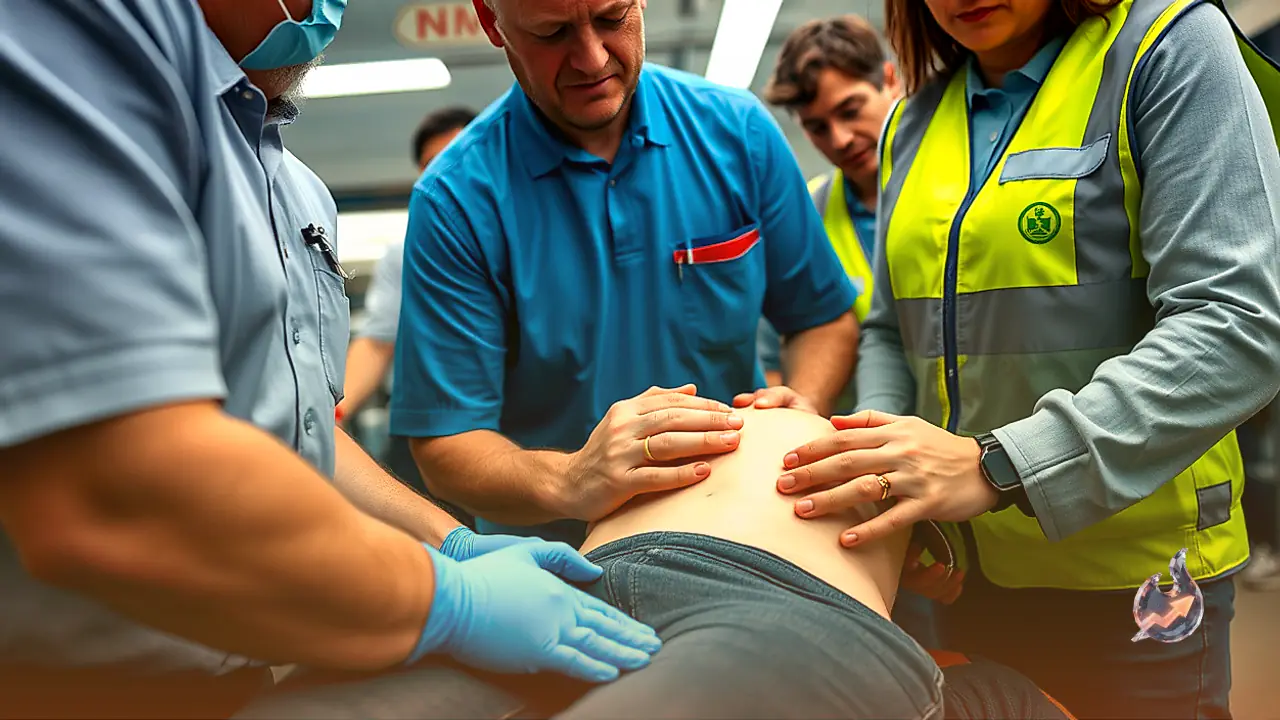
The moment nutrients enter the stomach, the digestive system rapidly shifts into an active state to break down ingested meals and absorb crucial nutrients. To sustain this intensive metabolic workload, the cardiovascular system reroutes a significant volume of circulating blood directly toward the stomach and intestines. Consequently, peripheral zones including the hands, feet, and outer skin layers experience a temporary decline in microcirculation. Because less warm blood circulates through the extremities during this critical phase, external cold temperatures penetrate more acutely, creating an intense feeling of shivering.
Energy Expenditure During Digestion and Calorie Deficits
Processing ingested food requires the human body to burn internal energy reserves. Although the metabolic breakdown of food naturally produces a modest degree of internal heat, consuming meals that are extremely light or deficient in adequate calories fails to supply sufficient thermal energy. When internal energy expenditure surpasses the heat generated by the meal, the human frame struggles to maintain thermal equilibrium, leaving individuals far more vulnerable to ambient chilly surroundings.
Dietary Temperature and Food Quality Influences
The physical temperature and composition of meals play a decisive role in sustaining body heat during freezing conditions. Eating raw salads, chilled refrigerated items, plain curd, or icy beverages can depress internal body temperatures for a temporary period. In stark contrast, nourishing warm vegetable soups, wholesome porridge, ginger-infused tea, and high-protein dietary choices actively stimulate systemic warmth, assisting the physiological core in fending off drops in temperature.
Blood Sugar Fluctuations and Post-Meal Weakness
Certain individuals experience sharp spikes followed by sudden plummets in blood glucose concentrations shortly after finishing a meal. This abrupt glycemic fluctuation often sparks noticeable weakness, lingering lethargy, and a sensation of profound cold throughout the limbs. Such episodes manifest with greater frequency among individuals dealing with diagnosed diabetes or underlying low blood sugar sensitivities.
Practical Steps to Prevent Post-Meal Shivering
Adopting sensible daily adjustments can prevent uncomfortable post-meal chills throughout the winter months
- Prioritize eating freshly cooked, steaming-hot dishes whenever sitting down for meals.
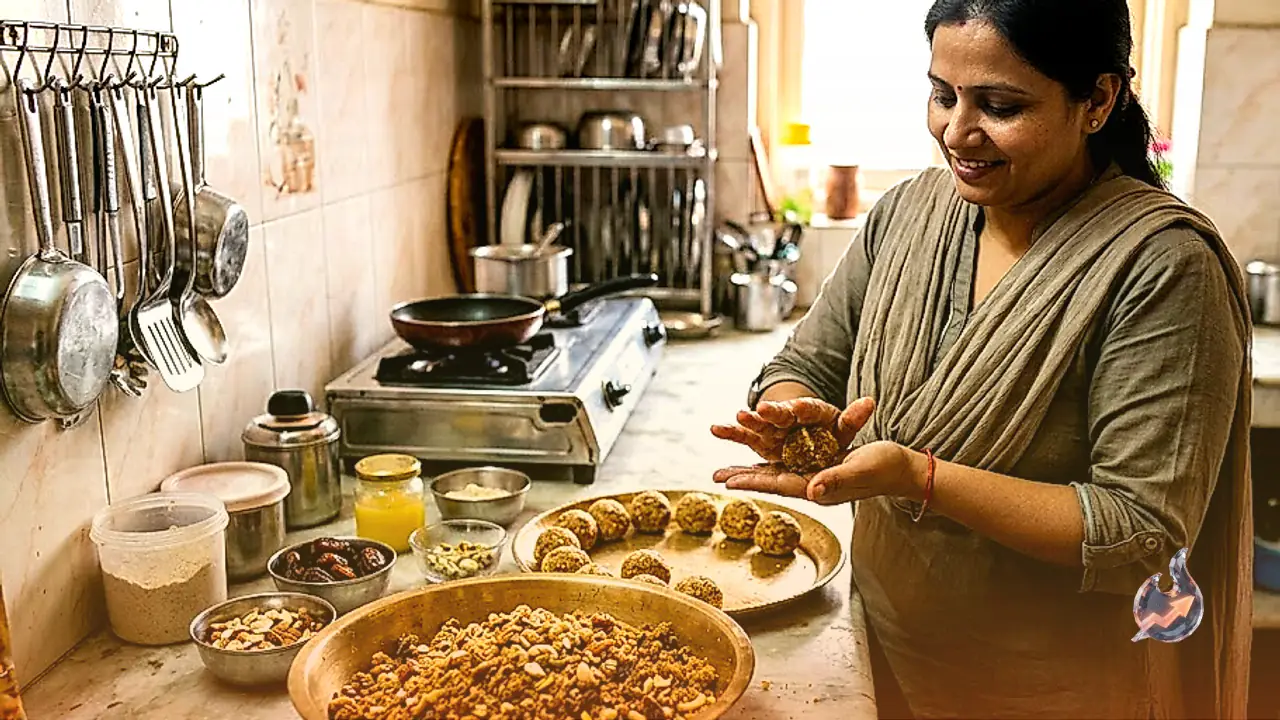
- Incorporate quality protein, nutrient-dense whole grains, and healthy dietary fats into everyday menus.
- Refrain from having chilled beverages, cold packaged foods, or raw refrigerated items during low temperatures.
- Avoid stepping outside into cold breezes immediately after concluding a meal.
- Maintain adequate daily hydration with warm fluids while keeping the body moderately active to sustain blood flow.