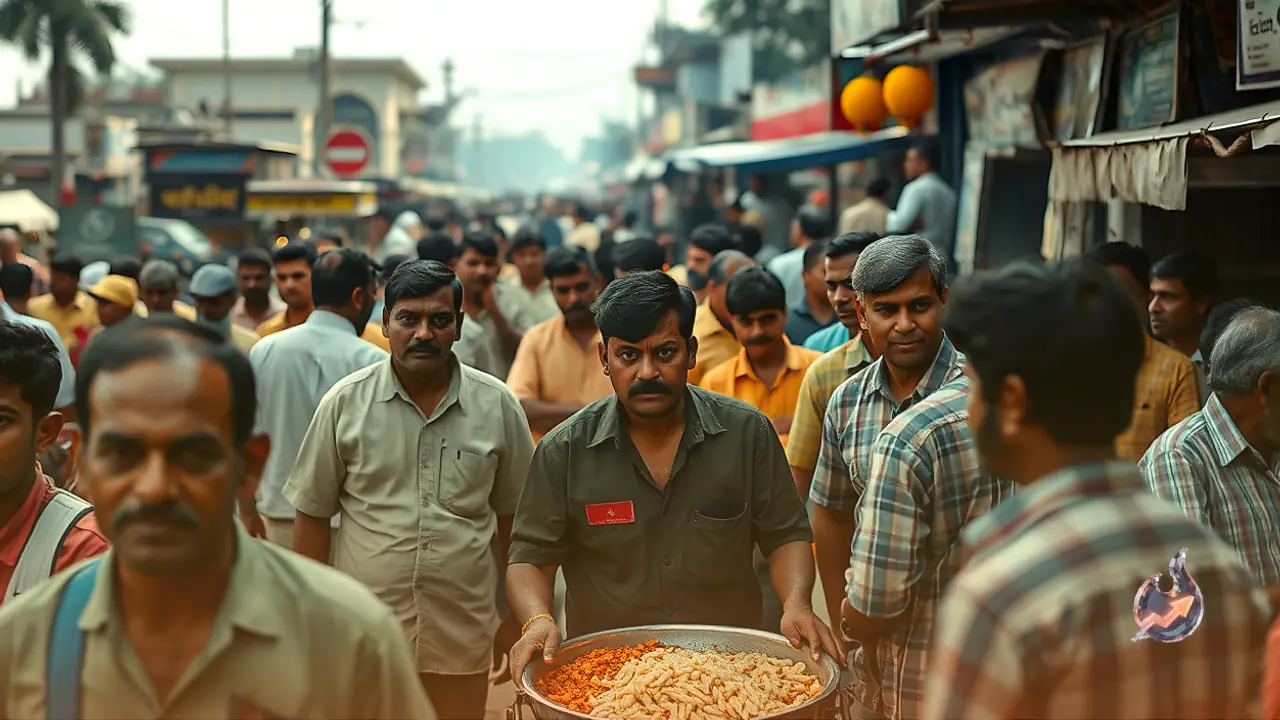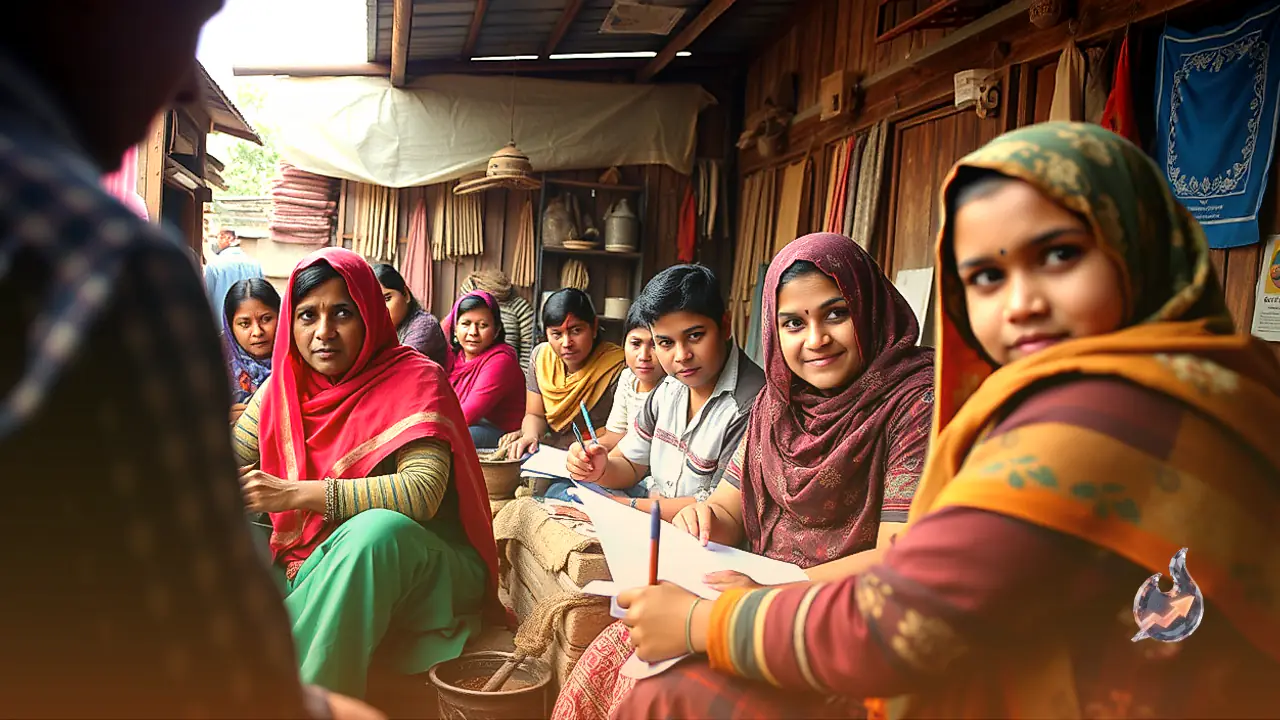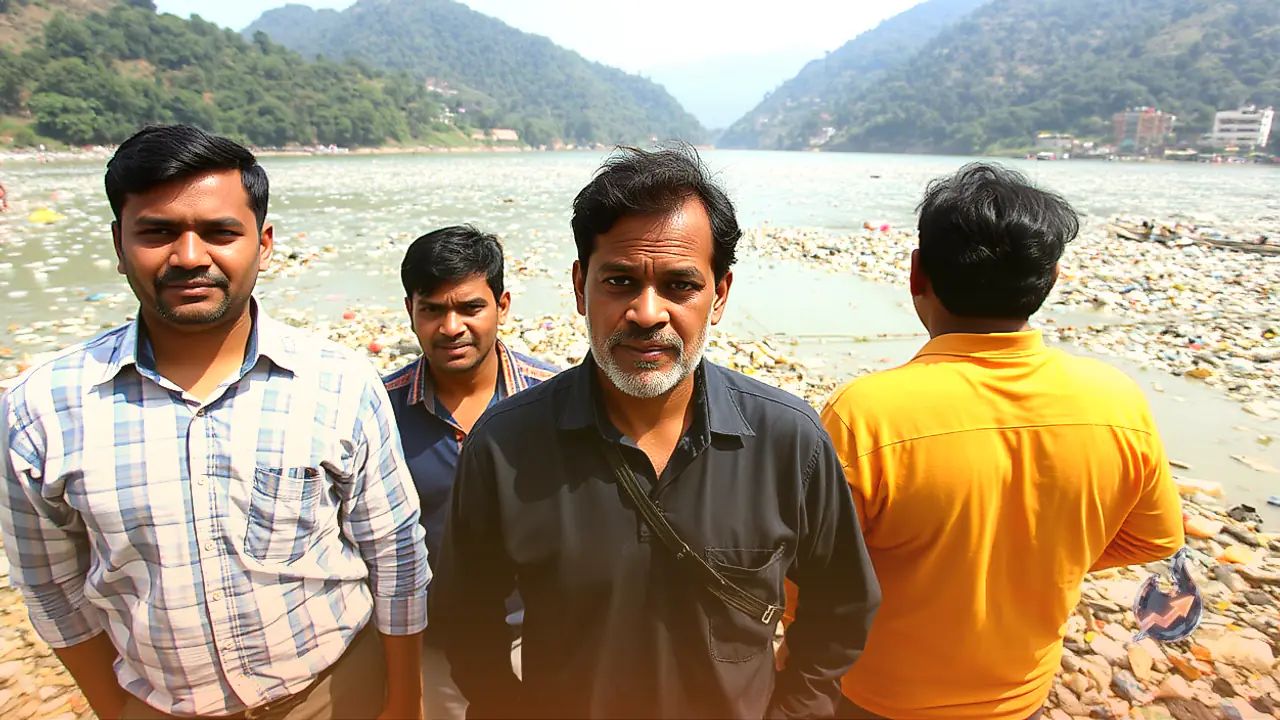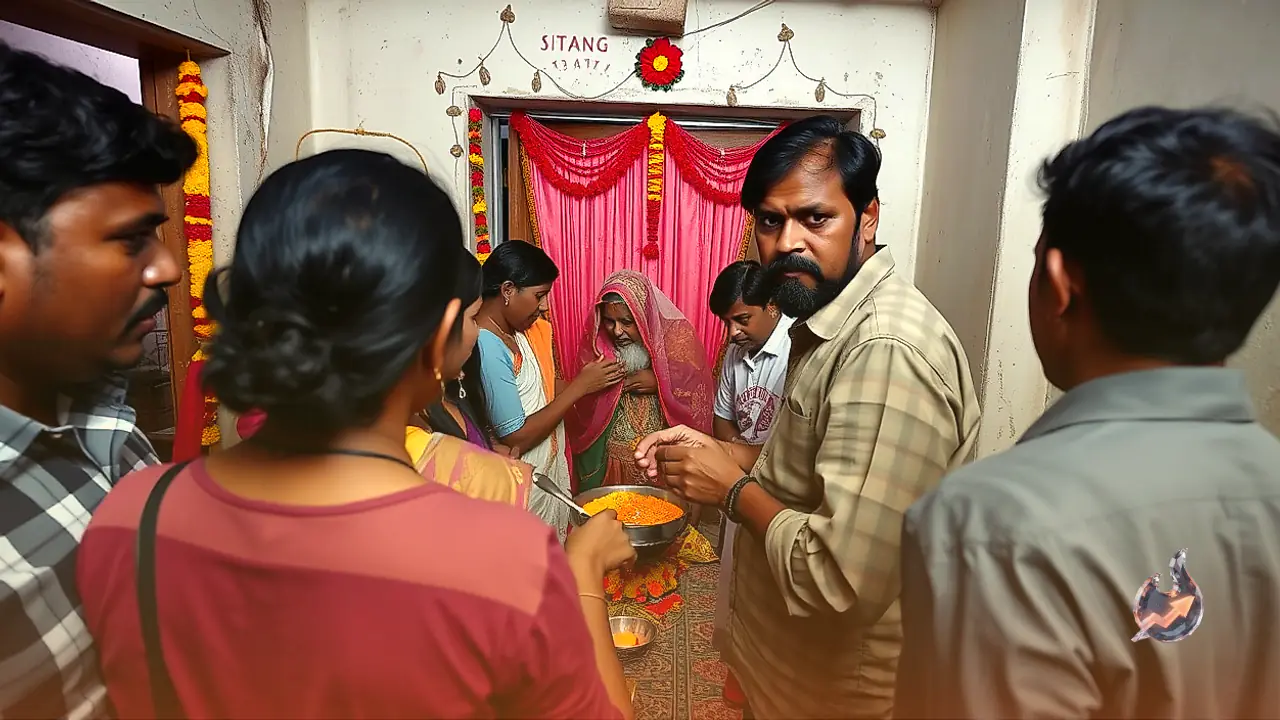

















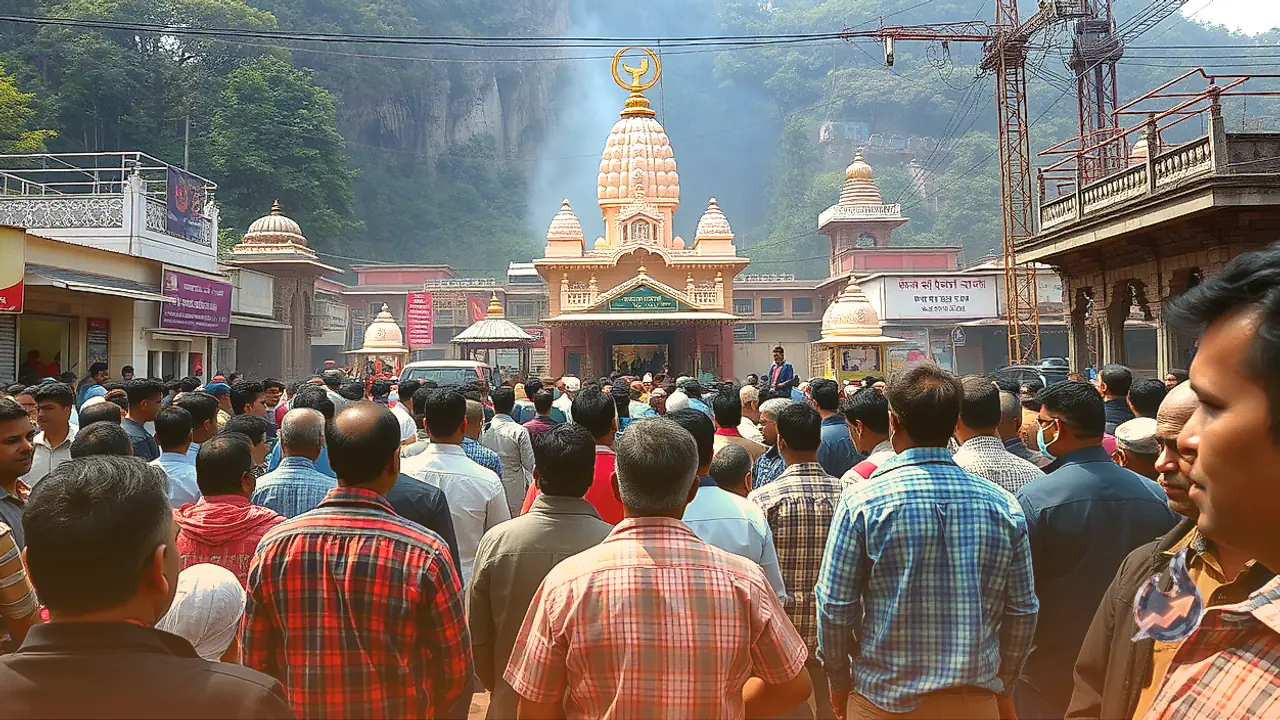

A sharp dispute has erupted over a religious structure in the Ranibagh area of Nainital district in Uttarakhand. Traditionally, people across the country hold a deep fear of Saturn's planetary influence, known as the period of Shani. Devotees routinely perform elaborate rituals, prayers, and charity to appease this planetary deity and avoid misfortune. However, the situation in Ranibagh has taken an unusual turn, where local residents and cultural groups have openly challenged the presence of a Shani shrine, describing it as an unauthorized encroachment on local heritage. What began as verbal friction has now spiraled into scuffles, police action, official complaints, and a brewing legal battle.
Dispute at the Sacred Chitreshila Dham
The conflict centers on the holy Chitreshila Dham, situated along the banks of the Gargi, also known as the Gaula river, in Ranibagh. This pilgrimage site holds immense spiritual significance for the local population and is intimately linked to Mata Jiya, the revered deity associated with the historic Katyuri dynasty. The controversy was triggered by the construction of a Shani temple within the sacred premises. Accusations of land encroachment have pitted a local organization named Pahari Army directly against the Shani Temple Committee. Simmering since July, this stand-off has now intensified into a major cultural and administrative crisis.
Allegations of Encroachment on Sacred Rock and Cave
Harish Rawat, representing the Pahari Army group, contends that individuals from outside the local tradition constructed the Shani temple on land dedicated to Mata Jiya, the prime deity of the Katyuris. The organization argues that the builders interfered with the sacred landscape connecting the historic Jiya Rani cave and the holy flared rock located along the edge of the Gargi river below. According to the protestors, the large Shani shrine was erected in the open space between the cave and the riverbed rock. This construction has obstructed the direct view of the holy stone from the cave, an alignment central to traditional worship. Protesters maintain that this obstruction has hurt the religious sentiments of the Katyuri community and altered the sanctified layout of the heritage site.
Alteration of Chitreshwar Temple and Police Intervention
The agitators further allege that the promoters of the Shani temple meddled with the foundation and dome of the ancient Chitreshwar Mahadev temple standing within the same complex. Tensions peaked on August 29, 2026, when members of the Pahari Army staged an aggressive demonstration at the site. The protest led to direct friction, prompting law enforcement to step in. Police subsequently detained several demonstrators and registered a formal First Information Report to restore order. The area continues to remain under close administrative observation as tensions persist between the two sides.
Local Mountain Traditions Versus New Additions
Beyond the physical structure, the row highlights a broader cultural debate regarding religious practices in the hills. Cultural observers note that the hills of Uttarakhand do not have a historical tradition of establishing standalone Shani temples. The indigenous religious framework of the region has traditionally centered on local folk deities, forest spirits, and regional protectors. Residents from Haldwani reportedly spearheaded the construction of the Shani shrine at Chitreshila Dham over the past few years, an addition that many locals view as contrary to regional customs. Local residents argue that in any traditional hill shrine, the primary presiding deity must retain visual and architectural prominence, whereas the new structure overshadows the original temple complex. An initial administrative inquiry reportedly categorized the Shani temple structure as unauthorized. Meanwhile, the Shani Temple Committee continues to reject all allegations of land encroachment.
Historical Significance Recorded in Academic Texts
The deep-rooted historical and spiritual heritage of Chitreshila Dham is well-documented by noted historian Prof. Ajay Rawat in his book on the cultural history of Uttarakhand. Prof. Ajay Rawat notes that Lord Shiva is intimately connected with Ranibagh, traditionally recognized as the gateway to Kurmanchal, through accounts of his divine manifestation. The locality borders Kathgodam, where the broad-gauge railway line originating from the northern plains reaches its terminus. The name Ranibagh itself traces its origin to an orchard established by Queen Jiyarani of the Katyuri dynasty, which once held sway over the entire expanse of Uttarakhand.
Legacy of Chitreshwar Mahadev and Goswami Priests
According to historical records, the towering Chitreshwar Mahadev temple stands at the location as an enduring canopy of Lord Shiva's divine aura. The management and worship rituals at this ancient shrine have long been maintained by the Goswami community. These priests originally relocated to the site in 1850 from the Kamleshwar monastery in Srinagar, Garhwal. Premgiri Goswami, the temple priest, maintains that the shrine has existed since mythological antiquity, even though written records regarding the precise year of its foundation are unavailable. Lord Shiva is principally venerated here in his form as Yogeshwar. The distinctive stone architecture and the ancient Shiva lingam present at the site corroborate its antique roots. As the dispute remains unresolved, the community awaits the conclusive findings of the official administrative probe.