























Suman Kumar Mishra, a resident of Dhanbad in Jharkhand, spent 15 years enduring debilitating hip pain that severely restricted his day-to-day mobility. Walking had turned into an ordeal, prompting him to seek medical opinions across major healthcare centers from Delhi to Kolkata. Despite visiting numerous hospitals over the years, a lasting remedy remained elusive. His long medical ordeal finally concluded in Patna, where orthopedic surgeons performed a robotic hip replacement. The precision of the procedure enabled Mishra to stand on his own feet merely 12 hours after leaving the operating theater and comfortably climb stairs by the second post-operative day.
Years of Medical Consultations Across Cities
The prolonged hip condition had drastically affected Mishra's quality of life. In his search for relief, he consulted medical professionals and underwent treatment evaluations at healthcare facilities in Kolkata, Delhi, and Bokaro. Specialists at every center reached the same diagnosis after running diagnostic scans: a total hip replacement was essential. Seeking an advanced and reliable solution, he reached out via video consultation to orthopedic surgeon Dr. Ashish Singh at the AIOR Super Speciality Unit in Patna. After an initial virtual evaluation of his reports, Mishra traveled to Patna for comprehensive in-person consultations, and his surgery was performed on the 6th.
Robotic Precision and Dual Mobility Cup Technology
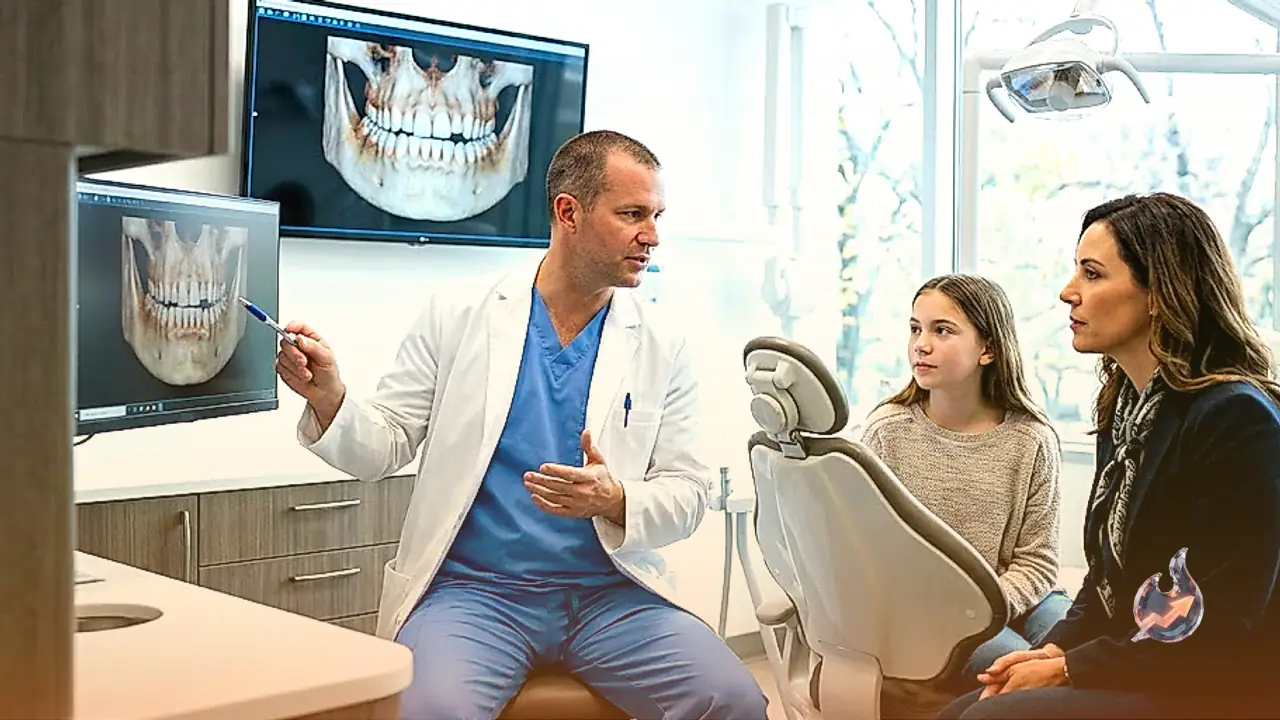
Dr. Ashish Singh detailed the surgical approach, noting that Mishra's care plan began with an extensive review of his clinical records and video consultation data. Upon the patient's arrival at the hospital, the surgical team provided detailed explanations of the procedure and post-operative recovery roadmap. The hip replacement was executed using the Stryker Mako robotic platform, incorporating an advanced dual mobility cup implant.
Robotic joint replacement offers exceptional accuracy in component positioning, substantially minimizing surgical trauma to surrounding tissues. Patients benefit from lower pain levels and accelerated healing times. In Mishra's case, the surgical team mobilized him to stand approximately 12 hours following the operation. By his second day of recovery, he was walking unaided and ascending stairs with ease.
Understanding Avascular Necrosis in Younger Patients
Hip joint degeneration is not confined to elderly populations, Dr. Singh observed, emphasizing that younger individuals can also develop severe joint breakdown. Mishra was diagnosed with avascular necrosis (AVN), a condition where the blood supply to the femoral head—the spherical ball of the hip joint—becomes critically compromised. Deprived of oxygenated blood, the bone tissue progressively weakens, collapses, and leads to severe arthritis.
Clinical evidence links avascular necrosis to several potential triggers, including prolonged or improper steroid use, heavy alcohol consumption, sickle cell disease, and traumatic joint injury. Interestingly, Mishra had no history of alcohol consumption and had never taken steroid medications, yet he still developed severe AVN. Medical experts point out that in a noticeable proportion of cases, the exact root cause of the vascular blockage remains idiopathic or unidentifiable.
Post-Surgical Care and Long-Term Implant Durability
The advanced implant utilized in the surgery meets global benchmarks and is designed with an estimated longevity of 35 years. However, preserving the integrity of the replaced joint requires adherence to specific post-surgical precautions. Dr. Singh emphasized that patients must strictly follow medical advice, particularly avoiding sitting directly on the floor and refraining from sitting cross-legged to protect the implant from extreme angular stress.
Mishra's surgery leveraged Stryker Mako technology, recognized globally as the premier CT-guided robotic platform for orthopedic procedures. This smart robotic framework simplifies complex joint reconstructions, ensuring millimeter-level precision. The technology is widely utilized across leading surgical institutes in the United States and other developed countries. Dr. Singh noted that over the past six years, he has successfully completed more than 3,500 robotic joint replacement surgeries, demonstrating how robotic intervention has transformed mobility outcomes for chronic joint patients.