






















High blood pressure, or hypertension, is a medical condition where early warning signs are frequently absent. Because of this, many people remain unaware for long stretches that their blood pressure levels are running higher than normal. Unchecked and persistently elevated blood pressure can cause severe damage to vital organs throughout the body, including the heart, brain, and kidneys. Therefore, keeping it under control through regular medical screenings and a balanced lifestyle is essential.
The Importance of Regular Monitoring
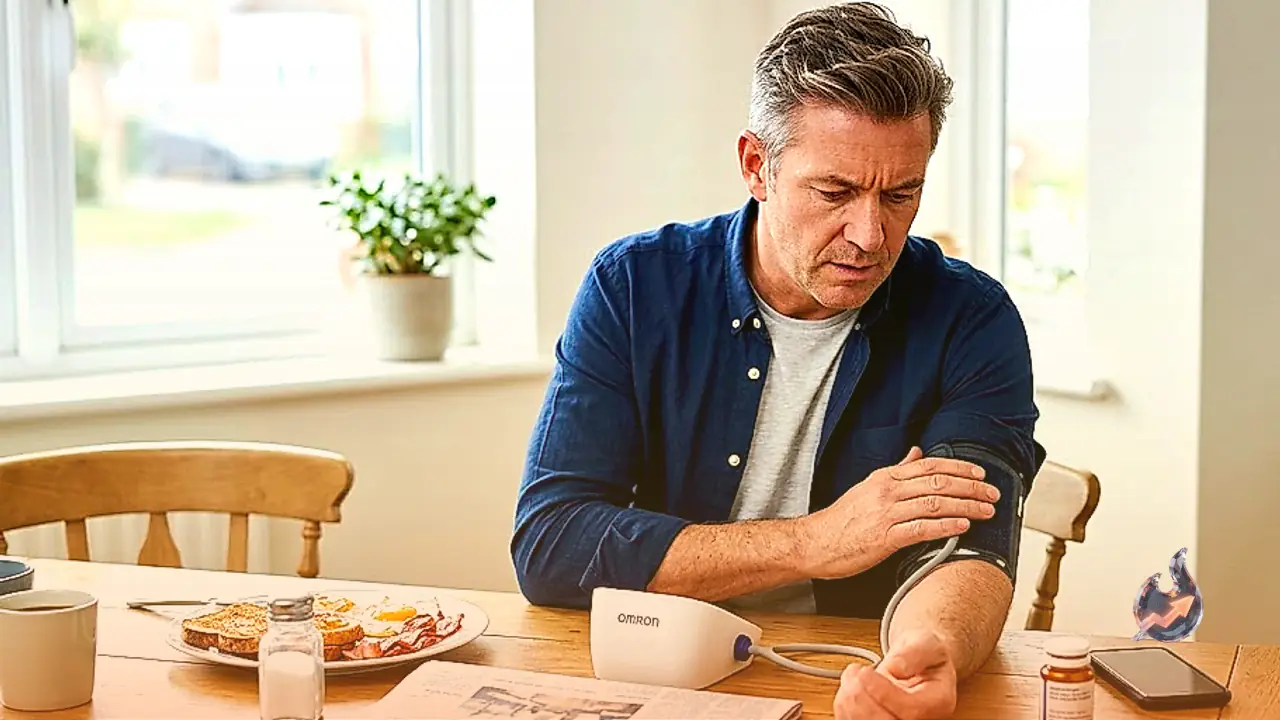
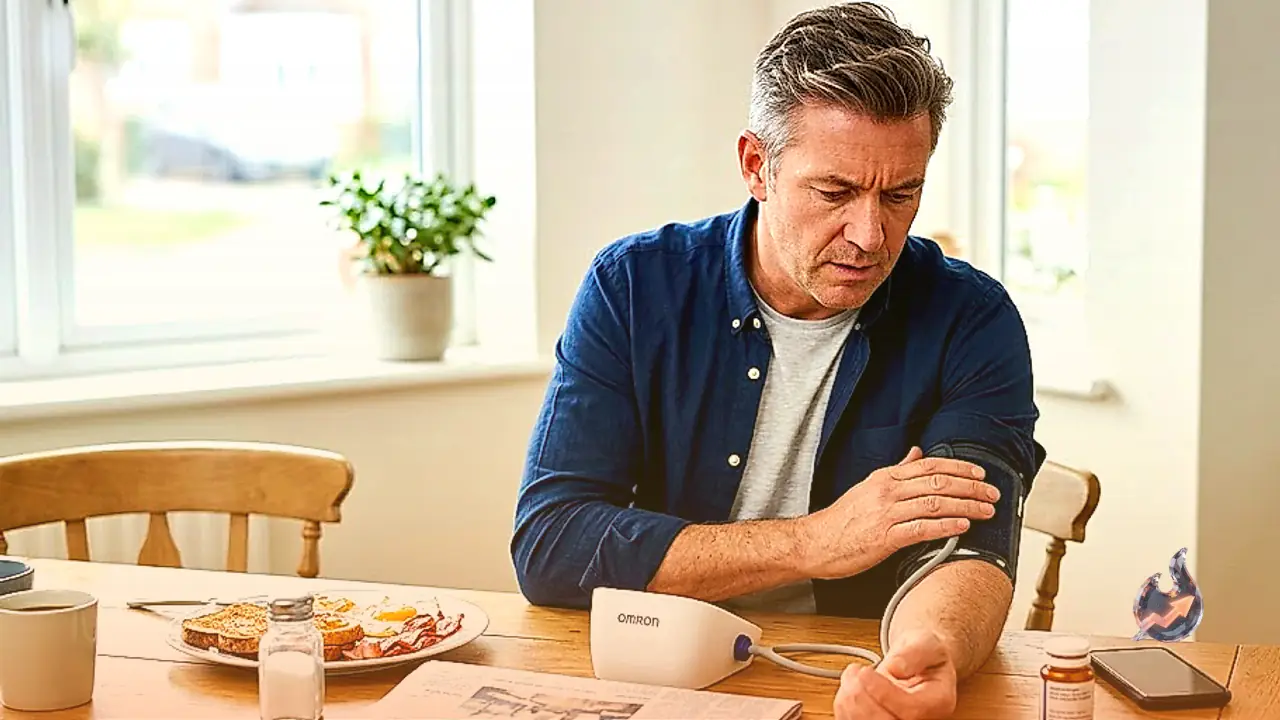
The most dependable way to detect high blood pressure is through direct measurement, as most individuals experience no obvious symptoms. If you have a prior diagnosis of hypertension, you should continue tracking your readings at home or at a local health clinic following medical guidance. Consistent tracking helps determine whether your blood pressure remains within a healthy and controlled range.
Incorporating Physical Activity
Instead of remaining sedentary for long stretches, try to increase your daily physical activity levels. Brisk walking, cycling, swimming, or engaging in other age-appropriate exercises can be beneficial. According to health authorities, adults should aim for at least 150 minutes of moderate-intensity physical activity every week as a solid benchmark for cardiovascular wellness.
Managing Sodium and Dietary Salt
Excessive consumption of sodium or table salt can cause blood pressure levels to spike. Therefore, reduce the habit of sprinkling extra salt onto prepared meals and limit the intake of highly processed or packaged foods loaded with sodium. Integrating fresh fruits, vegetables, whole grains, and other nutrient-dense foods into your diet is a much wiser alternative.
Avoiding Tobacco and Alcohol
Tobacco use damages blood vessels and harms overall heart health. Smoking elevates blood pressure and increases susceptibility to various cardiovascular diseases, making the avoidance of cigarettes, bidis, and other tobacco items a core component of hypertension management. Heavy alcohol consumption is similarly linked to an increased risk of rising blood pressure. If you consume alcohol, cutting back is strongly advised by health organizations to prevent complications.
Adhering to Prescribed Medications
If a doctor has prescribed medication for your blood pressure, it should never be altered or stopped on your own initiative. Many people discontinue their medication once their readings normalize, but such decisions must always be discussed with a qualified physician first. Taking medications precisely as directed plays a critical role in managing chronic hypertension over the long term.
Stress Management and Warning Signs
Beyond these steps, getting adequate sleep, effectively managing daily stress, and maintaining a healthy body weight contribute greatly to blood pressure control. If your readings remain consistently high and are accompanied by warning signs such as chest pain, shortness of breath, severe headaches, or sudden vision changes, seek immediate medical assistance.