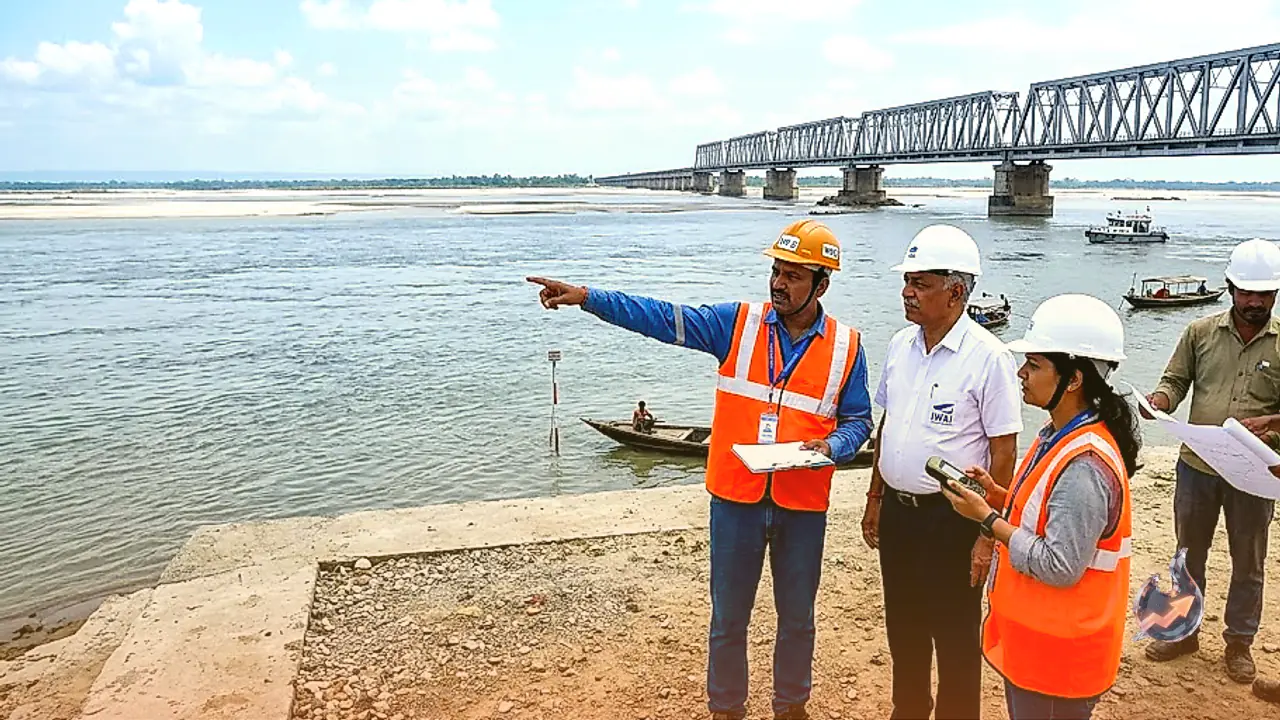




















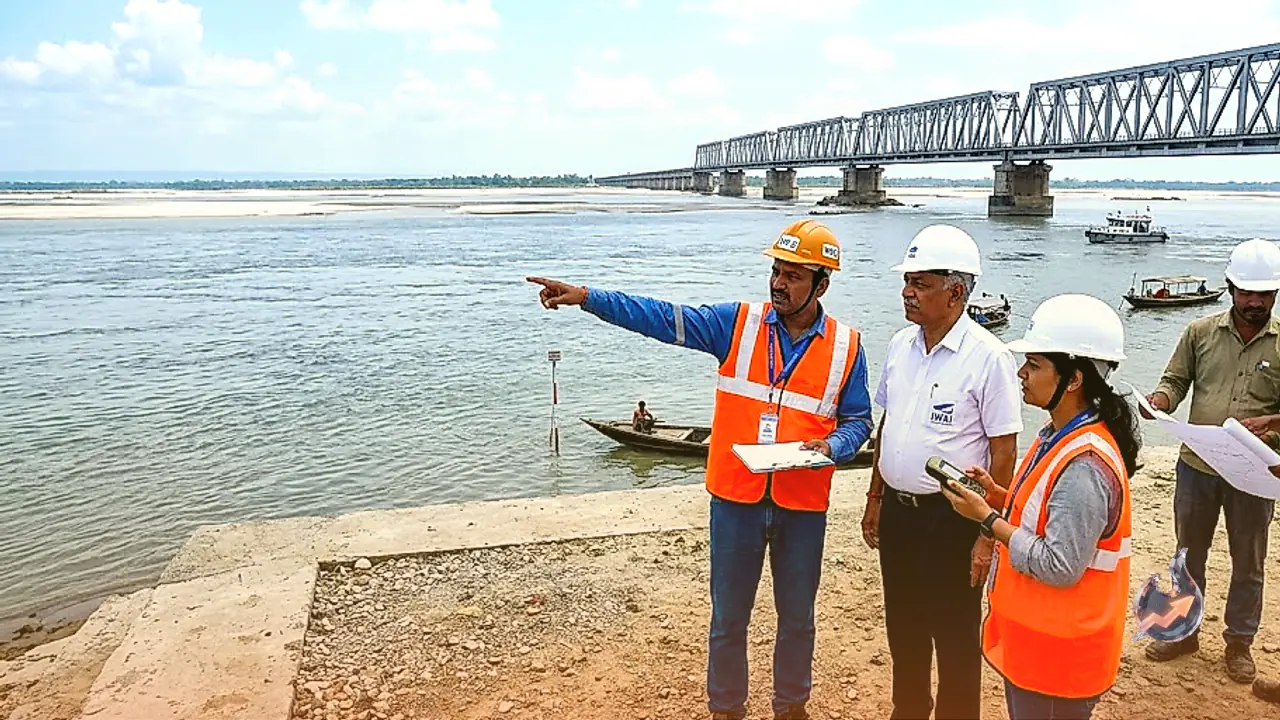

Maritime and engineering authorities have conducted a comprehensive joint field inspection at Bogibeel in Assam’s Dibrugarh district to evaluate the site earmarked for an innovative riverine lighthouse. The review brought together officials from the Inland Waterways Authority of India, the Directorate General of Lighthouses and Lightships, and the designated engineering, procurement, and construction contractor. The team focused on ground-level technical alignment and procedural coordination required to advance the landmark project.
Bolstering Navigation on National Waterway-2
The primary purpose of the inspection was to assess infrastructural prerequisites and establish seamless collaboration among executing partners. Once operational, the facility is designed to significantly enhance river navigation safety for cargo vessels, passenger ferries, and local rivercraft traversing the Brahmaputra River. This inland river system serves as National Waterway-2, an increasingly critical transit route for trade and public transit across the northeastern territory.
This initiative represents the first time riverine lighthouses are being erected along an inland waterway system in India. Union Minister of Ports, Shipping and Waterways Sarbananda Sonowal formally laid the foundation stones for four such river lighthouses along the Brahmaputra riverbanks in March.
Technical Specifications and Strategic Locations
Engineered with sustainability in mind, each 20-metre-tall tower will run completely on solar power. Functionally, every unit will deliver a geographical view range of 14 nautical miles and cast a luminous navigation beam spanning between 8 and 10 nautical miles, granting dependable guidance to nighttime and low-visibility maritime traffic.
The network covers four designated riverfront points across upper and lower Assam. Along the south bank, facilities are planned at Bogibeel in Dibrugarh, Pandu in Kamrup Metropolitan district, and Silghat within Nagaon district. Biswanath Ghat in Biswanath district stands as the sole strategic location positioned along the river’s north bank.
Integrating Maritime Safety with Regional Tourism
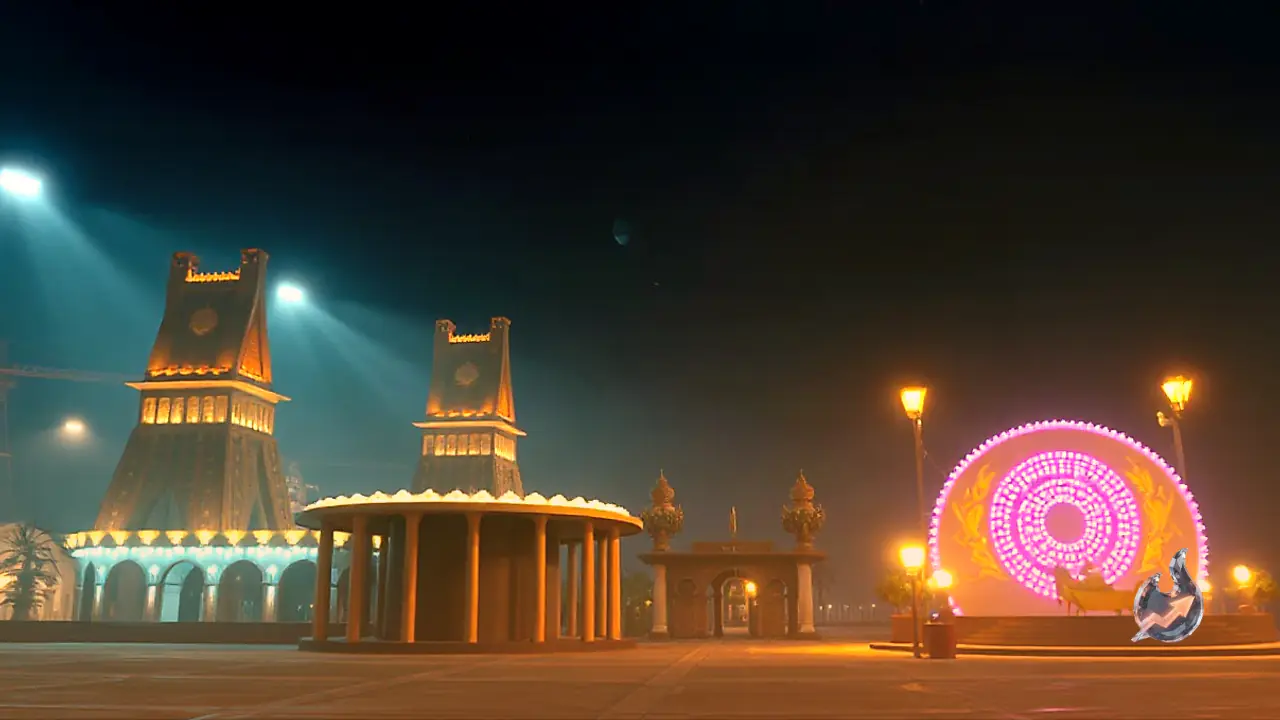
Beyond their operational mandate as navigational aids, the sites are slated to become lively public recreation and cultural destinations. Master plans for each river lighthouse precinct incorporate dedicated museum exhibits, open-air amphitheaters, dining cafeterias, children’s play amenities, souvenir stores, and carefully landscaped community promenades. This dual design will elevate these riverfront assets into prominent tourist landmarks while advancing local economic activity.