



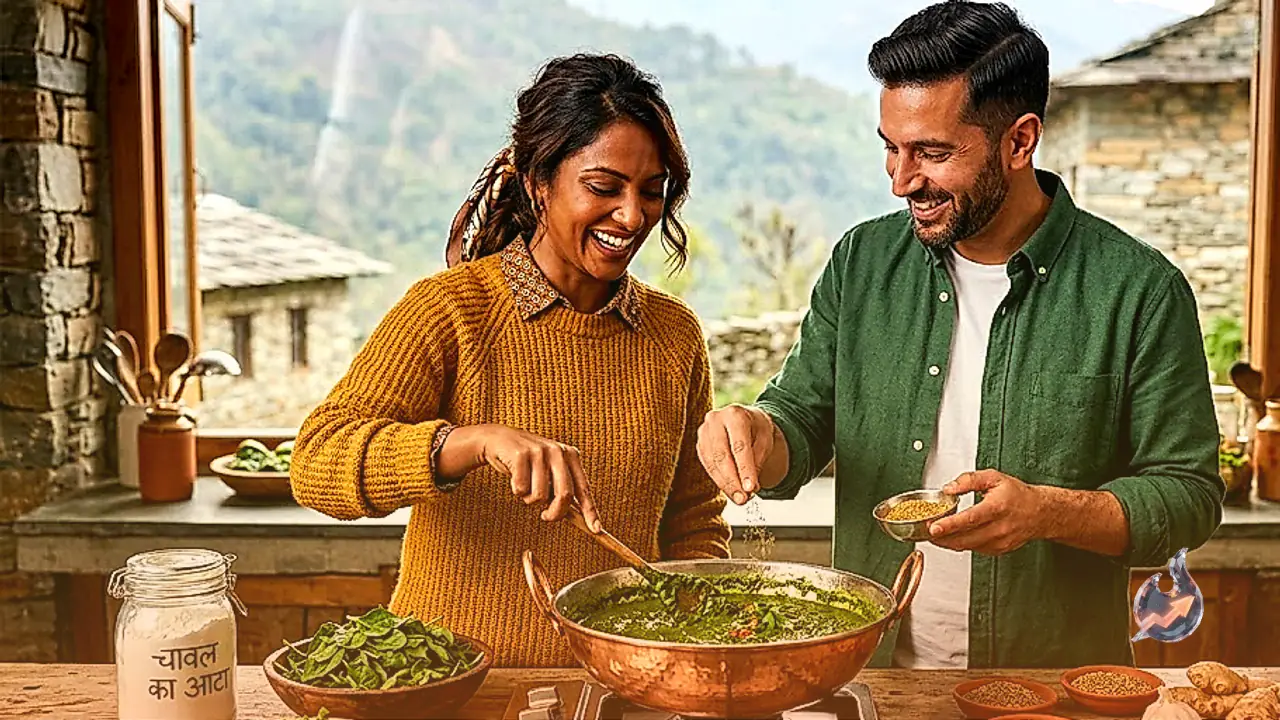




















Mentioning hemp often brings thoughts of intoxication to many minds, yet in the mountainous terrain of Uttarakhand, its application extends far beyond that. Local households in the hills have long incorporated hemp seeds into their daily diets, creating traditional chutneys and specialized salts from them. In numerous regions, these seeds are also blended into vegetable gravies to enhance flavor. Especially during the chilly winter months, dishes prepared with hemp seeds enjoy high popularity among residents. This preference is driven not merely by their distinct taste, but equally by the rich array of nutritional elements packed inside them.
Nutrient-Dense Tiny Seeds
During a discussion, Ayush practitioner Dr. Rajkumar explained that hemp seeds may be small in size, yet they carry a wealth of essential nutrients. These include proteins, dietary fibers, beneficial fats, and several vital minerals. Consequently, integrating them into meals significantly boosts the nutritional value of the food. Hemp seeds also contain omega-3 and omega-6 fatty acids, which represent crucial fats necessary for the body and play a supportive role in normal physical functions. Since the human body cannot independently manufacture these essential fatty acids in sufficient quantities, acquiring them through dietary intake remains necessary.
Supporting Muscle Maintenance and Digestion
These seeds contain a commendable amount of protein, which is vital for the human system. Protein assists greatly in maintaining muscle mass and repairing everyday wear and tear within the body. Therefore, adding hemp seeds in modest quantities alongside lentils, vegetables, or other meals enriches the diet with extra protein content. Whole hemp seeds likewise supply dietary fiber, a component widely recognized as essential for stomach health and proper digestion.
Mineral Wealth and Traditional Culinary Methods
Beyond proteins and fibers, hemp seeds harbor several important minerals such as magnesium, phosphorus, iron, and zinc. They also yield antioxidants like vitamin E, which serve necessary functions across various physiological processes. In the mountain regions, utilizing hemp seeds extends well past preparing chutneys and salts; numerous families blend them directly into vegetable dishes. This process involves lightly roasting the hemp seeds before grinding them down, after which they are mixed with spices into the vegetable gravy. Incorporating hemp seeds introduces a unique flavor and a slightly textured feel to the meal, while simultaneously infusing proteins, fibers, and healthy fats into the diet.