





















The Gamhar tree, known scientifically as Gmelina arborea, is a prominent botanical species found across the rural landscape and agricultural fields of Gonda district in Uttar Pradesh. Recognized locally by names such as Gambhari or Gamhari, this fast-growing tree is widely valued not only for its durable timber used in construction and woodworking but also for its extensive applications in traditional Ayurvedic medicine. For generations, practitioners of indigenous healing systems have utilized the bark, roots, leaves, and fruits of the Gamhar tree to address a broad spectrum of human ailments and maintain overall physical wellness.
Botanical Profile and Identification of the Gamhar Tree
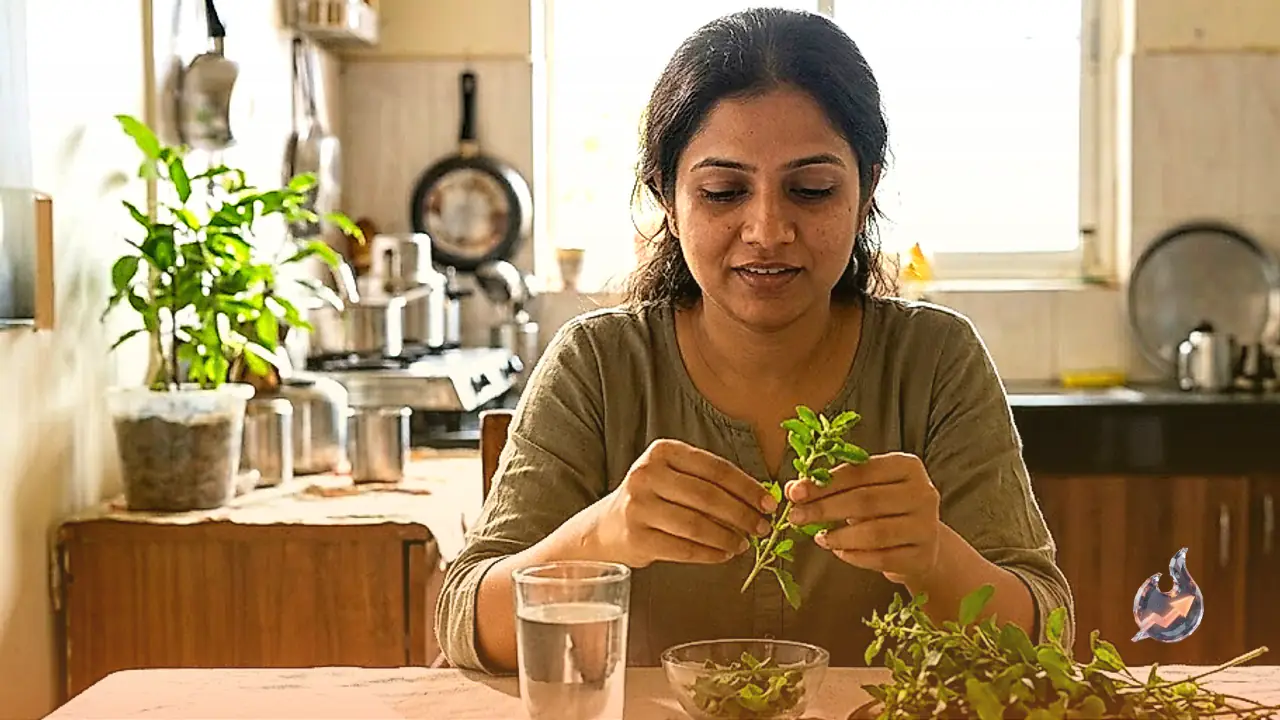
Gamhar is an economically and medicinally significant tree species that thrives rapidly in tropical and subtropical climates. In the village areas of Gonda, it grows abundantly along farm boundaries and forest patches. According to botanical studies on Gmelina arborea, the plant contains several active phytochemical compounds that contribute to its therapeutic potential. In classical Ayurvedic texts, various parts of the tree are classified as natural remedies capable of balancing internal bodily humors and promoting holistic vitality when prepared into decoctions, powders, or topical pastes.
Digestive Health and Gastrointestinal Relief
According to Ayurvedic practitioner Vaidya Vishnu Dutt Prajapati, the Gamhar tree has a long history of use in treating various gastrointestinal disturbances. Traditional formulations derived from its bark and roots are frequently prescribed to manage chronic constipation, abdominal gas, indigestion, stomach aches, and a persistent loss of appetite. The natural compounds present within the tree are believed to help regulate bowel motility, stimulate digestive secretions, and restore normal function to the digestive tract, thereby enhancing nutrient absorption and gut comfort.
Alleviating Joint Pain and Body Inflammation
The anti-inflammatory properties of Gamhar make it a key botanical element in treating musculoskeletal disorders. In traditional healing practices, the roots and bark of the tree are processed into herbal applications to soothe body swelling, joint stiffness, and arthritis-related pain. These remedies help reduce localized swelling in affected joints. However, Vaidya Vishnu Dutt Prajapati emphasizes that individuals suffering from prolonged joint discomfort, chronic arthritis, or severe mobility constraints must seek a thorough medical evaluation from a qualified physician rather than relying solely on traditional remedies.
Combatting Physical Weakness and Fatigue
In Ayurvedic traditions, Gamhar is categorized as a restorative and nourishing herb that aids in rebuilding physical stamina. Its traditional preparations are often recommended for individuals suffering from generalized debility, lethargy, and chronic fatigue. The botanical extracts are thought to enhance energy metabolism and support overall bodily strength. Nevertheless, health experts point out that continuous fatigue can stem from underlying medical conditions such as anemia, essential nutritional deficiencies, sleep deprivation, or metabolic disorders, which require proper diagnostic testing.
Managing Fever, Restlessness, and Bleeding Conditions
Traditional medicinal lore also documents the application of Gamhar preparations in managing fevers and calming physical restlessness. Furthermore, the plant is referenced in historical remedies for controlling abnormal hemorrhaging, including epistaxis (nosebleeds) and excessive menstrual bleeding in women. While these traditional applications have been passed down through generations, frequent nosebleeds or heavy menstrual flow can be symptoms of serious underlying vascular or hormonal conditions that demand immediate clinical diagnosis and medical intervention.
Medical Consultation and Necessary Safety Guidelines
While the therapeutic claims associated with Gamhar are rooted in centuries of traditional Ayurvedic knowledge and supported by preliminary scientific research, herbal remedies should never replace modern medical treatments for acute or severe illnesses. Anyone considering the therapeutic use of Gamhar must consult a licensed Ayurvedic physician or medical doctor first. A medical expert can evaluate an individual's age, complete medical history, and specific symptoms to determine the appropriate dosage, form, and administration method, ensuring safe and effective usage.