

















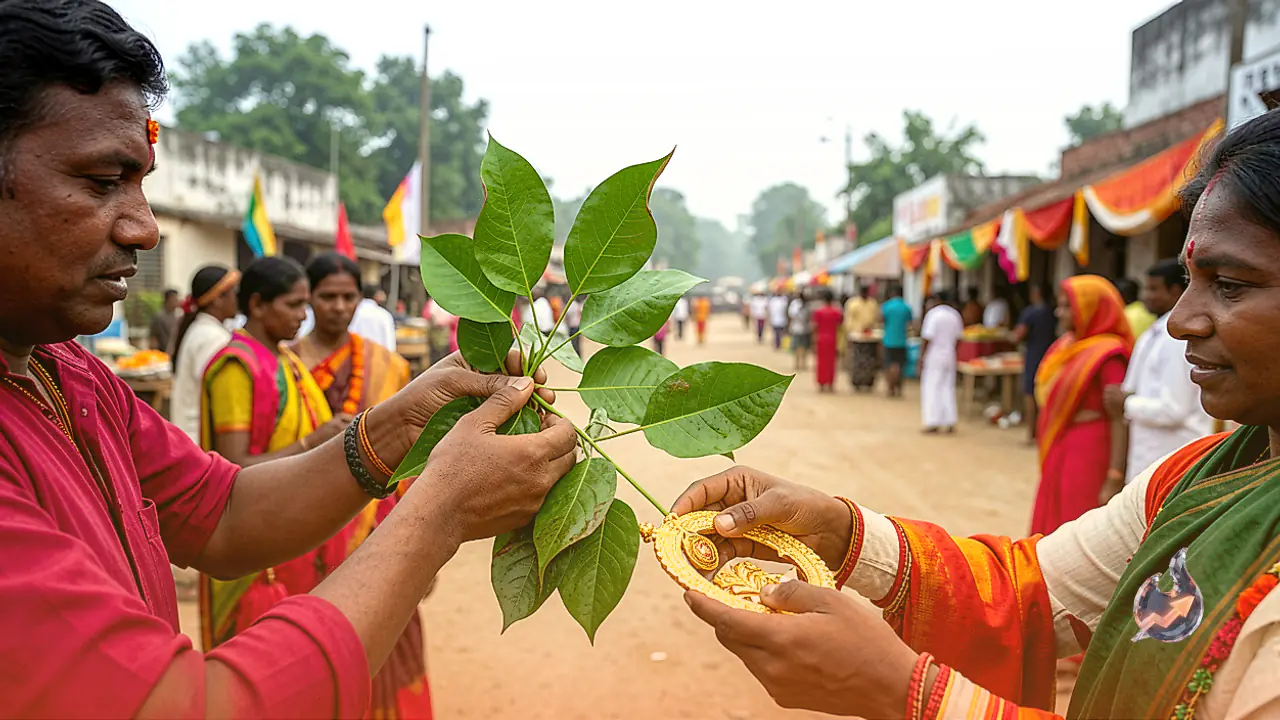

Festivals across India are not merely restricted to worship, celebrations, and community gatherings, but are deeply intertwined with ancient traditions and ecological reverence. Vijayadashami serves as a prime illustration of this cultural depth. While the occasion features the burning of Ravana effigies to symbolise the triumph of righteousness over evil, regions including Maharashtra also observe a unique custom where people present kachnar leaves to one another as a token of gold.
Under this traditional practice, individuals treat kachnar foliage as a metaphorical representation of gold, distributing them among family members, friends, and relatives. It is widely believed that partaking in this ritual invites prosperity, abundance, and lifelong happiness into the household. However, the significance of kachnar extends far beyond this social custom, as Ayurvedic texts document various parts of this tree for their traditional medicinal applications.
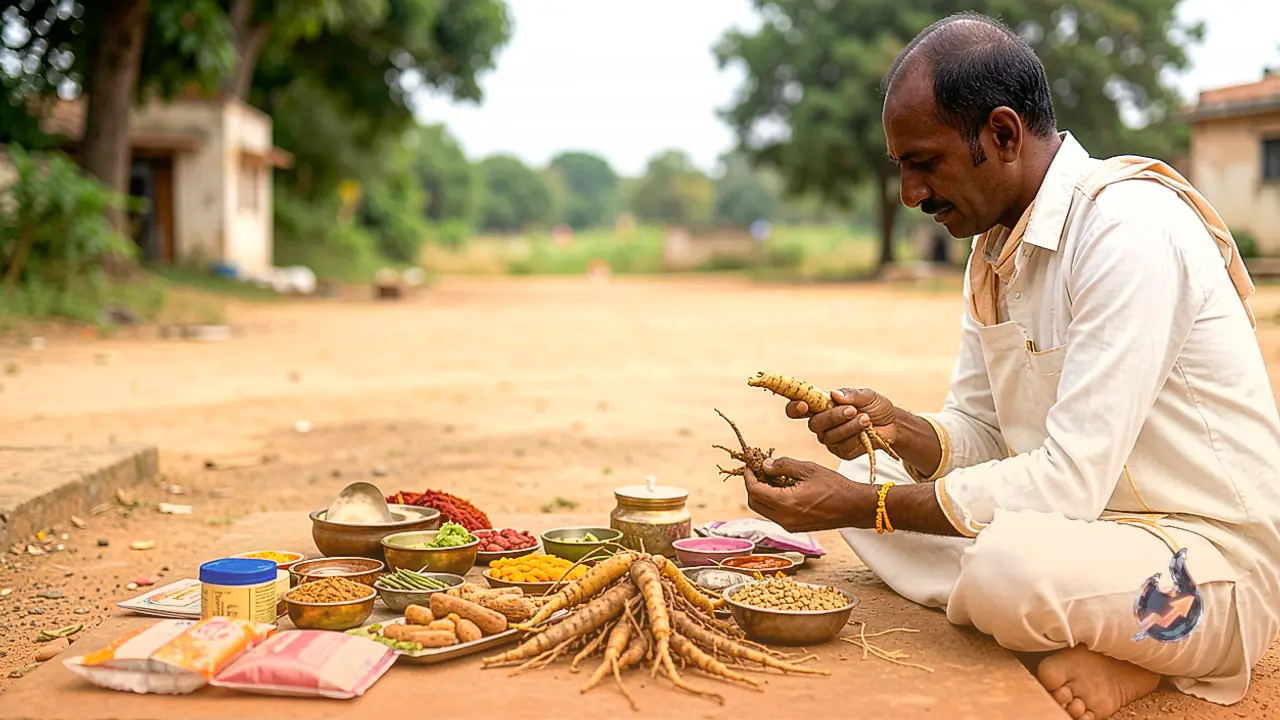
The traditional Ayurvedic formulation known as kachnar guggulu is prepared directly from the bark of the kachnar tree. Within traditional practices, it has historically been utilized to address conditions involving glandular swellings and lump-related complications.
Due to its inherent astringent properties, kachnar has also found traditional application in managing certain skin-related ailments. Nonetheless, it would be incorrect to assume that kachnar alone can completely cure all dermatological issues such as acne, ringworm, itching, or boils.
Certain components of kachnar have similarly been deployed in traditional medicine to alleviate inflammation and digestion-related disorders. Historical references also detail the preparation of herbal decoctions derived from its flowers and bark.
Important Precautions When Consuming Kachnar
Although kachnar functions as a traditional medicinal plant, it should not be misconstrued as a universal cure for every medical condition. Patients dealing with polycystic ovary syndrome, PCOD, cysts, hemorrhoids, or intestinal ulcers must not rely upon it as a standalone therapeutic alternative. Consulting a qualified medical professional remains essential in such circumstances. Furthermore, pregnant women, nursing mothers, and individuals undergoing regular medication regimens should strictly avoid consuming it without prior expert guidance.