
Educational standards within the government sector in Chamba are undergoing a significant transformation aimed at modernizing the learning experience for students. The local education department has initiated comprehensive preparations to implement structured academic frameworks that mirror private institutions. Following directives from the state leadership, formal notifications regarding this major academic shift have now been officially published.
Selection of Four Schools in Churah Constituency
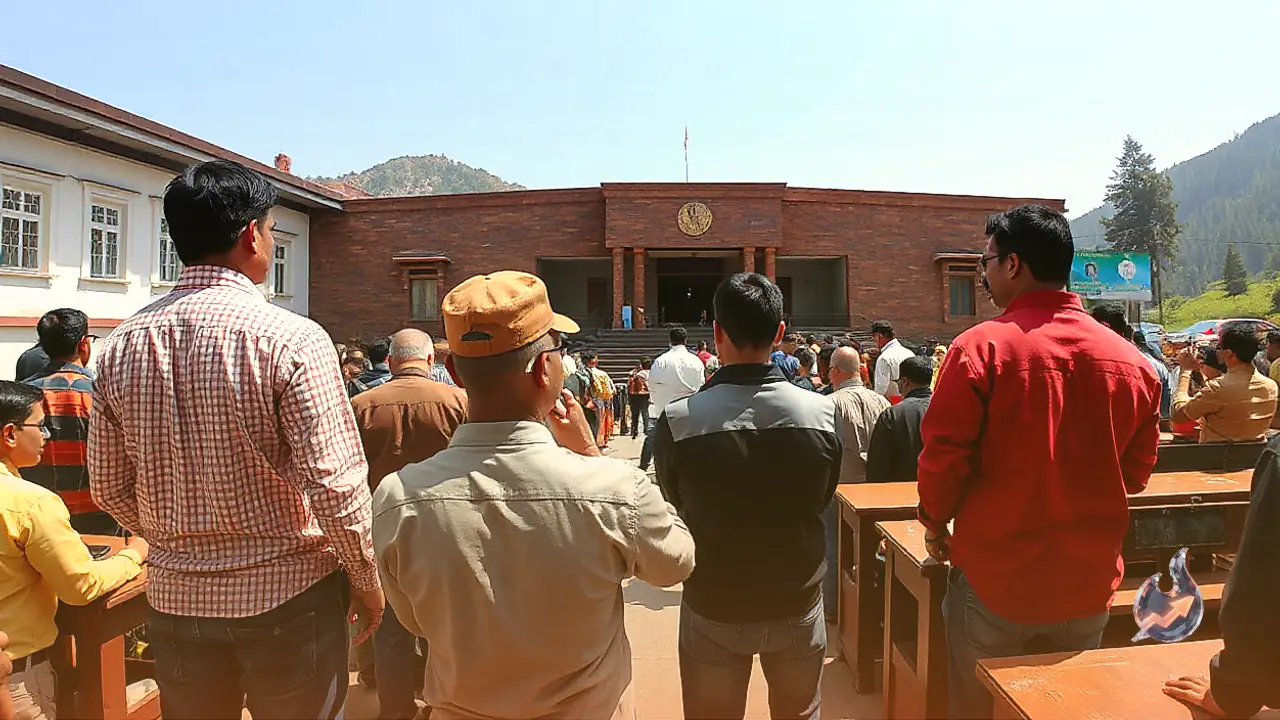
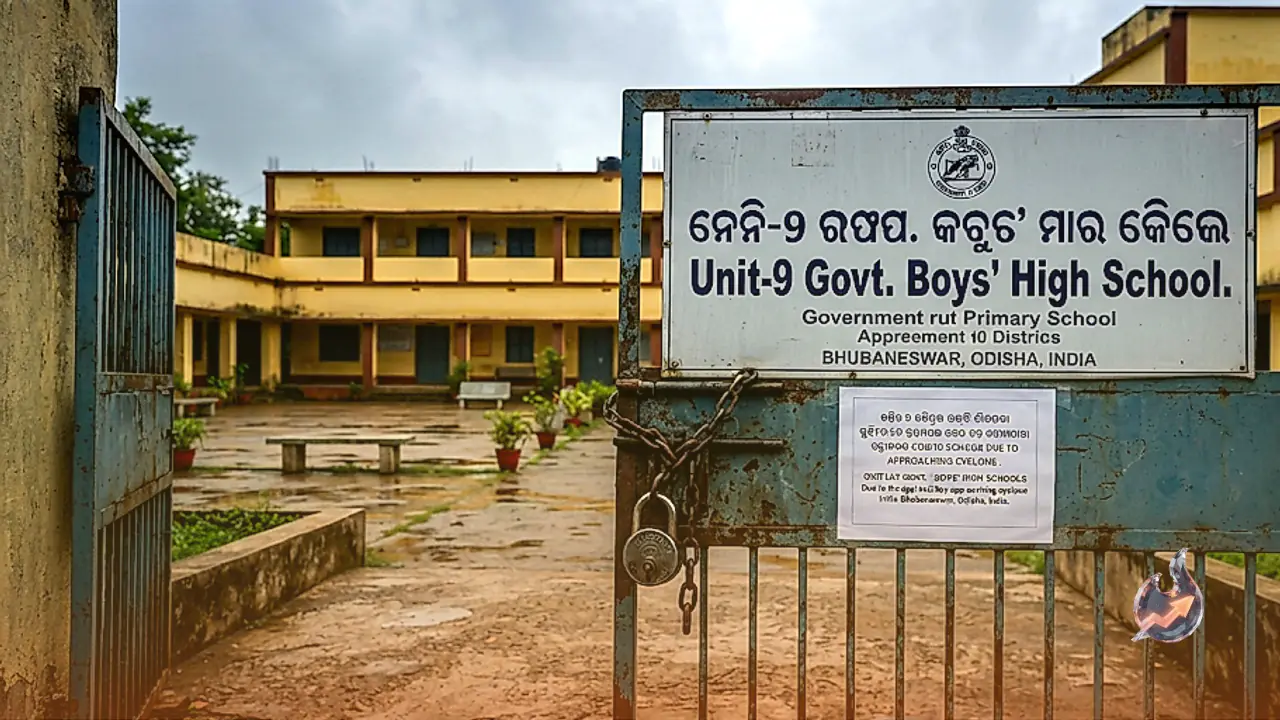
The transition to the Central Board of Secondary Education framework affects four specific government educational institutions located within the Churah legislative constituency of Chamba district. The selected schools encompass Bairagarh, Jhajhakothi, Himgiri, and Thalli. Operating under this updated academic pattern will enable these institutions to deliver standardized learning comparable to top-tier private schools.
Rapid Administrative Action Following the Announcement
Chief Minister Sukhvinder Singh Sukhu initially announced the integration of these four schools into the CBSE network during an official visit to the Churah region. Demonstrating remarkable administrative speed, the formal notification authorizing this affiliation was issued within a span of just 20 days. Local residents and youth groups have warmly welcomed this swift execution, expressing profound appreciation for the state leadership's proactive approach.
Relief for Parents and Enhanced Opportunities for Students
This strategic academic upgrade ensures that children residing in remote rural pockets of Churah can access superior educational resources right in their neighborhoods. Families will no longer face the necessity of relocating their children to urban centers like Chamba, Dharamshala, or Shimla for quality schooling. Beyond giving young learners a secure academic foundation, this decision spares parents from heavy financial strains and logistical challenges.
Laying the Groundwork for Competitive Excellence
Community members observe that standard rural schooling methods often lack the rigorous framework required for advanced competitive examinations. By introducing a curriculum comparable to private establishments from an early stage, students will gain familiarity with competitive testing formats without facing undue hurdles later. This initiative effectively bridges the educational divide, empowering rural children to build smarter, brighter futures.