
As winter sets in across North India and coastal regions brace for atmospheric turbulence, students and parents across multiple states are seeking clarity regarding school operations on Friday, November 20, 2026. Severe weather warnings in eastern India have prompted administrative interventions in coastal zones, while most northern and central states are maintaining standard academic schedules. Staying informed through official communication channels is essential before sending children to school on Friday morning.
Odisha Orders School Closure Across 10 Districts Due to Cyclone Akwan Alert
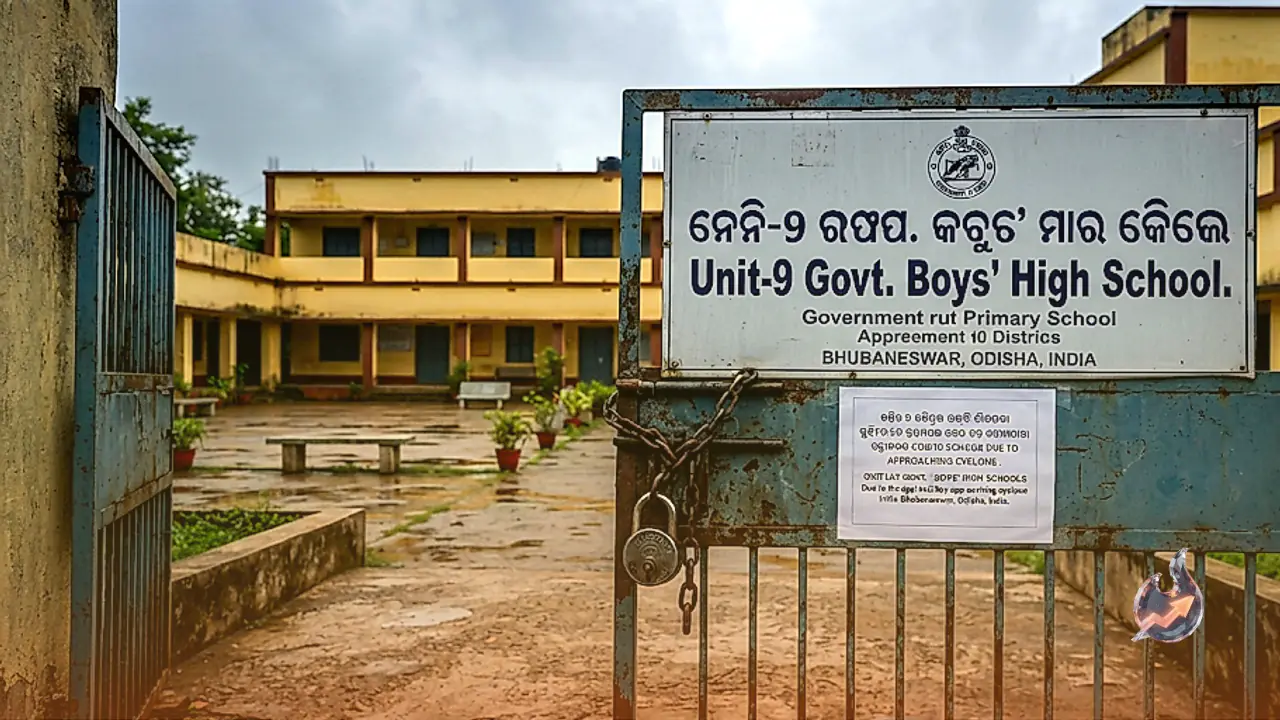
Responding to warnings regarding the impending impact of Cyclonic Storm Akwan, the Odisha state government has initiated preventive safety measures across vulnerable regions. To safeguard school students from heavy rainfall and high-speed winds, administration has mandated the closure of all government, government-aided, and private educational institutions. In Ganjam, Gajapati, Puri, Jagatsinghpur, Kendrapara, and Kandhamal districts, schools will remain closed for a three-day period spanning from November 19 to November 21. Furthermore, in Khordha, Malkangiri, Rayagada, and Koraput districts, schools will be shut specifically on Friday, November 20. Local authorities have instructed residents and school managements to closely track updates issued by the India Meteorological Department.
Regular Offline Classes Continue in Delhi NCR and Bihar
In the national capital, Delhi, no city-wide holiday has been announced for Friday, November 20. Following the recent rollback of GRAP Stage-3 anti-pollution restrictions, schools throughout Delhi NCR have fully resumed in-person offline learning across all grade levels. However, given ongoing seasonal air quality challenges and dropping winter temperatures, parents are advised to monitor official school WhatsApp groups, emails, and circulars for any emergency local shifts. Similarly, schools across Bihar will operate normally on Friday. Academic activities in Bihar have returned to their regular schedule following the completion of the extended festive breaks for Diwali and Chhath Puja.
District-Level Flexibility in Tamil Nadu and West Bengal Schedule
Tamil Nadu has not issued any state-level blanket shutdown for November 20. Nevertheless, district collectors in regions experiencing severe rainfall hold localized authority to declare holidays based on real-time ground conditions. Parents and students in rain-affected southern districts are advised to rely directly on circulars from their respective district administration offices and school management. In West Bengal, the official 2026 academic calendar of the state board does not list November 20 as a holiday, ensuring that state-run schools will function as usual. Managements of CBSE, ICSE, and independent private institutions may follow their individual operational calendars.
Normal Working Day Scheduled in Rajasthan and Himachal Pradesh
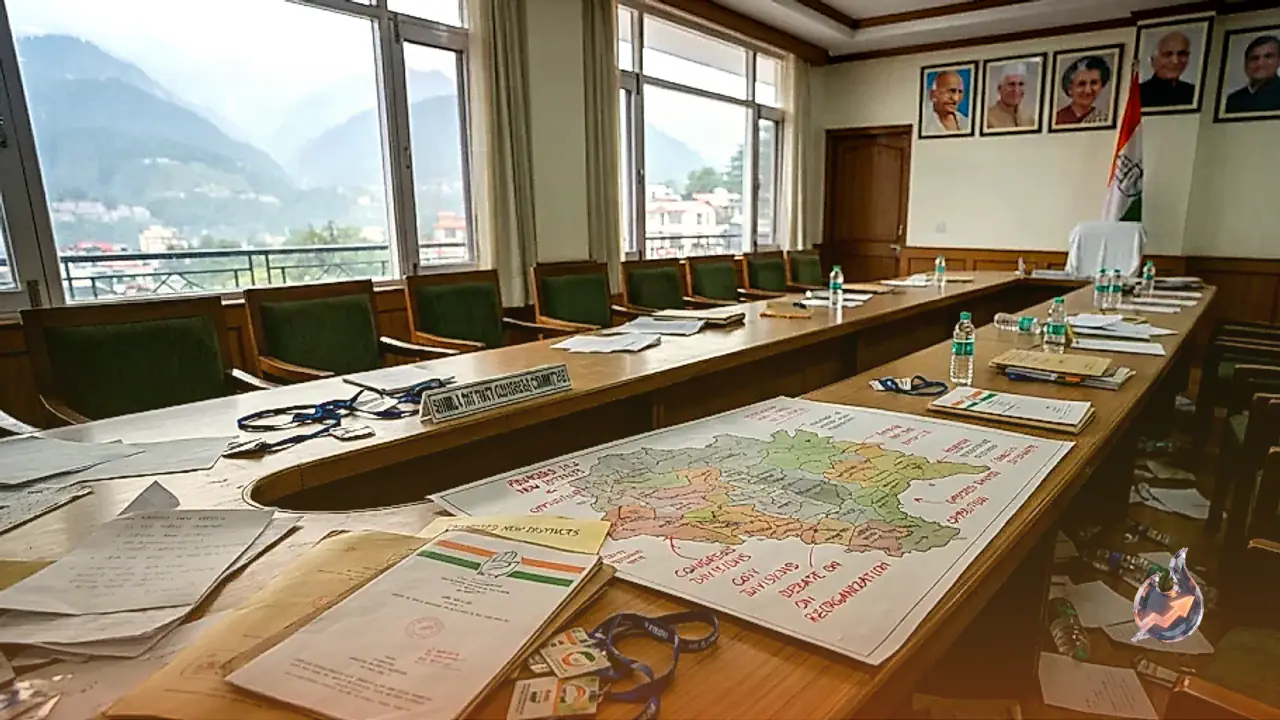
In Rajasthan, schools recently reopened on November 16 following the conclusion of the official mid-term autumn vacation that ran from November 4 to November 15. Consequently, educational activities across Rajasthan will proceed without interruption on Friday, November 20. Meanwhile, in Himachal Pradesh, the official 2026 government holiday calendar does not designate November 20 as a gazetted or sectional holiday. Academic routines across government and private institutions in the hill state will remain fully operational as scheduled.
Advisory Against Misinformation and Fake Social Media Alerts
During weather emergencies, false circulars and outdated holiday notices frequently circulate across social media platforms. Because district administrations in storm-affected coastal belts sometimes issue late-night or early-morning safety directives, families should exercise caution before relying on unverified messages. Parents are strongly advised to cross-check operational status through direct communications, such as official school applications, verified emails, administrative portals, or primary contact with class teachers. Compliance with official disaster management bulletins remains the safest approach for households in weather-sensitive regions.