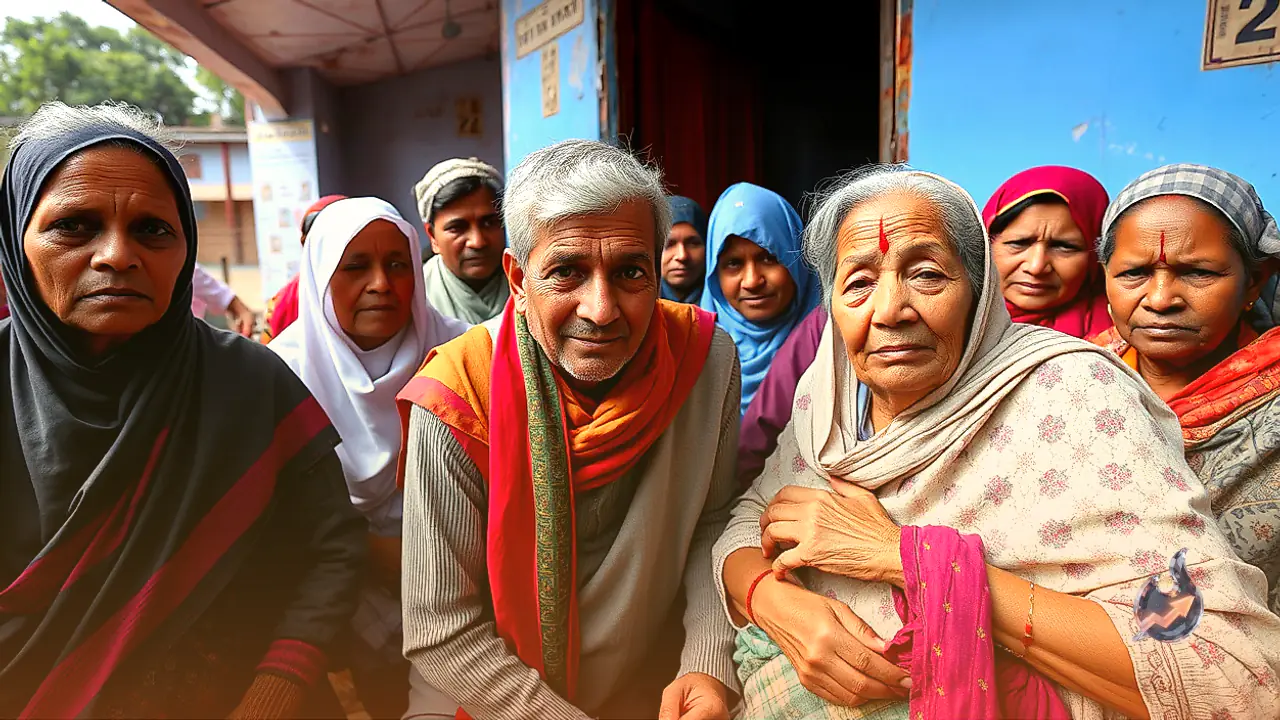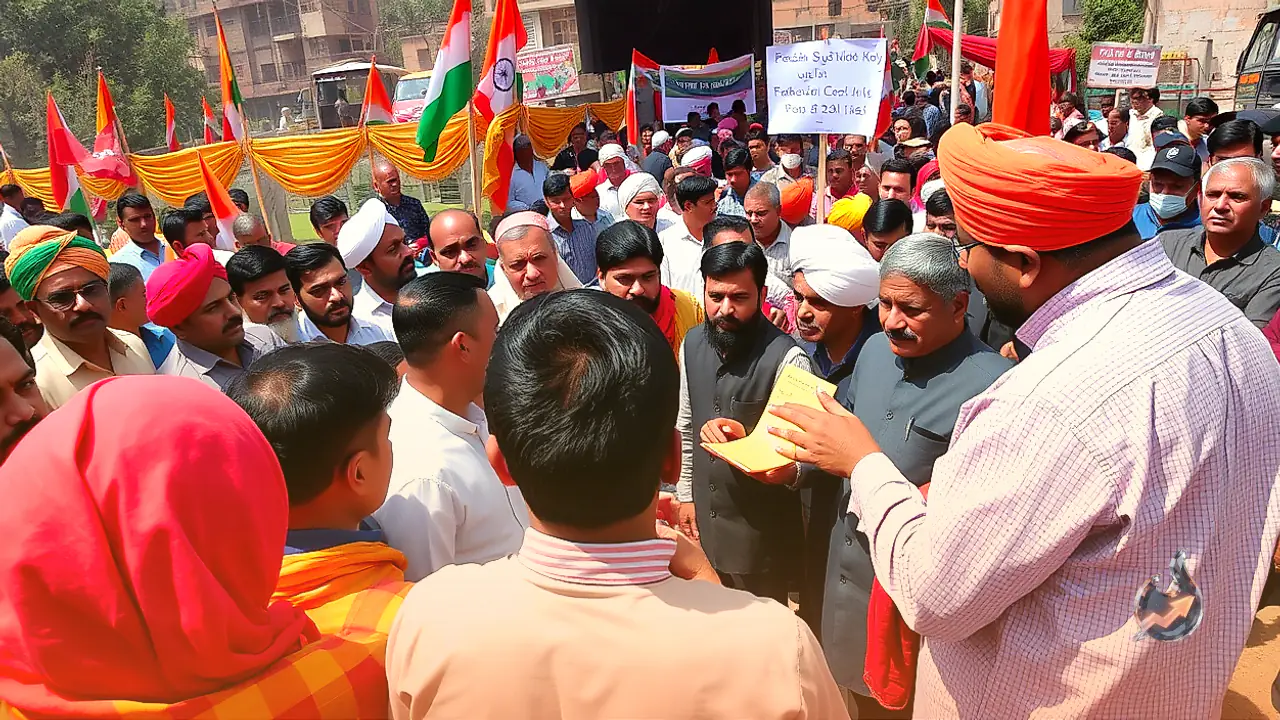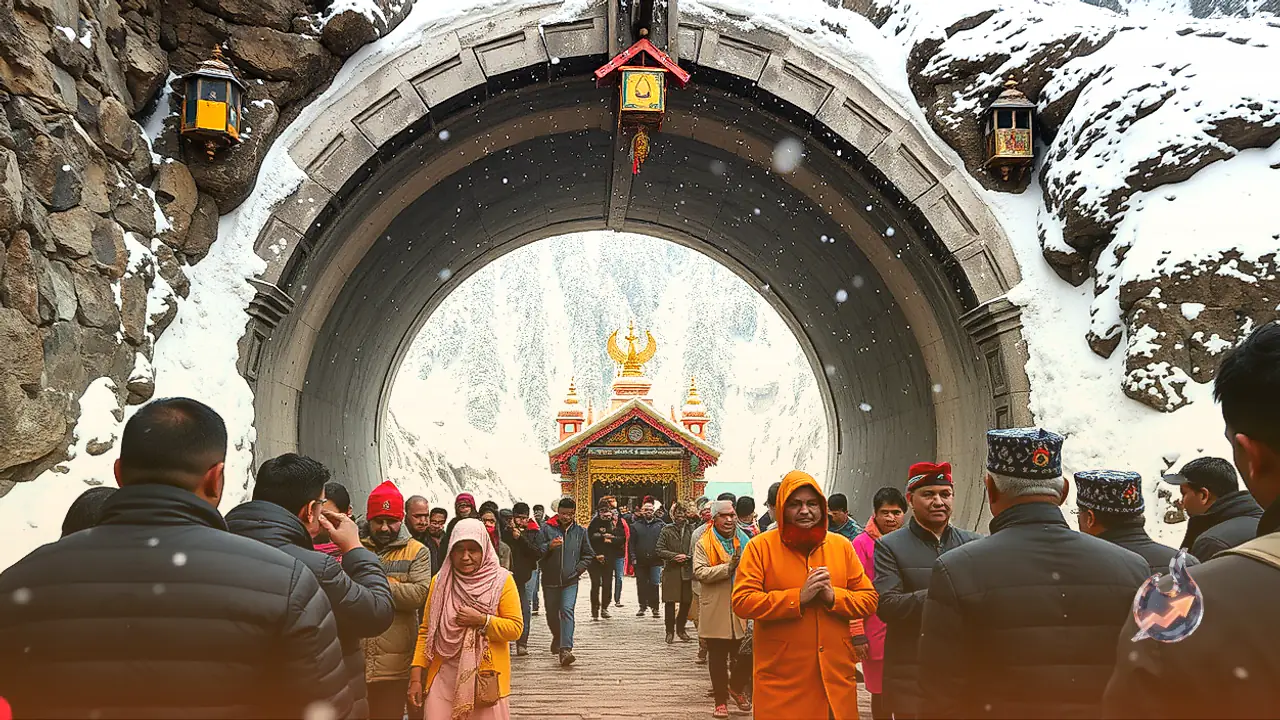



















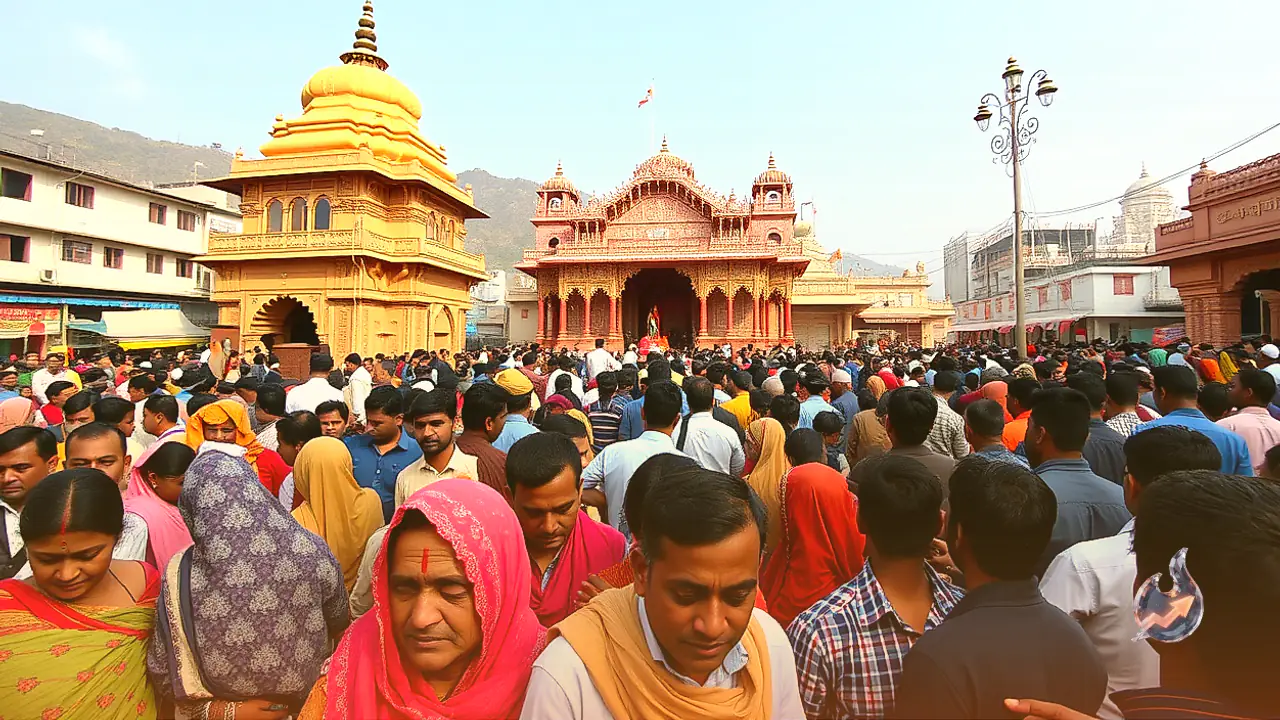

With the auspicious festival of Navratri approaching, Northern India's prominent pilgrimage centers are witnessing a major surge in devotional preparations. Among these sacred sites, the famed Maa Chintpurni temple situated in the Una district of Himachal Pradesh is gearing up to receive hundreds of thousands of worshippers. Deeply rooted in regional faith, the shrine draws vast crowds not only from Punjab and Haryana, but also high-profile visitors, including prominent Bollywood personalities. Throughout the calendar year, devotees from across India and abroad travel to this holy destination, with visitors from Punjab making up a particularly large share of the pilgrimage. Traditional belief holds that visiting this shrine relieves people of their worldly anxieties and blesses them with happiness, sustaining an unbroken flow of pilgrims.
The Primordial Power of Creation and Sati's Footsteps
In classical Indian spiritual traditions, universal creation cannot be conceived without primal energy, much like fire cannot exist without heat or the moon without moonlight. Maa Chintpurni is revered as an embodiment of this primordial power, Aadishakti, and is worshipped as Bhagwati Chhinnamastika. Festive occasions such as the deity's Jayanti see the temple extensively decorated, with community prasad distributions adding to the devotional enthusiasm of visiting pilgrims.
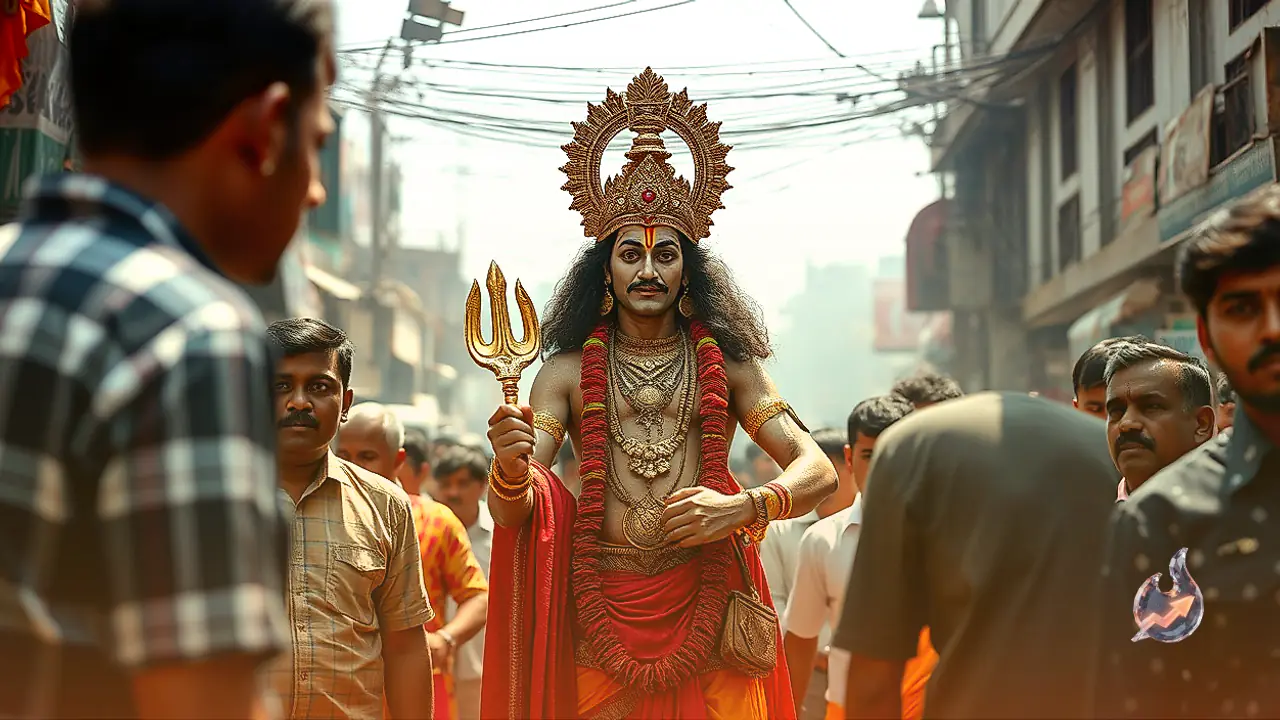
The foundational legend of the pilgrimage site traces back to the ancient sacrifice organized by King Daksha. When Daksha insulted Lord Shiva during the yajna, a grief-stricken Mata Sati sacrificed her life by stepping into the sacrificial fire pit. Overcome with sorrow and fury, Lord Shiva began wandering across the universe bearing Sati's physical remains. To preserve cosmic order, Lord Vishnu intervened and used his Sudarshan Chakra to sever Sati's body into multiple pieces. Sacred lore dictates that wherever these divine fragments fell upon the earth, holy Shaktipeeths came into being. Chintpurni is revered as the sanctified ground where the feet of Mata Sati descended onto the hills.
The Selfless Form of Chhinnamasta and the Vision of Mai Das
Spiritual traditions firmly link Maa Chintpurni with Goddess Chhinnamasta, one of the ten Mahavidyas. According to sacred lore, the deity decapitated herself to quell the severe hunger of her companions, sustaining them with the flow of her own blood. This fierce yet deeply benevolent form represents absolute sacrifice, supreme compassion, and maternal strength, which led to the shrine being widely referred to as Chhinnamastika Dham.
Complementing this classical lore is the popular narrative of devotee Mai Das, which explains the temple's physical establishment. According to historical tradition, the goddess manifested before Mai Das as a young girl beneath a banyan tree, instructing him to initiate regular worship at that specific spot. When Mai Das expressed hesitation over the scarcity of water, financial poverty, and an absence of resources, the deity assured him that generous devotees would come forward to construct the shrine and sustain the offerings. Since that encounter, the divine presence has been continually worshipped at the site in the form of a holy pindi.
Lineage of Mai Das, Sanctum Architecture, and the Four Shiva Temples
Centuries later, that devotional lineage remains directly responsible for daily rituals at the shrine. Temple priest Sandeep Kalia explained that the direct descendants of Mai Das continue to manage worship and rituals inside the inner sanctum. Nearby memorials dedicated to the family of Mai Das remain significant sites of veneration for visiting pilgrims. Inside the sanctum sanctorum, the sacred pindi of the goddess is adorned with fresh blossoms and shaded beneath a ceremonial silver umbrella. The broader temple architecture, featuring a gilded golden dome and traditional sacred symbols, enhances the spiritual dignity of the complex.
To accommodate large crowds safely, the temple management and priests have put into place queue management measures, including extensive safety railings across the premises. According to sacred topography, Chintpurni Dham is protected from all four cardinal directions by ancient shrines dedicated to Lord Shiva. These guardian sites comprise Kaleshwar Mahadev to the east, Shivbari to the south, Muchkund Mahadev to the north, and Narayan Mahadev to the west. Furthermore, popular beliefs surrounding the circumambulation of the sacred temple flames during Navratri continue to draw pilgrims. Priest Sandeep Kalia highlighted that Chintpurni Dham represents more than a physical shrine; it stands as an enduring beacon of faith and solace where devotees arrive confident that their troubles will be alleviated and their lives blessed with prosperity.