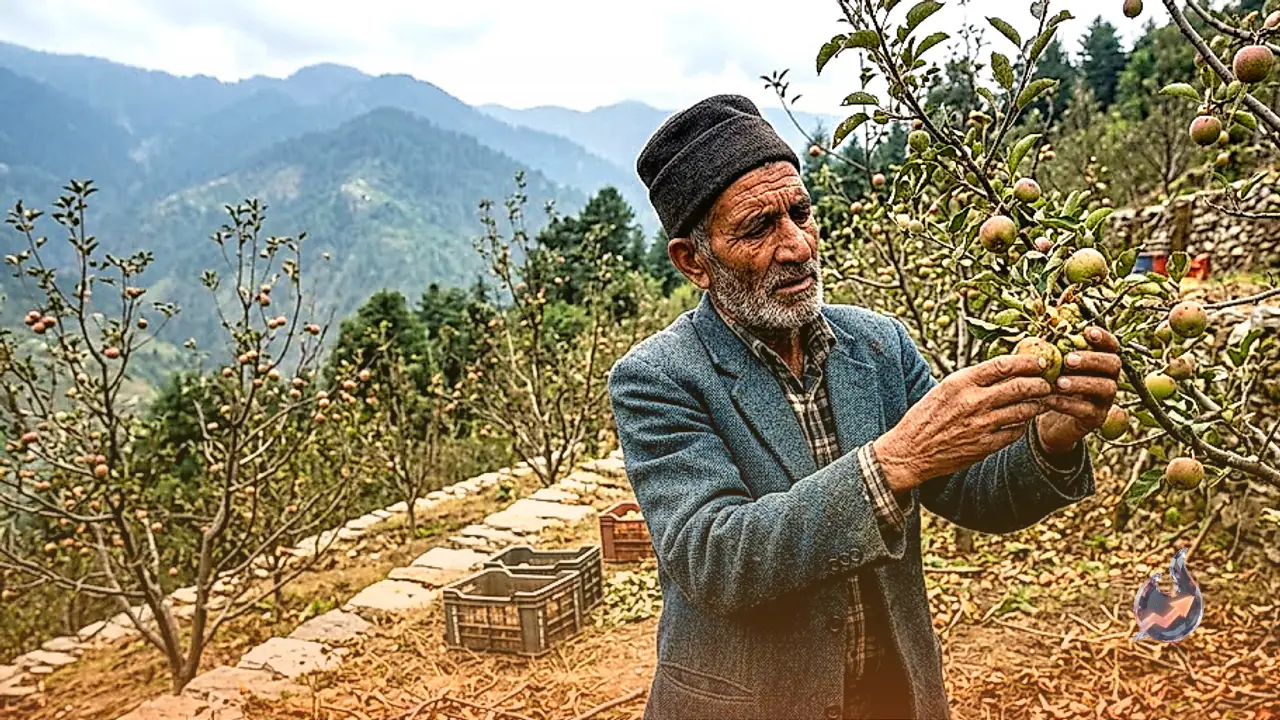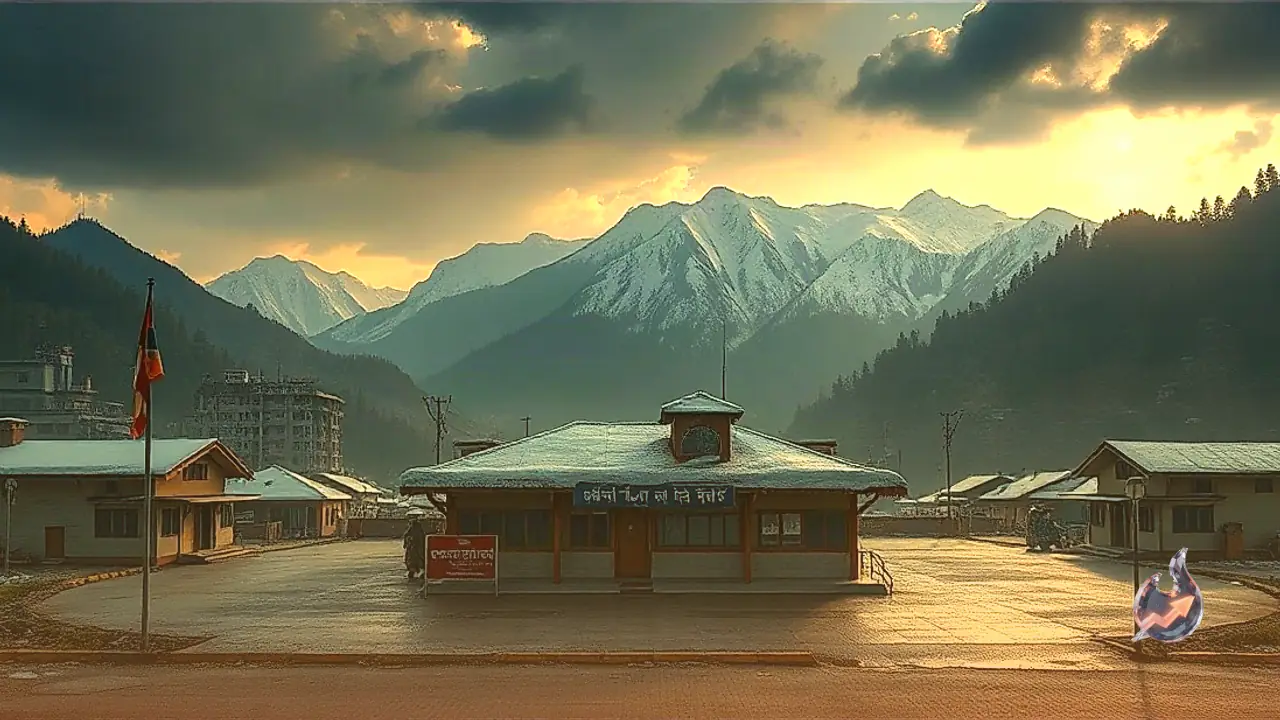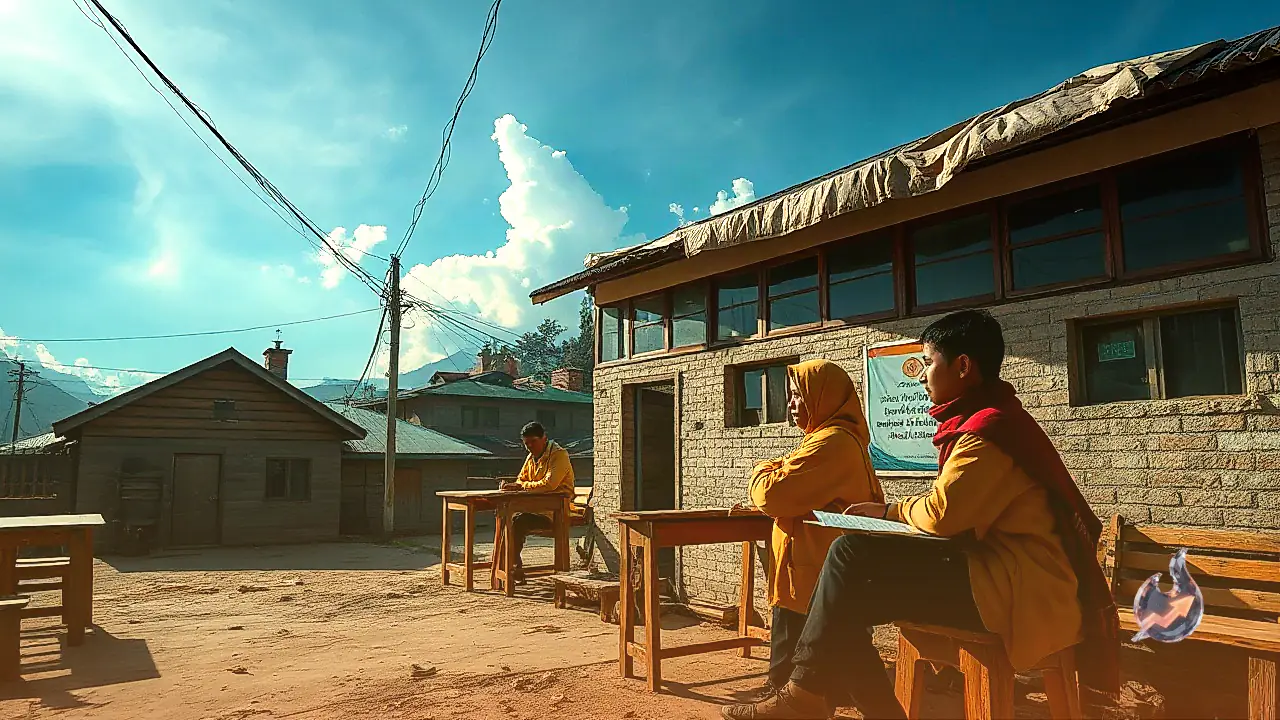























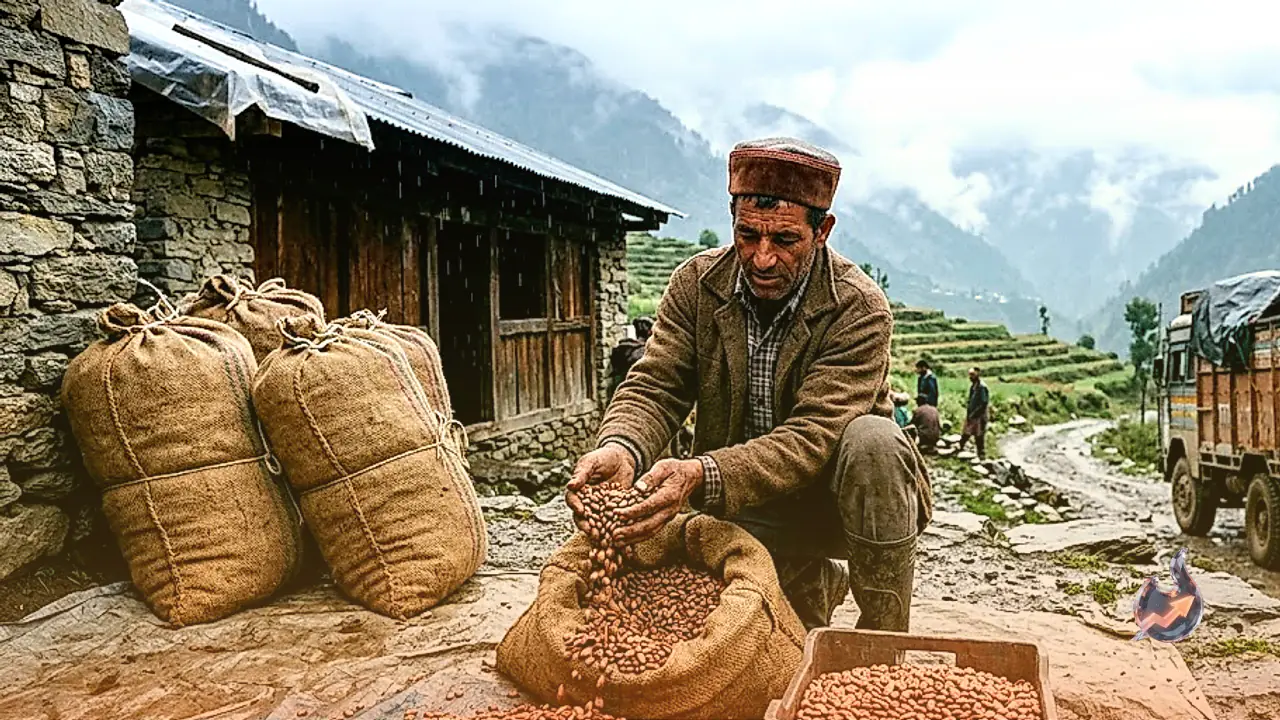

Tucked away at the edge of the Bharmour assembly segment in Himachal Pradesh's Chamba district, the remote snow-clad village of Kugti is making a distinct name for its indigenous kidney beans. Cultivated naturally in pristine high-altitude conditions, the crop is widely sought after for its exceptional taste and premium quality, finding a loyal customer base across major consumer centers such as Delhi and Punjab. For the agrarian families residing in this border settlement, this crop has moved far beyond subsistence farming to become a cornerstone of rural livelihood and commercial sustenance.
Six Months of Grueling Labor in Frozen Terrain
Cultivating kidney beans in the challenging geography of Kugti demands relentless perseverance under extreme constraints. The high-altitude terrain offers an extremely brief farming calendar, forcing local growers to operate against harsh weather, steep slopes, and frozen conditions. Sowing commences diligently between March and April as temperatures begin to thaw the ground. Following months of intensive agricultural care throughout the high-altitude summer, the crop finally ripens for harvesting during September and October, concluding a rigorous half-year cultivation cycle.
Excess Moisture and Adverse Weather Dampen Prospects
The current agricultural season has brought severe weather volatility to the region, triggering deep apprehension among local farming communities. Exceptionally high rainfall and erratic temperature swings have hit standing crops across multiple pockets of Kugti. Protracted ground moisture and soggy fields threaten to impair bean maturity and depress overall yields. While localized crop damage has already been reported, growers continue to pin their hopes on stable atmospheric conditions during the concluding harvest phase to rescue production volumes.
Transitioning into a Prized Commercial Cash Crop
Agronomic surveys and academic research indicate a steady expansion in the land area dedicated to kidney beans in Kugti. This structural shift has been driven by the superior financial returns offered by rajmah in contrast to conventional hill grains and subsistence crops. The bespoke climate of the valley yields beans that command premium commercial value across wholesale terminals. However, infrastructural limitations and geographical isolation continue to plague growers, who face severe logistical bottlenecks while hauling harvested stock across treacherous trails toward urban distribution points.
Strategic Need for Transit Networks and Market Access
Growers emphasize that streamlined governmental support in cold-climate transportation and organized agricultural marketing could propel Kugti kidney beans into top-tier national food markets. Provided climatic disruptions stabilize and reliable logistics corridors are established, this specialized high-altitude product has the potential to boost household incomes across the tribal belt while infusing economic viability into traditional mountain agriculture.