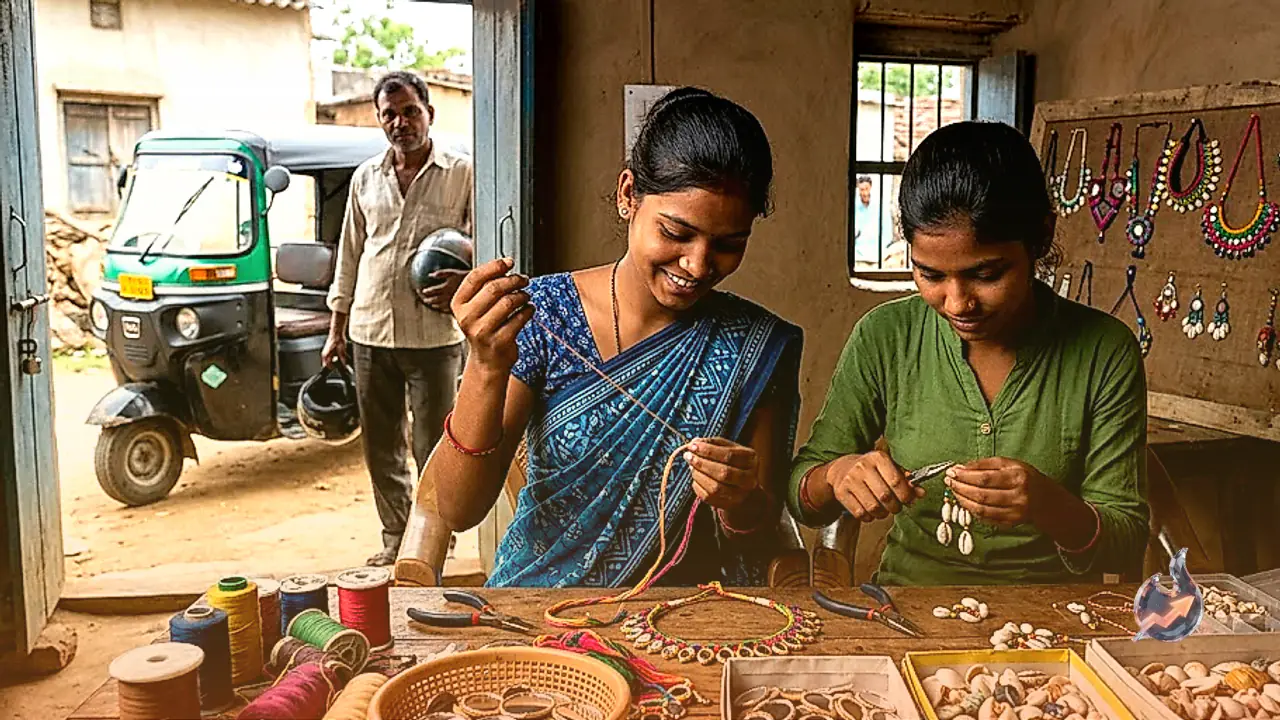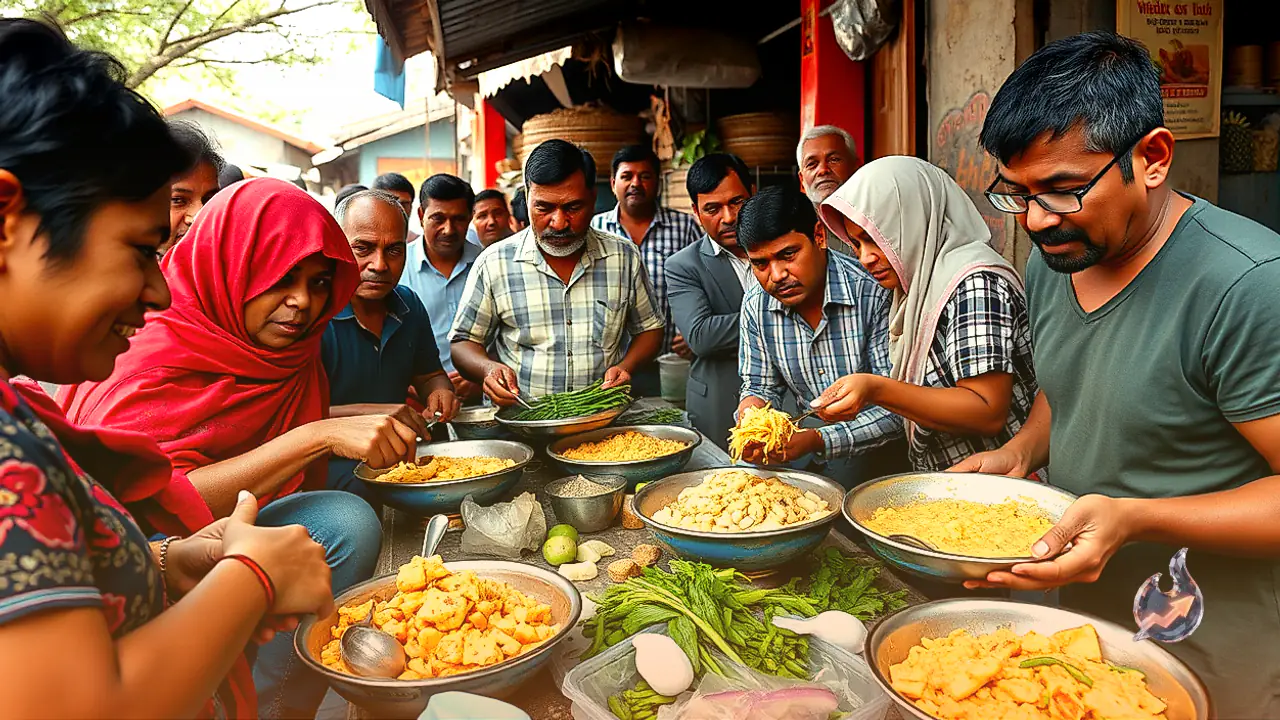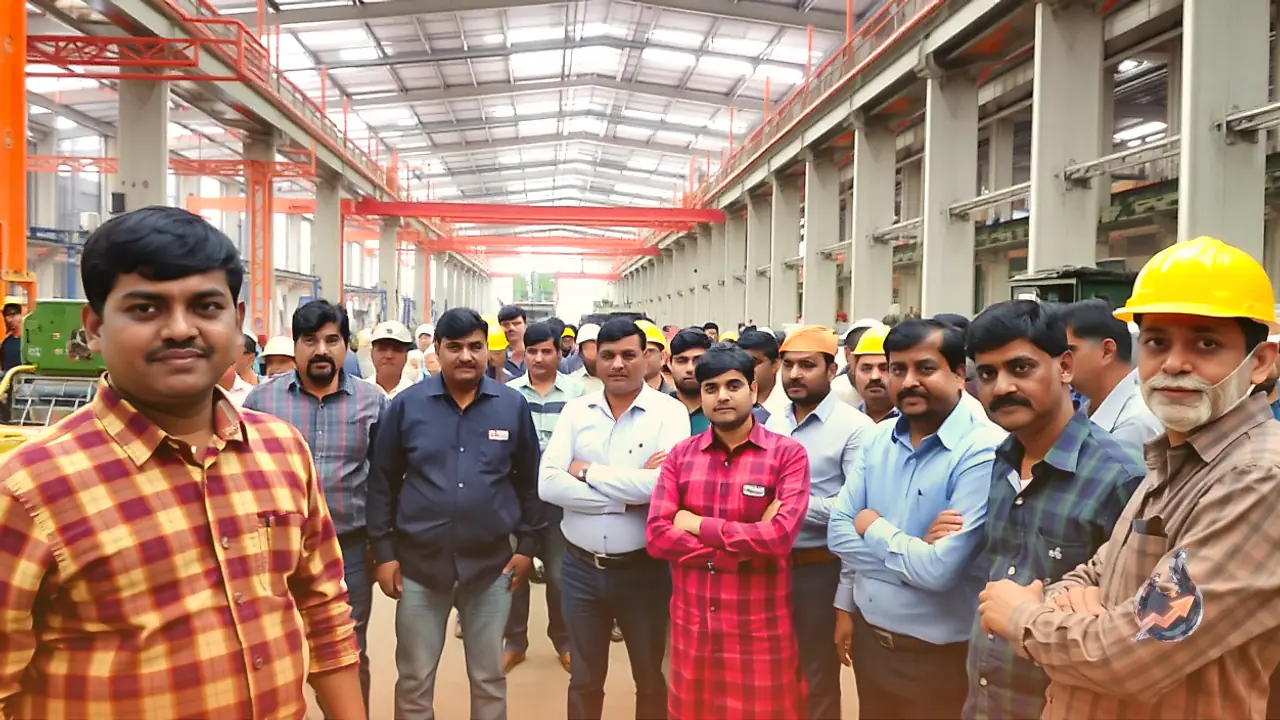

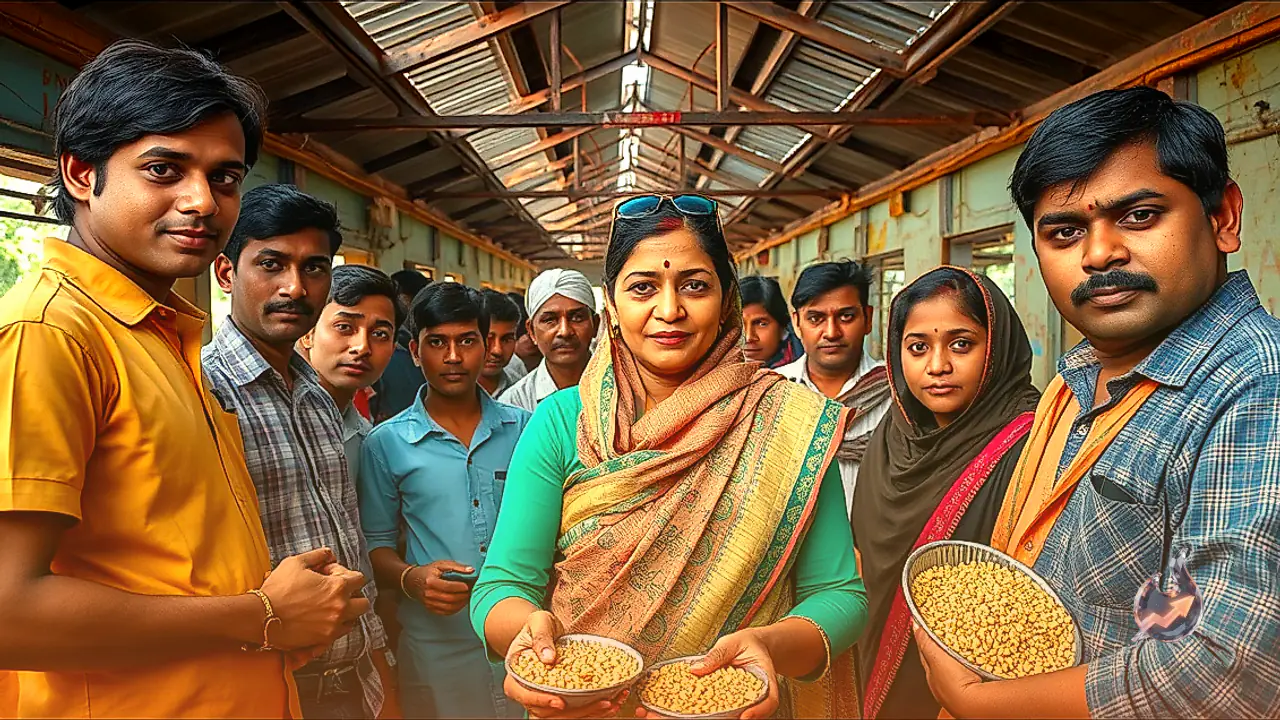


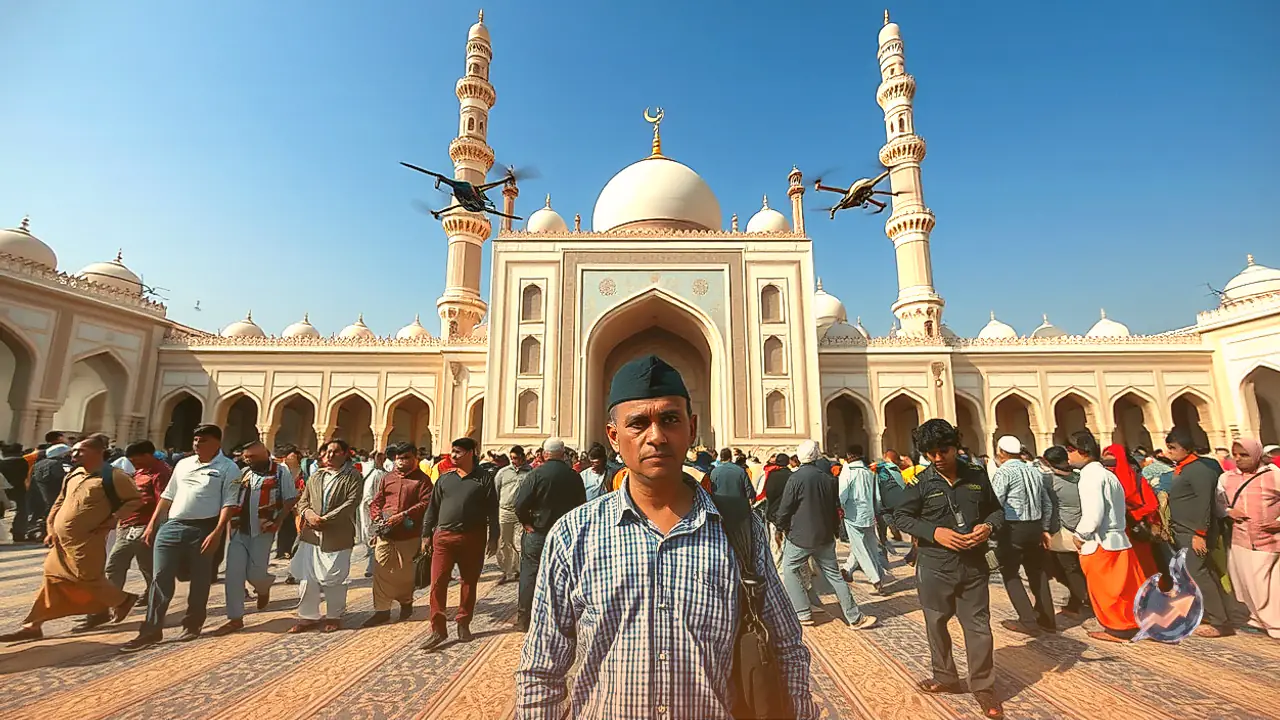














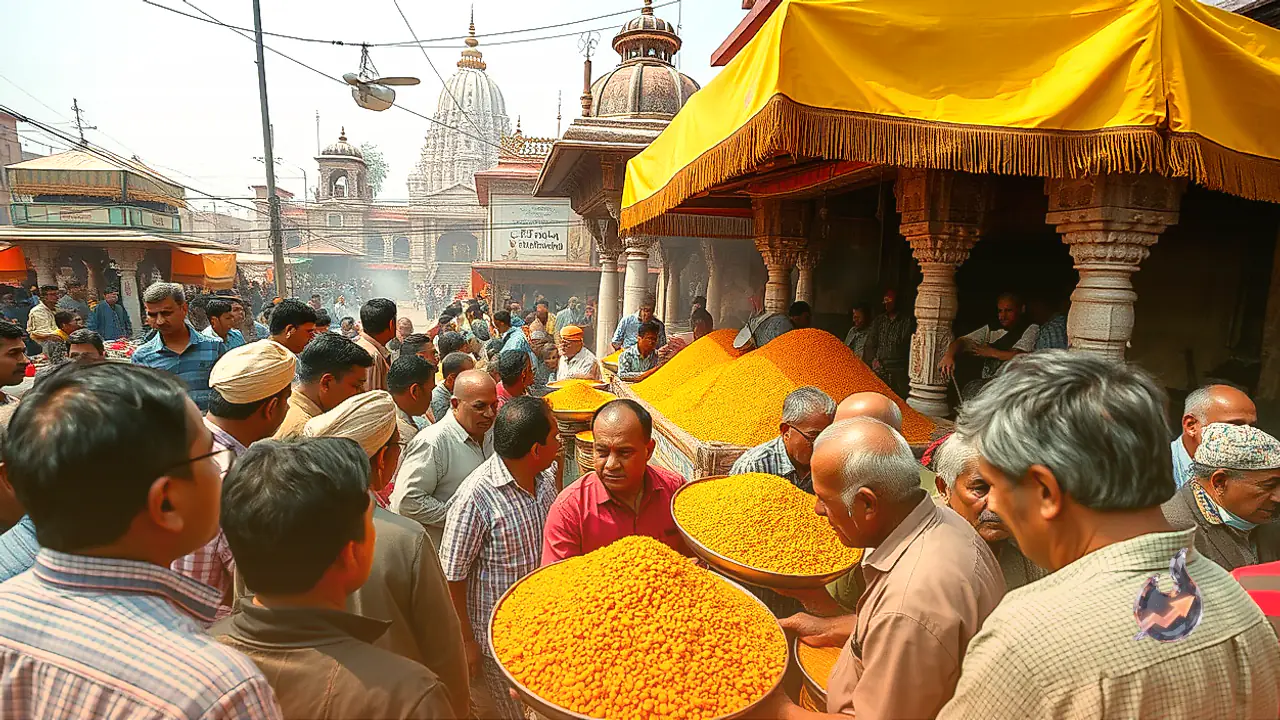

Deoghar, famously known across India as Babanagari, is home to the sacred Jyotirlinga shrine of Baba Baidyanath, drawing vast multitudes of devotees from every corner of the country throughout the year. For pilgrims who complete their worship and ritual offerings at the sanctum, bringing back a traditional token of prasad is an essential custom, with Deoghar's legendary peda taking the foremost place of honor. While the narrow alleys directly surrounding the main shrine complex have historically housed numerous heritage confectionery stalls giving the area its popular nickname of Peda Gali, a noticeable shift in pilgrim buying preferences has emerged. Instead of patronizing the crowded counters beside the temple gates, an increasing number of visitors now travel nearly 10 kilometres out to Lalchi Peda shop situated close to the Jasidih-Chakai turn.
Traveling 10 Kilometres Past Temple Lanes in Search of Quality
In most major pilgrimage centers, travelers typically buy sweets from shops located right beside shrine exit gates to minimize transit hassles. However, at Deoghar, seasoned devotees are readily traveling 10 kilometres away from the temple hub simply to ensure superior culinary quality and authentic taste. Patrons arriving at this outlet located at the Jasidih-Chakai turn buy pedas not only for their personal households but also carry large gift boxes for friends, relatives, and colleagues residing in other states across India.
Among those visiting the shop was Pravin Kumar Jha, a native of Bhagalpur in Bihar who is currently posted as a soldier in Cuttack. Jha shared that he has been undertaking the pilgrimage to Babadham for several years, considering the procurement of authentic pedas just as integral to his trip as the darshan itself. Recounting past trips, he noted that he had purchased pedas from multiple shops across Deoghar over the seasons, but felt cheated in the name of religious devotion due to poor and inconsistent quality. Disturbed by past experiences with substandard sweets, he switched to Lalchi Peda shop last year and has continued buying exclusively from here ever since.
During his latest trip, Pravin Kumar Jha hired a dedicated toto e-rickshaw specifically to make the journey from the core shrine area to the Jasidih-Chakai intersection for his peda purchase. He explained that along with supplying his own household, his neighbors, colleagues, and acquaintances in Cuttack specifically request authentic Deoghar pedas whenever he travels to the temple town, prompting him to procure parcels in generous quantities for them.
The Journey from Jamui to an Expanding Confectionery Hub
The shop is managed by Dinesh Yadav, whose ancestral residence lies in the Jamui district of neighboring Bihar. Prior to establishing himself in Deoghar, Yadav used to prepare and sell pedas within Jamui. During that period, an acquaintance recommended that setting up a peda business in Deoghar could yield far greater commercial success, given the perpetual influx of thousands of devotees visiting the Jyotirlinga shrine. Acting upon this guidance, Dinesh Yadav moved his operations and established a storefront near the Jasidih-Chakai turn, positioned well outside the congested town center.
Over time, footfall at the outlet expanded steadily. With growing word-of-mouth regarding taste and freshness, the shop now operates on a large commercial scale every day. According to Dinesh Yadav, approximately two to two and a half quintals of mawa or khowa are processed daily on the premises to churn out fresh batches of pedas. Consuming 2 to 2.5 quintals of concentrated milk solids each day underscores the massive volume of demand that this highway-adjacent shop commands.
Inter-State Client Base and Fixed Pricing Structure
The consumer base visiting Dinesh Yadav's establishment extends far beyond residents of Deoghar and neighboring rural hamlets. The shop regularly caters to pilgrims traveling from Jharkhand, Bihar, West Bengal, and Odisha who halt their vehicles at the Jasidih-Chakai intersection on their return journeys. In terms of price, the pedas are sold at a fixed rate of Rs 400 per kilogram. The combination of reliable consistency and standardized pricing has built strong recurring loyalty among cross-border travelers.
For visitors journeying to Babadham, peda represents far more than an ordinary milk sweet; it stands as an emotional emblem and a cherished spiritual memento linked directly to the sanctity of Babanagari. This emotional attachment drives pilgrims to take sweet boxes back to their distant hometowns without fail. The flourishing trade at this Jasidih-Chakai shop alongside the historic vendors of Peda Gali demonstrates that Deoghar's signature peda enterprise is no longer confined strictly to the temple periphery, but has successfully carved out a thriving identity along key transit routes outside the city limits.