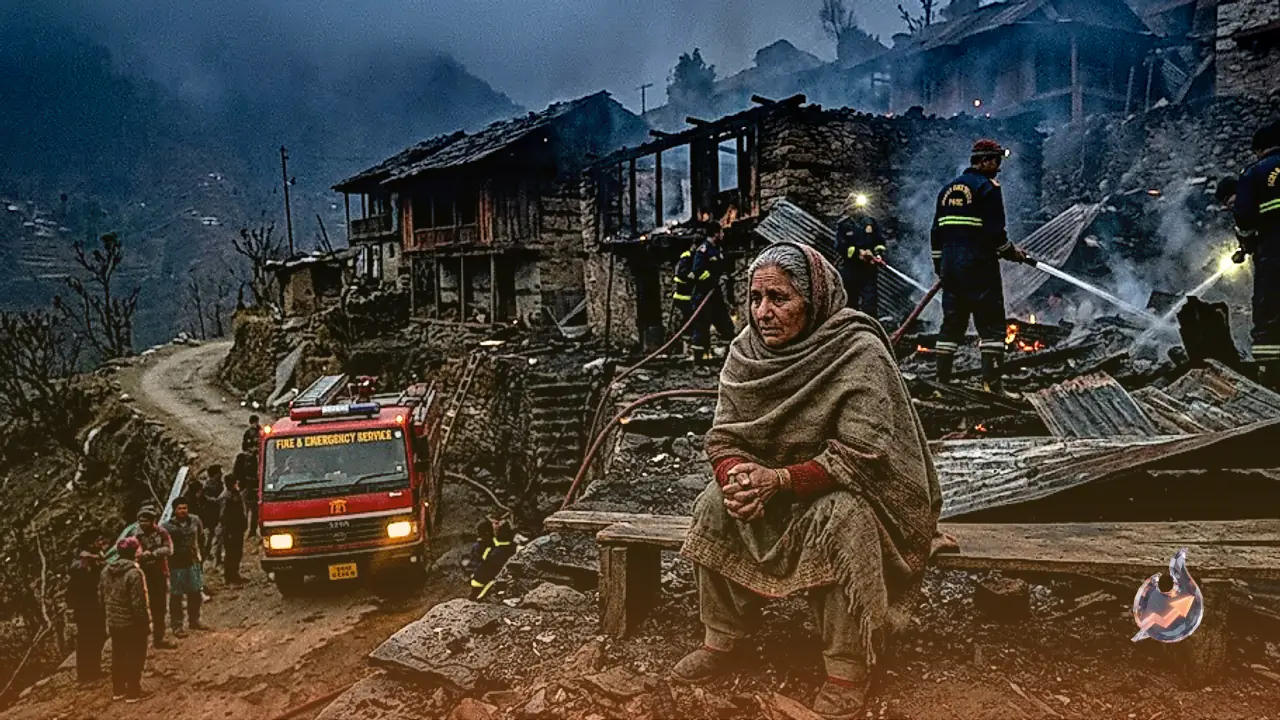



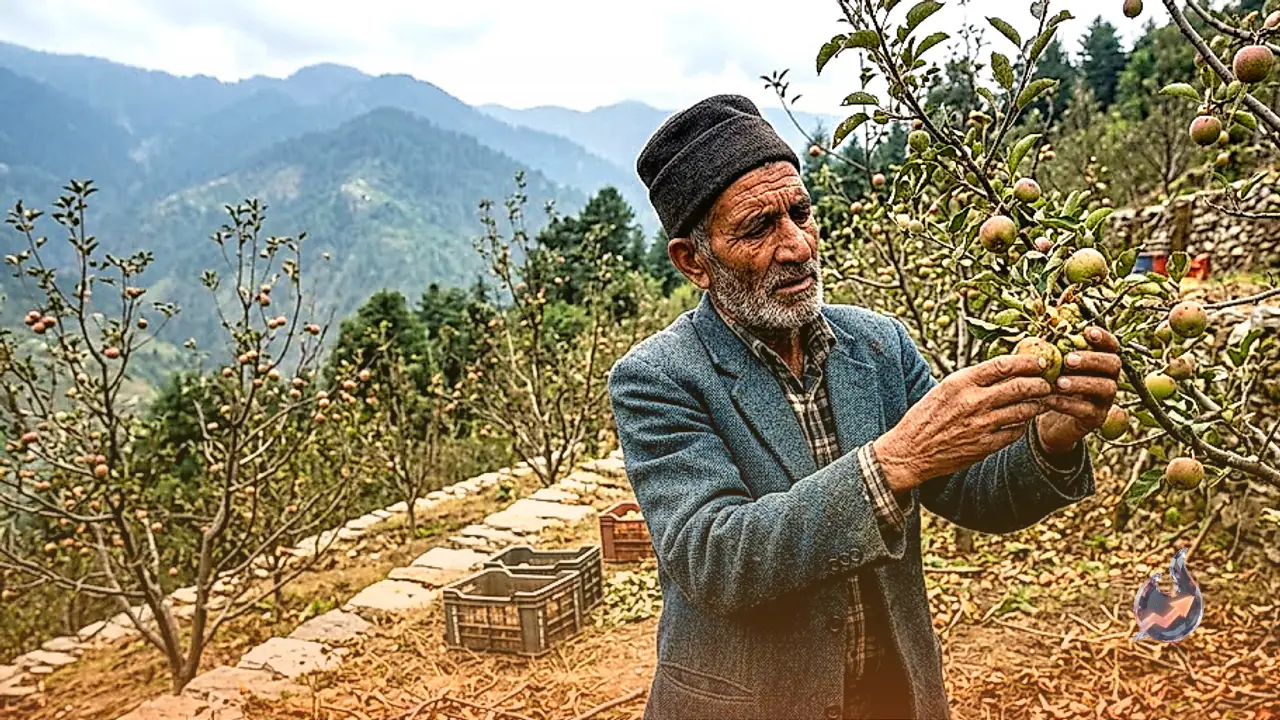















The horticultural backbone of Himachal Pradesh is facing an unprecedented disruption as apple production has registered a sharp 48 percent decline this season. Extensive weather anomalies driven by changing climatic patterns have ravaged orchards across key growing belts. The sudden slump directly jeopardizes the state's estimated Rs 5,000 crore apple-driven economy, jeopardizing the financial stability of roughly 2.5 lakh grower families whose livelihoods depend on this harvest.
Market Arrivals Drop by Nearly Half
Sharing official trade figures on Thursday, Director of Horticulture Satish Kumar pointed out that wholesale markets have received only 1.15 crore boxes so far this season, compared to 2.18 crore boxes during the corresponding timeframe last year. This represents a contraction of approximately 48 percent. Satish Kumar indicated that the current yield may descend to its lowest level recorded in the past 10 to 12 years, primarily because erratic rainfall patterns, unexpected hailstorms, and unseasonal snowfall dealt severe blows during critical fruit development stages.
Extended Harvesting Cycle and State GDP Repercussions
The apple marketing window across the hill state typically opens on June 15 and stretches through the end of October. Early-ripening varieties begin reaching auction yards by late June, whereas produce from higher altitudes and tribal valleys continues arriving until late October. Because apple cultivation serves as the linchpin of the regional agrarian economy, such a steep contraction delivers a synchronized blow to grower household earnings as well as the Gross Domestic Product (GDP) of Himachal Pradesh.
Overall Output Slashed by Nearly 50 Percent in Tonnage
Projections shared by the horticulture department show that aggregate production this year might halt at only 1.5 crore boxes. Measured by weight, the output reached 7 lakh tonnes in the previous year, whereas current expectations range between 3.5 lakh and 3.75 lakh tonnes. Department officials emphasized that conventional orchard practices are no longer sustainable against ongoing climate fluctuations, particularly as aging orchards exhibit steady drops in yield. Growers in the upper reaches of Shimla have reported exceptionally poor fruit sets this year.
Shift Toward High-Density Plantations and Policy Relief
To establish long-term agricultural resilience, authorities are transitioning growers toward modern high-density farming models. In Karsog, nurseries are currently preparing between 1,00,000 and 1,50,000 high-density saplings tailored for cultivation across varied elevation tiers, encouraging farmers to adopt structured scientific methodologies. Addressing the crisis, Revenue and Horticulture Minister Jagat Singh Negi acknowledged that overall yields remain exceedingly low, noting that reaching even 2 crore boxes by the season's conclusion remains uncertain, a stark contrast to last year when around 3.49 crore boxes reached markets. Negi stated that the state government intends to revise procurement prices upward under the Market Intervention Scheme (MIS), with a formal proposal slated for cabinet review to deliver financial relief to affected growers.