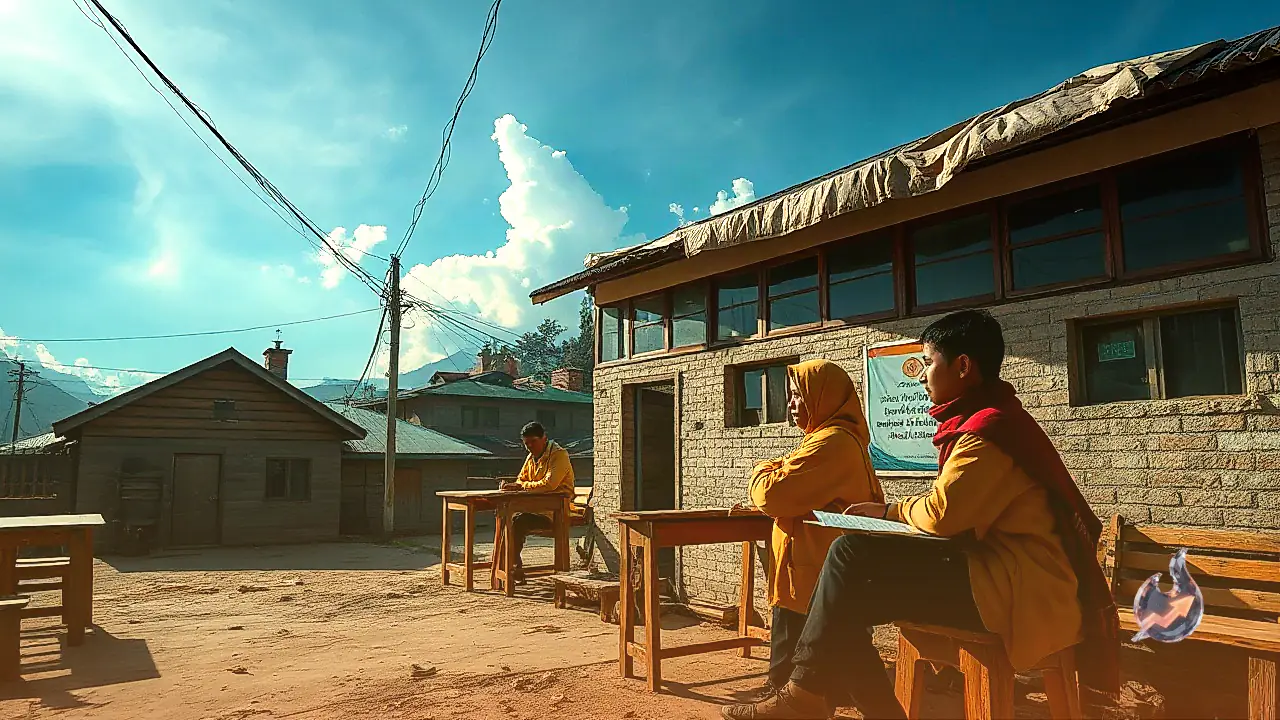


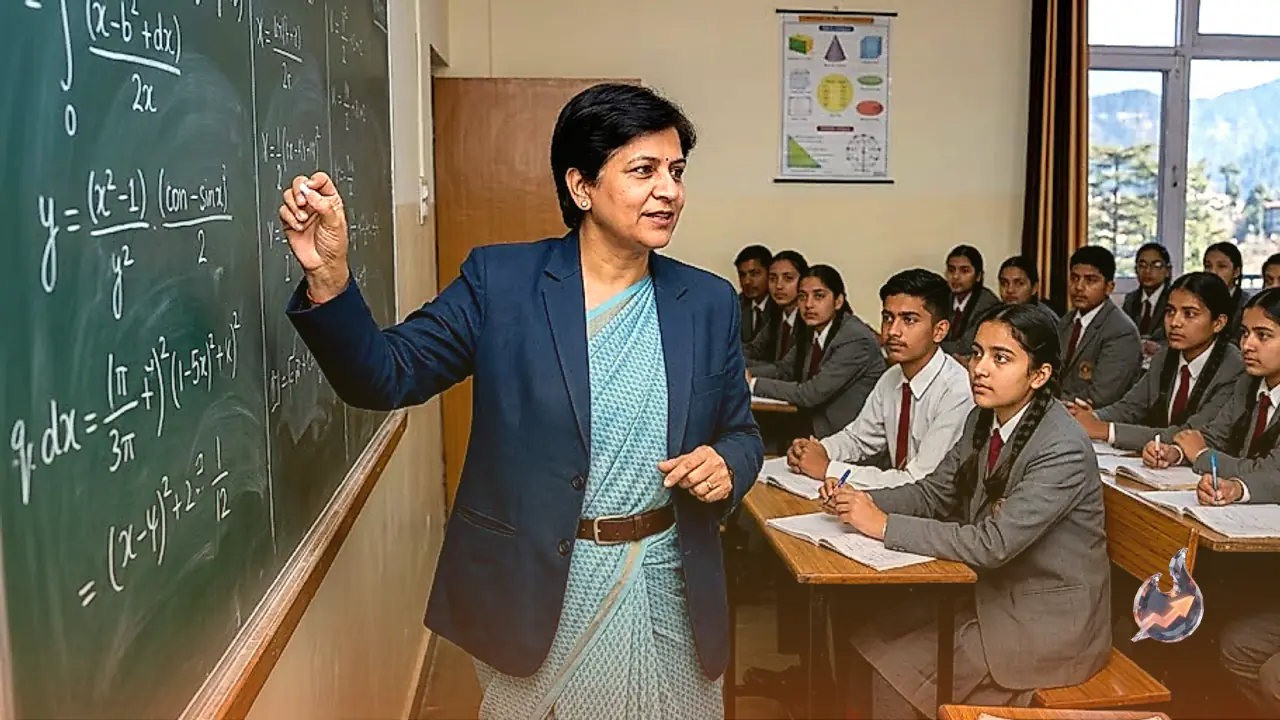














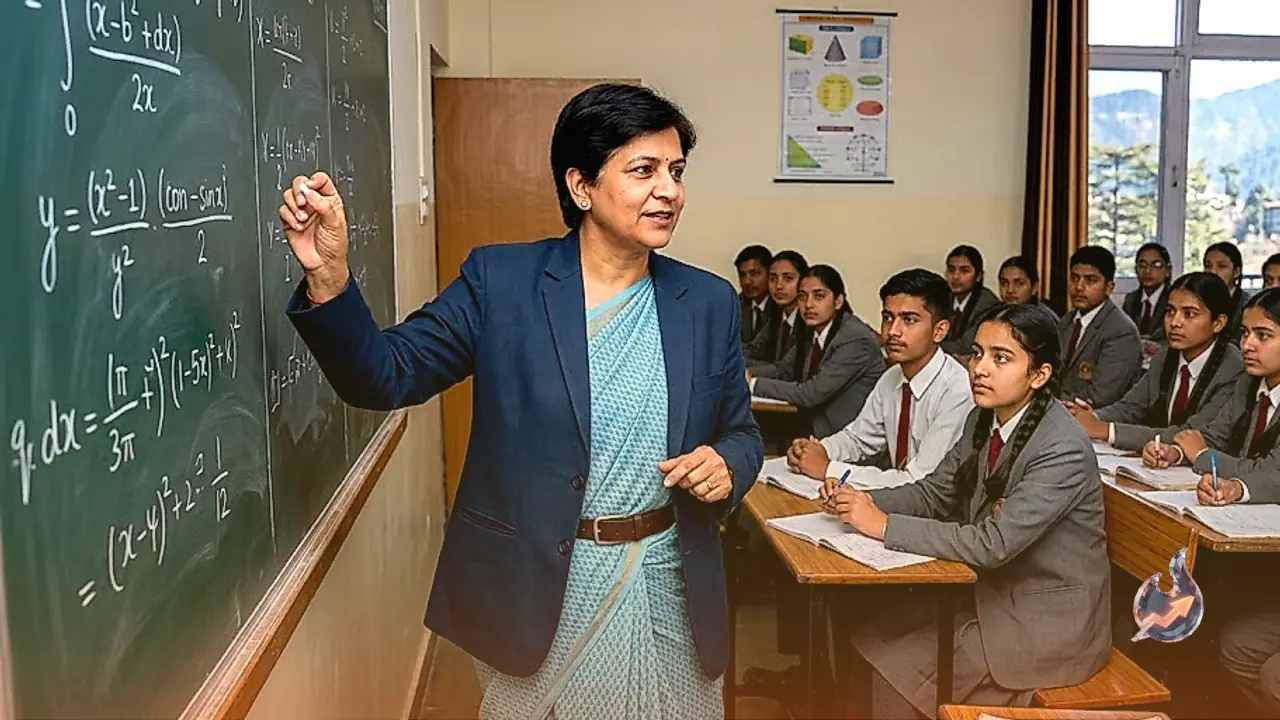

In a major administrative step to reinforce institutional discipline and professional standards, the government of Himachal Pradesh has officially implemented a uniform dress code for educators across 148 state-run Central Board of Secondary Education (CBSE) schools. Executed following directives from Chief Minister Thakur Sukhvinder Singh Sukhu, the initiative seeks to foster an organized academic environment and enhance the public standing of state schooling. Director of School Education Ashish Kohli confirmed the rollout, noting that the guidelines apply universally to all educators and heads of institutions within these designated campuses.
Climate Considerations and Designated Colour Palette
The education department formulated the attire guidelines by factoring in both workplace functionality and the distinct weather patterns found across Himachal Pradesh. The official palette for the garments includes soft lilac, lilac purple, and navy blue, creating a distinctive and cohesive visual profile for faculty members. To ensure uniformity, black has been designated as the mandatory shade for footwear and other associated functional accessories worn alongside the uniform.
Prescribed Attire for Men and Women Educators
The operational framework details specific outfit configurations for both male and female staff. Female teachers can choose a saree paired with a blazer, a kurta or tunic paired with trousers, palazzos, or salwar, or an ensemble comprising a shirt, trousers, tie, and blazer. Male instructors are required to wear a formal shirt, trousers, a tie, and a blazer. Every educator must display an official institutional identity card while on duty. Furthermore, blazers will feature the designated crest of the respective educational institution or the state education department.
Broad Coverage with Medical and Personal Exemptions
The mandate covers all teaching staff, including principals and contractual instructors hired via outsourcing agencies. However, the administrative framework incorporates sensible safeguards for special circumstances. Faculty members navigating medical needs, physical disabilities, or pregnancy may request temporary modifications or full exemptions directly from their institutional head, ensuring personal well-being is preserved alongside institutional protocol.
Attendance Controls and Expansion by 100 Campuses
The dress protocol represents one component of an overarching modernisation drive aimed at restructuring public schooling into a student-focused, accountable system. Moving forward, the state administration is preparing to introduce 100 additional CBSE affiliated government schools starting from the upcoming academic session. To maintain educational standards across these campuses, approximately 2,000 teaching posts have already been recruited. Additionally, accountability measures will be reinforced through a newly designed system requiring faculty members to log attendance three times each working day.
Incentives and Record Reforms in PM Shri Schools
Alongside oversight measures, the administration is upgrading recognition programs to honor educators who demonstrate exceptional teaching outcomes. In another significant policy shift scheduled for the upcoming academic year, state-run PM Shri schools will stop recording student category designations within formal pupil registers. State authorities clarified that this documentation change will not disrupt existing welfare provisions, and all eligible families will continue receiving statutory benefits and entitlements without alteration.