






















A major structural revision has been mandated for the upcoming viaduct bridge at the landslide-prone 9 Mile stretch in Mandi district, part of the Kiratpur-Manali four-lane national highway project in Himachal Pradesh. The local project division of the National Highways Authority of India (NHAI) had initially drafted and submitted a single-pillar structural blueprint for the site. However, during comprehensive technical evaluations in Delhi, NHAI headquarters raised specific objections regarding the single-pillar layout and formally directed the field team to reconstruct the design around a sturdier double-pillar foundation.
Tackling Chronic Landslides and Preparing the Modified DPR
The hillside at 9 Mile has experienced severe instability for a prolonged period, causing persistent transit disruptions along this vital mountain corridor. Heavy downpours during the monsoon seasons of both 2023 and 2025 triggered substantial rockfalls and cascading debris across the carriageway, stranding commuters and cutting off essential movement. To eliminate this chronic geological hazard, engineering teams finalized the concept of constructing an elevated 350-metre viaduct bridge spanning across the unstable terrain.
Project Director Varun Chari stated that the preliminary single-pillar design carried an estimated budget of ₹125 crore. Following directives from central authorities to revise the scheme, the DPR technical wing in Mandi initiated work on drafting a fresh engineering layout supported across two parallel rows of pillars. Once this revised blueprint receives internal technical clearance, the amended proposal will be dispatched back to Delhi for formal administrative and financial sanctions.
Engineering Function of Mountain Viaducts
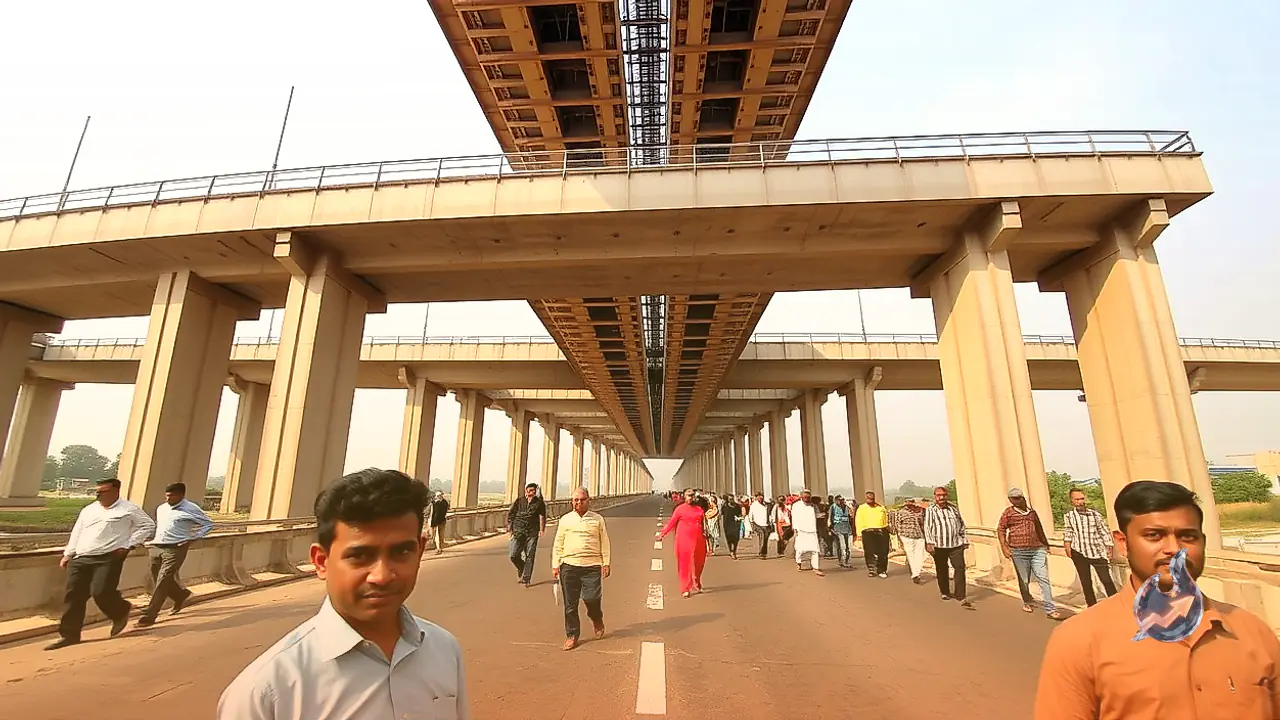
In highway engineering, a viaduct bridge operates as an elevated road deck raised high above ground level on a succession of structural pillars rather than resting directly on surface terrain. In rugged mountainous areas, this technique is strategically deployed where highways must traverse severe slope depressions, geological faults, or active slide zones. By lifting traffic overhead on elevated columns, the vehicular corridor stays entirely independent of unstable slope movements and rolling rock masses below.
₹35-Crore Retaining Wall to Secure Existing Traffic
To ensure vehicular traffic continues flowing safely along the present alignment throughout the viaduct's construction period, NHAI is simultaneously executing protective civil works on site. A comprehensive retaining structure, extending from the bottom slopes upwards, is being erected to anchor the existing road. This interim stabilization contract, valued at roughly ₹35 crore, has already been awarded to a specialized firm, and active construction is underway on location.
Infrastructure development along the Kiratpur-Manali four-lane also includes another key component at Thalout, where Himachal Pradesh's first 500-metre box tunnel is slated for development with an allocated budget of ₹200 crore to provide significant long-term ease for tourists.