















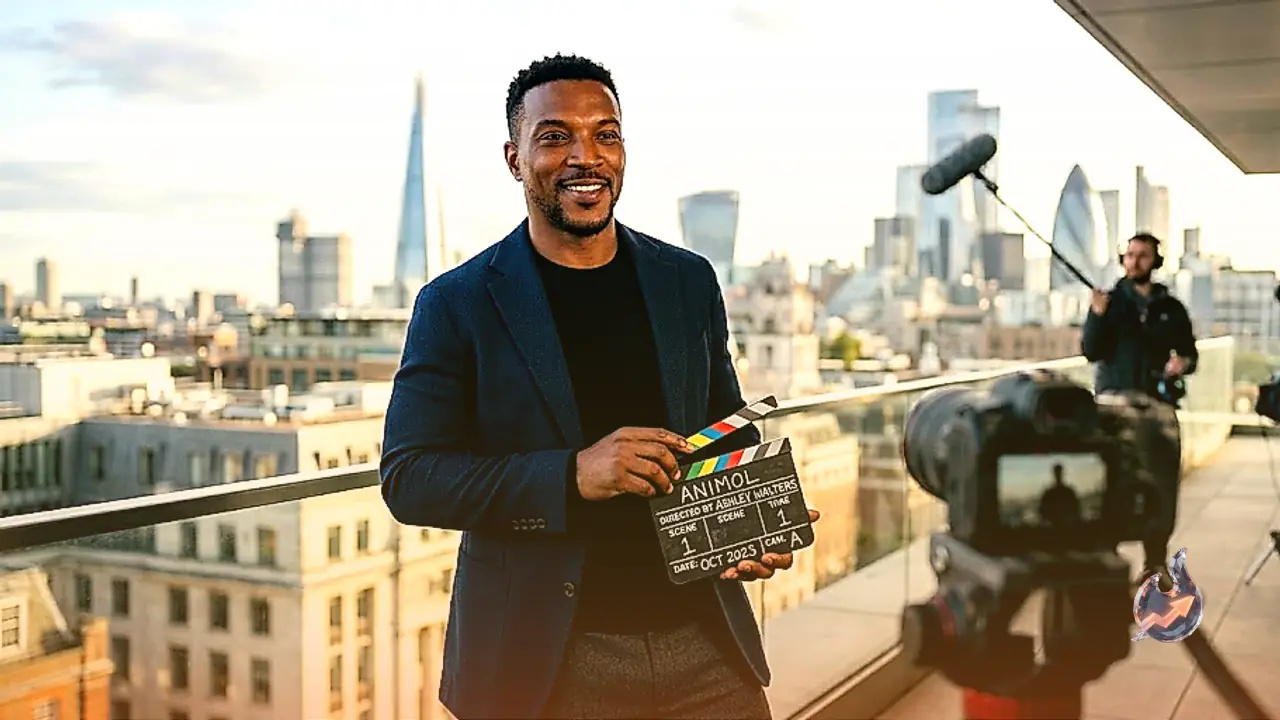

British actor Ashley Walters is embarking on a defining new phase of his creative journey by stepping into the director's chair for his debut feature film, Animol. Having transitioned from a prominent music career with the UK garage collective So Solid Crew and early television appearances to becoming a leading dramatic presence in British television and cinema, Walters brings decades of lived experience and artistic evolution to this ambitious project.
The impetus to direct first materialized when established production systems told him he lacked the necessary background. While serving as an executive producer on major productions such as Top Boy and Bulletproof, Walters sought contractual provisions allowing him to direct individual episodes. When production companies turned down those requests citing inexperience, the refusal served as a catalyst rather than a roadblock. Throughout his acting career, he had maintained a keen observational focus on directorial technique and on-set dynamics.
Developing a Distinct Directorial Voice
Prior to helming a full-length feature, Walters honed his directorial craft across television episodes of Ackley Bridge and A Thousand Blows. Moving past early hesitations when collaborating with veteran department heads, he developed the confidence to prioritize his creative instincts over conventional methodologies, creating an authentic cinematic language. For Walters, the filmmaking process represents a unique transformation, passing from script to director, editor, and ultimately to the audience's personal interpretation.
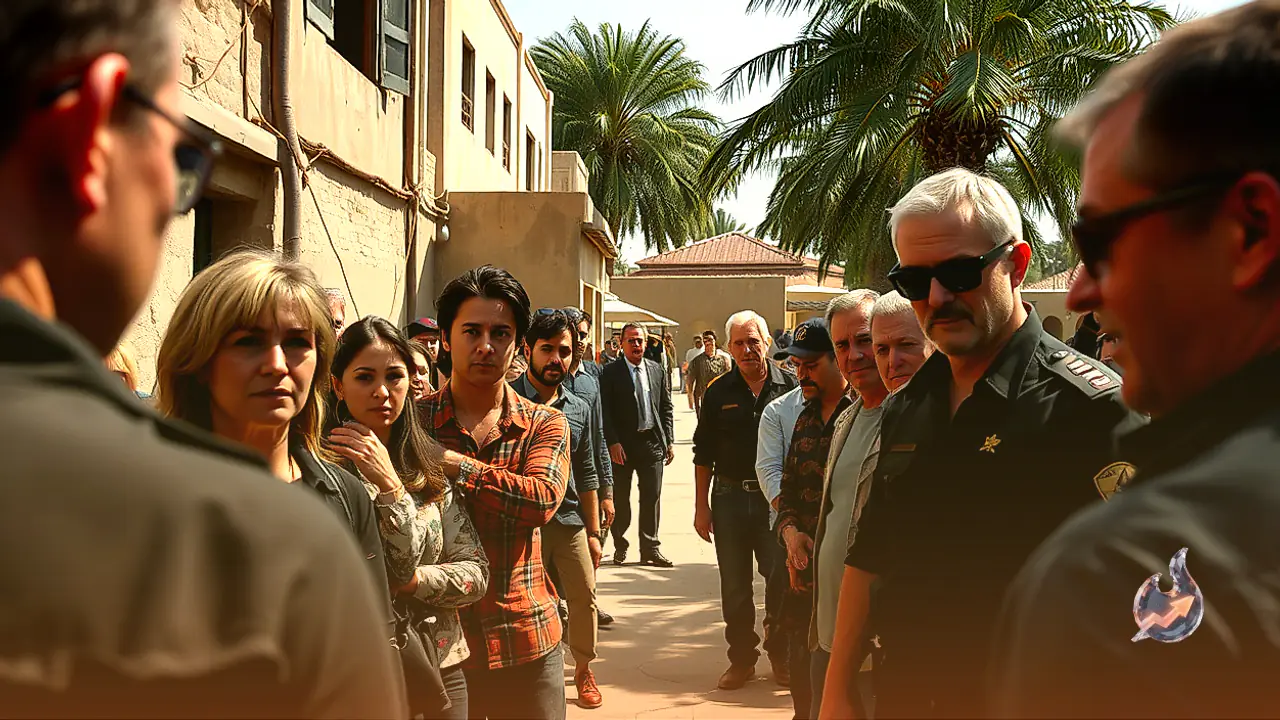
Written by Nick Love, the narrative of Animol centres on a challenging prison environment with an unexpected queer romantic relationship at its core. Walters embraced the subject matter directly, motivated by observations from his own period of incarceration where marginalized individuals faced severe hostility. Confronting the biases of his upbringing, his broader career in television and film reshaped his perspectives on identity and inclusivity, making the project deeply personal.
Authentic Spatial Design and Visual Texture
The visual framework of the film reflects Walters' direct recollections of custodial life, incorporating practical details such as colour-coded identification armbands and specific wing architecture. Through the narrative journey of the central character Troy, played by Tut Nyuot, the film explores the necessity of projecting outward toughness and performative masculinity simply to navigate vulnerable and threatening environments.
Rather than adopting the bleak, desaturated colour palettes frequently utilized in standard British urban thrillers, Walters chose a rich and immersive visual aesthetic. Drawing on his memories of growing up in Peckham, South London, he sought to depict the setting from the lived viewpoint of the community inside rather than from a detached external observer, emphasising warmth and vitality over grim stereotypes.
Navigating Representation and Industry Scrutiny
After starring in numerous gritty social dramas throughout the mid-2000s, Walters consciously sought to diversify his acting portfolio before being drawn back by the compelling writing of Top Boy. Addressing long-standing conversations regarding screen depictions of working-class Black communities, Walters emphasizes that authentic storytelling grounded in real lives was always the core objective.
He notes that creative movements from historically marginalized groups often begin by addressing their immediate social realities before branching out into wider narrative genres, including romantic comedies, high-concept action, and superhero stories like Rapman's Supacell. For Walters, creative growth requires moving beyond rigid categorizations and allowing artists the freedom to explore diverse genres.
Creative Partnerships and Future Horizons
The film marks another collaboration between Walters and actor Stephen Graham, who portrays a prison social worker. Having first shared the screen in the 2004 comedy Top Buzzer, the pair have recently reunited across projects like A Thousand Blows and the critically acclaimed drama Adolescence. Walters highlights Graham's thorough script interrogation and creative assertiveness as major influences on his own approach to performance and leadership.
Looking toward classic narrative cinema for inspiration, Walters cites foundational films like The Goonies, Stand By Me, Flight of the Navigator, and The Mighty Ducks as touchstones for compelling underdog arcs. Among his future directorial plans is a project centred on Khadijah Mellah, the Peckham-born jockey who won the Magnolia Cup, inspired by a desire to bring uplifting, representative stories to the screen for younger generations.
Alongside his directing work, Walters continues to perform in high-profile feature projects, including M. Night Shyamalan's upcoming supernatural romance Remain alongside Jake Gyllenhaal and Phoebe Dynevor. Reflecting on the unpredictable nature of the entertainment industry, Walters underscores the value of daily dedication, respectful collaboration, and genuine focus on craft over external validation.