



















Robert Eggers has previously treated audiences to witches, Vikings, vampires, and perhaps his most imposing monster of all: the manic lighthouse keeper played by Willem Dafoe. His films are deeply rooted in folklore, driven by a commitment to macabre detail that creates unsettling experiences. Given this track record, it is clear that audiences can trust Eggers to handle the subject of lycanthropy with a unique, grounded intensity in his latest film, Werwulf.
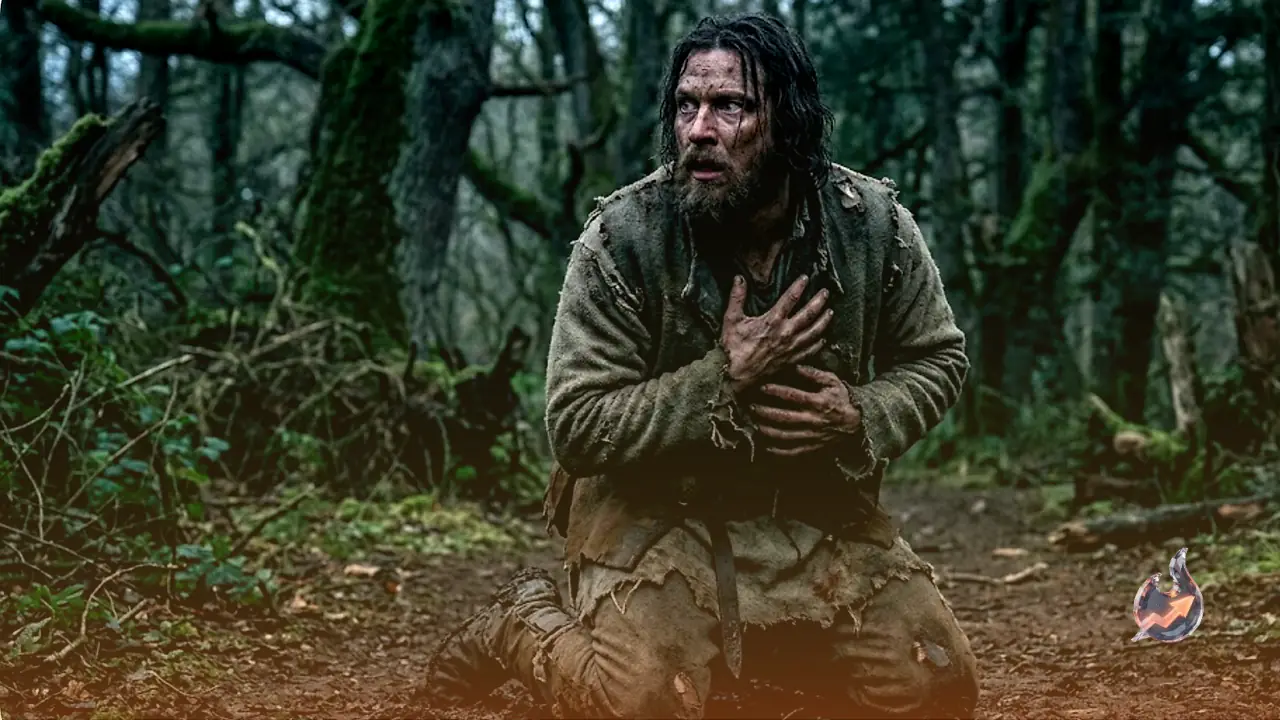
Set at the dawn of the 14th century, Werwulf features Aaron Taylor-Johnson as a nameless farmer grappling with a dark, hair-raising secret. As his wife, played by Lily-Rose Depp, desperately pleads in the trailer, “Keep my husband safe from his cursedness.” When asked if this story centers on uncontrollable urges or a severe case of anger management, Eggers simply laughs and notes that we are on the right track.
The Mythology of the Moon
The trailer opens with a full moon, an icon of werewolf lore. Addressing this, Eggers explains that while the connection between full moons and werewolves is often cited as a modern cinematic invention, he discovered an ancient English text, predating the film's historical setting, that links werewolves to the lunar cycle. Coupled with similar references in Icelandic literature, he felt compelled to embrace it.
Grounding the Monster
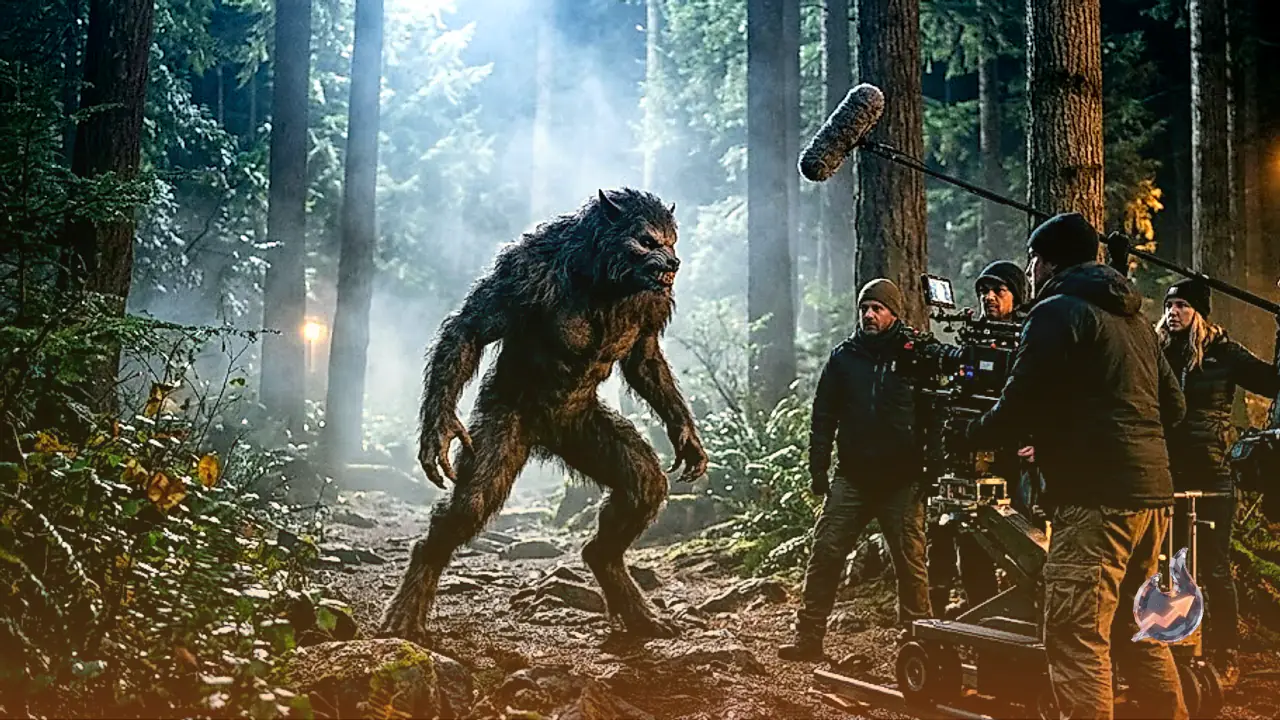
For Eggers, the key to avoiding the tropes of typical werewolf cinema is to return to original folklore. The clichés that haunt the genre vanish when you dig into the source material, which provides a refreshing perspective. He acknowledges the difficulty of making a monster believable, noting that werewolf movies often fall into the trap of using unconvincing men in suits or over-reliance on CGI. He cites the original Alien as a masterclass in horror, where the monster remains a terrifying, shadowed mystery.
Casting Aaron Taylor-Johnson
Eggers explains that Aaron Taylor-Johnson was chosen for his dance background and exceptional physical athleticism. In collaboration with movement artist Marie-Gabrielle Rotie, who also worked with Lily-Rose Depp on Nosferatu, Taylor-Johnson brought an incredible physicality to the role. According to Eggers, it was difficult to find another actor capable of balancing traditional masculinity with such internal fragility and pathos. He describes the performance as truly harrowing and expresses immense pride in the work.
Formative Trauma
The film spends significant time with the protagonist as a young man. Eggers notes that historical cases of people accused of being werewolves often involved individuals who had committed horrific acts, which society struggled to comprehend as human. He believes these historical figures often suffered from severe childhood trauma. While he clarifies that he isn't suggesting trauma directly causes lycanthropy, he is certainly using the film to explore those underlying, unspoken histories.
The Religious Lens
The film is set around 1300, a time when life in England was viewed entirely through a Catholic lens. This period was selected because it marks a turning point in British history: a knight and hunter was commissioned by the king to eradicate wolves to protect the wool industry. By the time of Henry VIII, there were no wolves left, and consequently, no werewolf lore. To make the film authentic to an English setting, it had to be placed in this specific, early period.
Willem Dafoe and Lily-Rose Depp
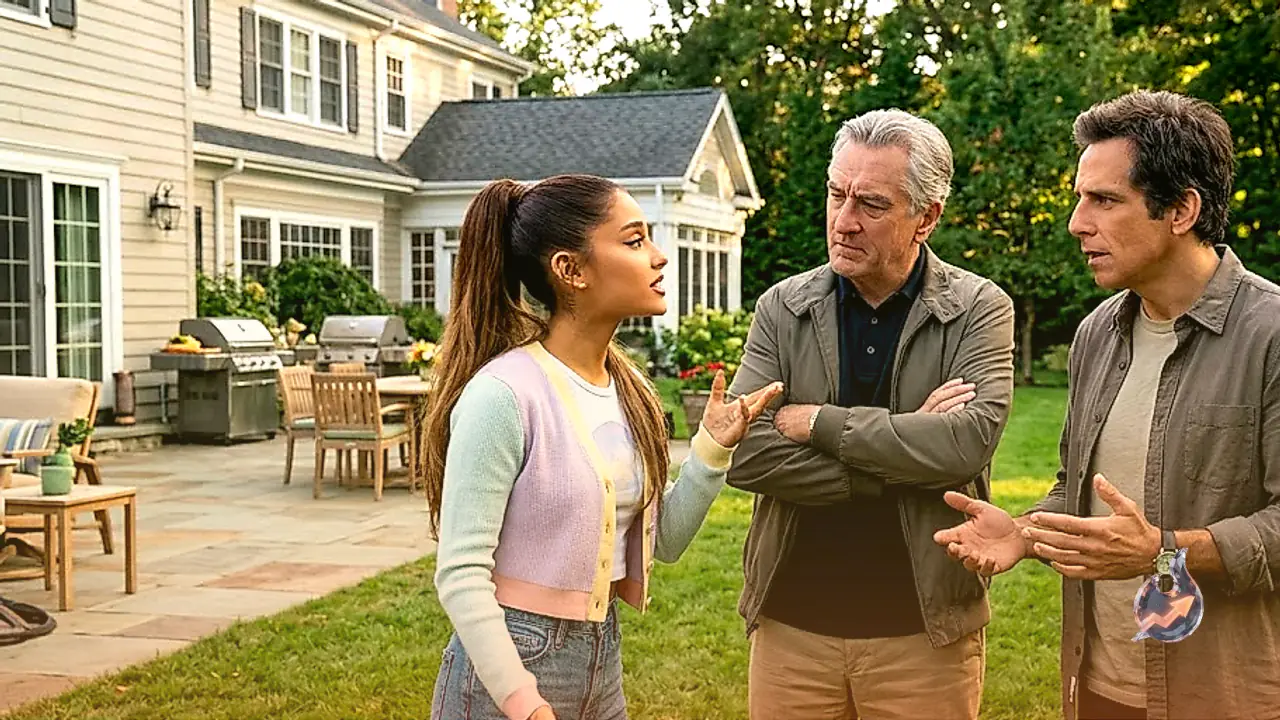
Willem Dafoe returns to work with Eggers in a role that is distinct from his previous collaborations. Dafoe plays an antagonist, and Eggers hints that the character is inspired by the historical figures he researched. Meanwhile, Lily-Rose Depp plays a medieval farmer's wife, a character vastly different from her role in Nosferatu. Eggers praises her for embracing the physical challenges of the role and grounding the film, calling her the heart of the movie.
Visual Texture
Working with cinematographer Jarin Blaschke, the team sought a unique look. The film was shot on color film but heavily desaturated. They utilized an orthochromatic post-process to ensure skin tones look appropriately weathered. By replicating the grain structure of black-and-white film, they achieved a textured, gritty look. Eggers intends for this visual style to make the misery of the medieval world feel visceral. He emphasizes that the audience should be able to smell the filth and mud, asserting that if you aren't smelling the grime, you aren't experiencing the movie properly.
Werwulf arrives in UK cinemas on January 1, 2027.