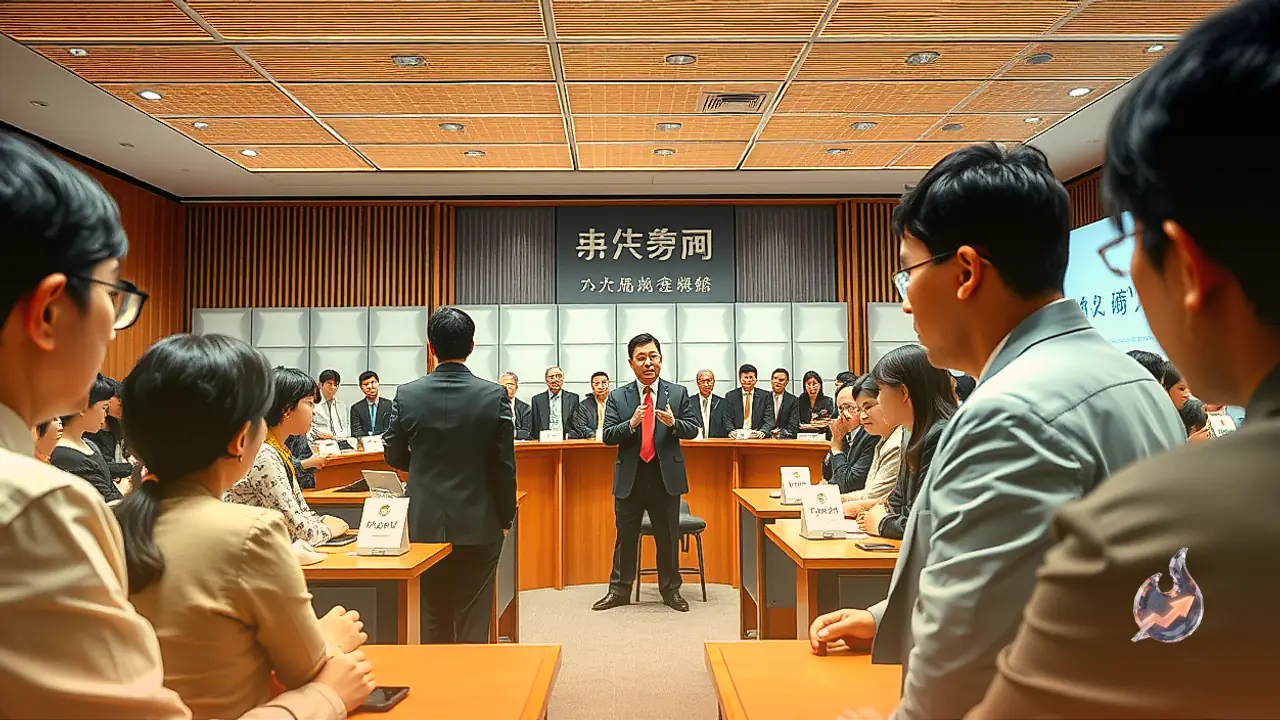
















A notable geopolitical shift is currently unfolding across South and Central Asia, marked by Moscow moving well past diplomatic overtures to forge functional military and security ties with the rulers in Kabul. Roughly a month ago, Pakistan Prime Minister Shehbaz Sharif appeared keen to engage Russian President Vladimir Putin during the SCO Summit held in Bishkek. Yet, contemporary developments reveal Russia steadily cultivating ties with Islamabad's most intractable neighbor: the Taliban. In this evolving strategic setting, Russia is convening the eighth Moscow Format consultations on Afghanistan, drawing participation from India, Pakistan, Afghanistan, China, Iran, and Central Asian states. Moscow's engagement with the Taliban has expanded considerably beyond diplomatic conversations, extending into military equipment provision and operational training, with Taliban personnel having already observed major Russian military maneuvers.
Defense Coordination and Technical Agreements Between Moscow and Kabul
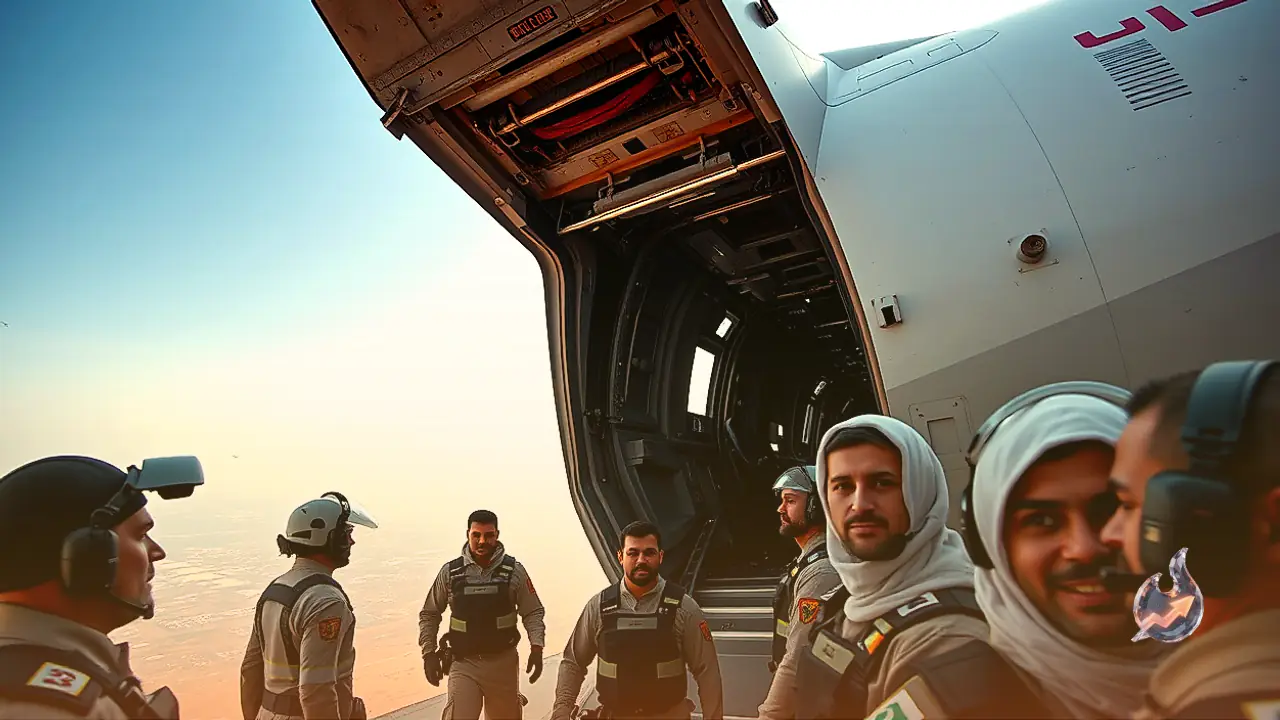
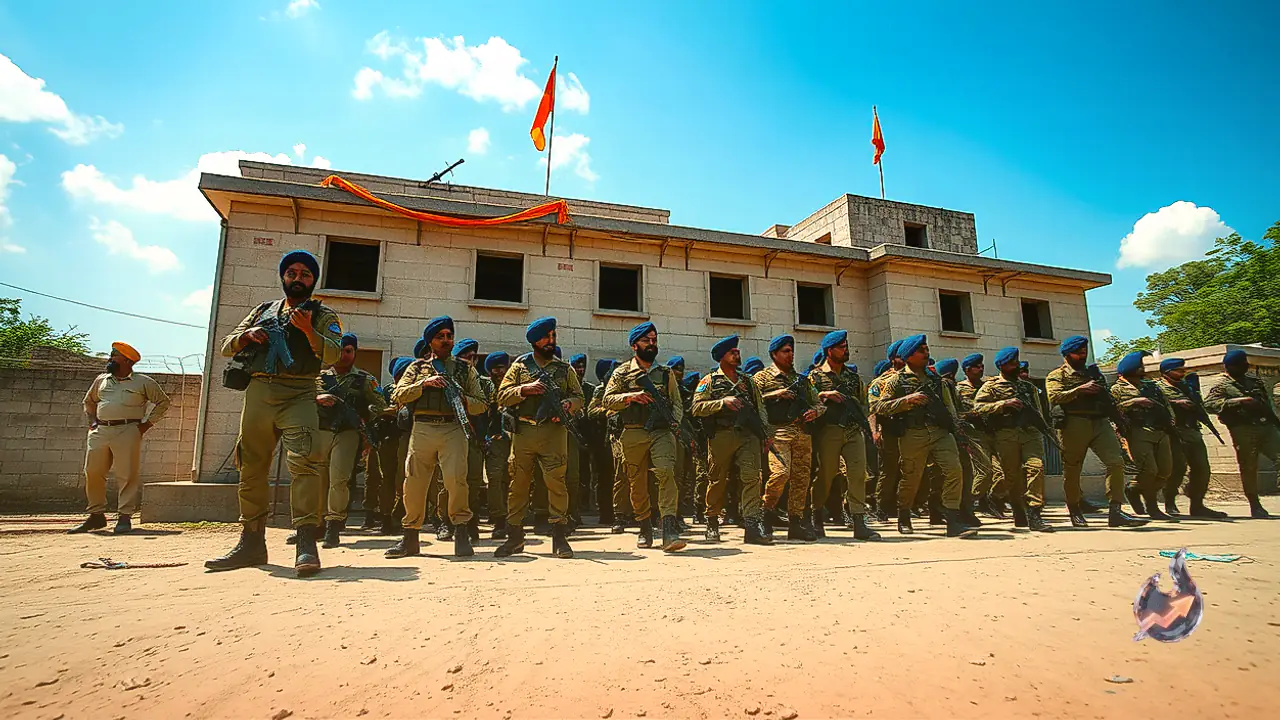
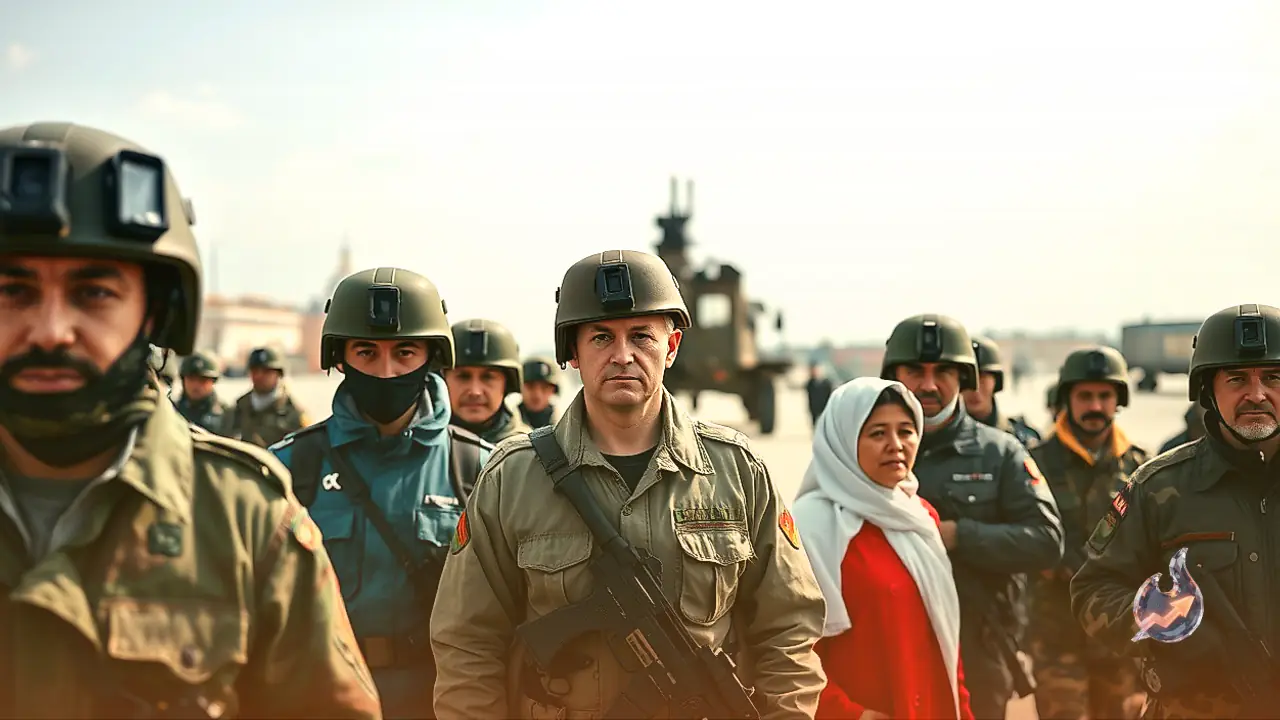
Official engagements between Russia and the Taliban have moved past routine diplomatic encounters into practical defense cooperation. The Ministry of Defence in Afghanistan confirmed that an official military delegation traveled to Russia following a direct invitation from Moscow. In October, a high-level Taliban military delegation attended Russia's strategic Center-2026 military exercises. During these exercises, the visiting delegation observed extensive operational displays featuring heavy armaments, unmanned aerial vehicles, extended-range missiles, and automated combat systems. Alongside observing these field maneuvers, the delegation held targeted discussions with Russian officials focusing on military experience, professional training curricula, and defense collaboration.
This cooperative momentum solidified further on 27 May 2026, when Russia and the Taliban concluded a formal military-technical cooperation agreement. While the precise clauses of this bilateral arrangement remain classified, Moscow has explored establishing specialized training facilities to assist Taliban technicians in maintaining and servicing defense hardware. Additional accounts suggest that Russian instructors are assisting Taliban personnel with advanced operational training and modern gear. Such defense cooperation marks an extraordinary reversal for Moscow, given that Russian policymakers previously viewed the Taliban as a potent national security challenge, an enmity rooted in a conflict that began nearly five decades ago.
The Long Arc From Soviet Conflict to Practical Security Alignment
Nearly fifty years ago, Soviet forces deployed directly into Afghan territory, initiating years of bitter warfare and institutional friction between Moscow and Afghan factions. For decades following that conflict, Russian authorities viewed the Taliban with deep apprehension, anxious that hardline Islamist extremism emerging from Afghanistan could spill over into the sovereign territories of Central Asian states. Everything altered dramatically in August 2021 when the United States withdrew its forces from the country, facilitating the Taliban's rapid return to power in Kabul. Moscow recognized that enforcing diplomatic isolation against the Taliban would strip Russia of leverage and leave it blind to internal Afghan security realities.
Driven by regional pragmatism, Moscow initiated direct contacts with Kabul, beginning with basic diplomatic channels before broadening into security consultations and economic cooperation. This strategic convergence reached an unprecedented milestone in July 2025, when Russia granted full formal diplomatic recognition to the Taliban administration, becoming the first nation internationally to take that step. Today, this bilateral framework is shaped not by shared political philosophy, but by hard-nosed security concerns, regional influence, and transactional national interests.
Moscow's Regional Calculations and Security Imperatives
Moscow's strategic overtures toward the Taliban are underpinned by clear security and geopolitical objectives. Foremost among them is regional stability along its southern periphery. Russian defense planners require Kabul's active containment of extremist outfits like ISIS-K, fearing that transnational militants could establish sanctuaries inside Afghanistan and launch destabilizing incursions into Central Asia or Russian territory. Another central objective is geopolitical presence. The sudden departure of American forces in 2021 left an immense power vacuum across the region. Moscow is determined not to surrender that strategic theater exclusively to China, Pakistan, or other regional rivals, recognizing that maintaining active ties with Kabul guarantees Russia an enduring seat at the regional table.
Managing Pakistan's regional role represents another critical dimension of this puzzle. With relations between Islamabad and Kabul fractured by deep mutual distrust, Russia aims to position itself as a credible regional arbiter working toward Afghan equilibrium, using the multilateral Moscow Format as an instrument of diplomatic leverage. Moscow's core aims remain straightforward: preventing extremist contagion from Afghanistan, consolidating Russian influence across Central and South Asia, and maintaining robust lines of communication with whoever holds power in Kabul.
Rising Anxieties in Islamabad Over Eroding Leverage
The burgeoning military interaction between Moscow and the Taliban introduces severe complications for Pakistan. Islamabad's anxiety stems not from any sudden hostility with Russia, but from the rapid erosion of its own historical leverage over Afghan affairs. Pakistan historically exercised deep political and security influence across Afghanistan, yet bilateral ties have deteriorated sharply since the Taliban reclaimed authority in 2021. The primary driver of this confrontation is the Tehreek-e-Taliban Pakistan (TTP). Pakistani officials consistently allege that the Taliban allows TTP operatives to organize, shelter, and launch deadly cross-border strikes from Afghan soil. Kabul rejects these assertions entirely, accusing Pakistan of violating Afghan territorial sovereignty through retaliatory measures.
The prospect of Russian military hardware and professional operational instruction reaching Taliban fighters threatens to alter the balance further. A better-equipped, militarily capable Taliban administration becomes far less reliant on Pakistani logistical support or diplomatic backing. As Moscow secures independent and direct access to Kabul, Islamabad finds itself sidelined from its traditional sphere of strategic depth, heightening vulnerabilities along its western frontier.
Strategic Implications and Priorities for New Delhi
While Pakistan monitors the erosion of its regional sway, India has compelling reasons to track Moscow's maneuvers with heightened attention. This growing relationship does not signal an adversarial military bloc directed against New Delhi. India has sustained continuous humanitarian and developmental engagement with the Afghan population even following the Taliban's takeover. Official data released by the Ministry of External Affairs reveals that India has delivered 50,000 tonnes of wheat along with 300 tonnes of critical medicines and medical provisions to Afghanistan since August 2021. Given that Russia remains one of India's preeminent and long-standing strategic partners, Moscow's growing footprint in Afghan affairs carries substantial relevance for Indian foreign policy.
New Delhi's strategic focus centers on three crucial parameters. First, policymakers must evaluate whether Russian training and hardware significantly upgrade the Taliban's overall military capabilities. Second, Indian analysts are monitoring whether Moscow's close ties with the Taliban alter the trajectory of Russian relations with Pakistan. Third, India is observing whether Russia will leverage its sway over Kabul to compel meaningful cooperation against transnational terrorist networks. The multilateral Moscow Format conference provides India with a direct diplomatic venue to observe and participate in these regional processes, focusing specifically on counter-terrorism, border security, and counter-narcotics efforts. Rather than taking sides, India's task is to navigate these shifts vigilantly, ensuring its security concerns remain fully protected across the changing regional landscape.