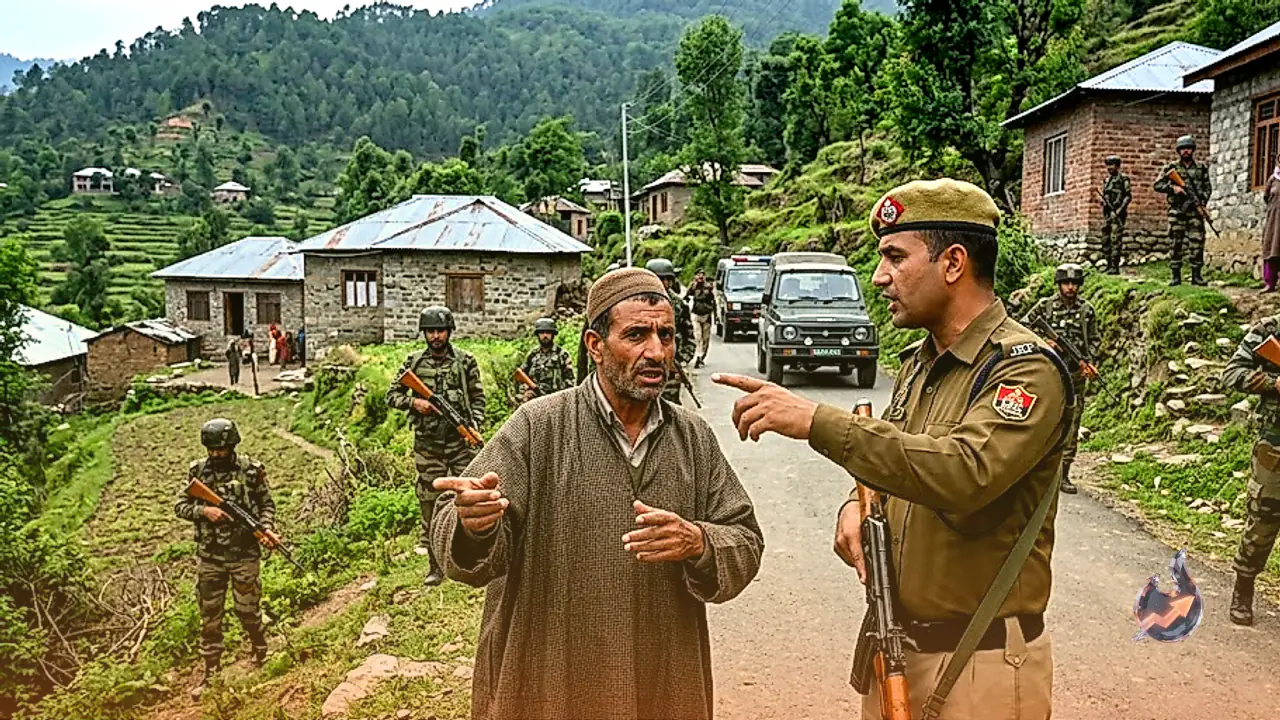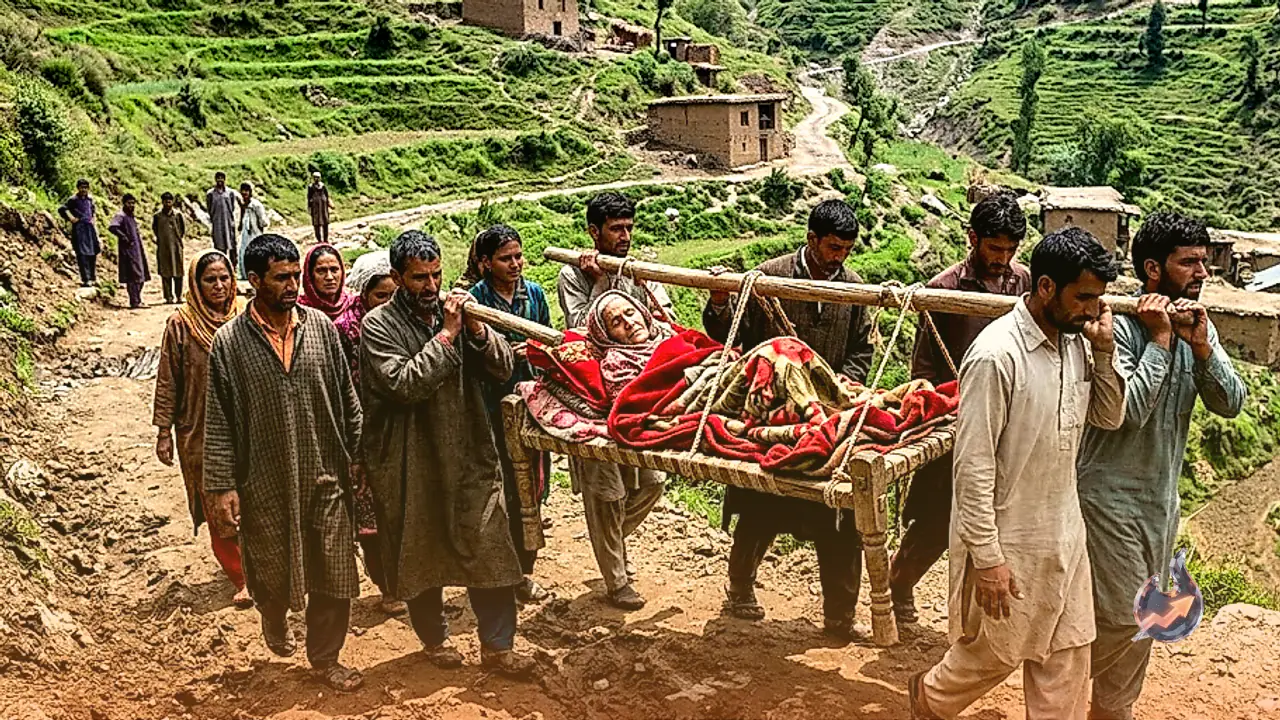

























The escalating menace of aggressive and potentially rabid stray dogs has triggered severe panic in the Kotranka area of Rajouri district, Jammu and Kashmir. Fear seized local hamlets after a pack of stray canines launched sudden attacks, injuring seven residents. In response to the alarming public safety situation, local authorities ordered an immediate one-day closure of educational institutions across eight administrative panchayats. Furthermore, to reassure the terrified populace and prevent further violent incidents, personnel from the CRPF were deployed across the affected rural zones.
Educational Shutdown Across Eight Remote Hilly Panchayats
The administrative shutdown directive specifically covered schools in the panchayats of Jaglanoo, Mohra-A, Mohra-B, Hubbi, Larkuti, Kandi Upper, Kandi Lower, and Khadyeun. Nestled within rugged, mountainous terrain, these communities consist of widespread villages and isolated homesteads where residents must traverse long stretches on foot. The vulnerability of school children and daily commuters in such remote areas led officials to issue an urgent advisory urging parents to keep children indoors unless strictly necessary. However, the sudden disruption of routine life highlights the severe impact of animal attacks on rural infrastructure.
Paramilitary Deployment Sparks Skepticism Over Long-Term Safety
While the administrative response included mobilizing CRPF troops to monitor public spaces, local citizens have expressed doubts regarding the efficacy of these short-term measures. Residents and small business owners questioned whether a single-day school closure could truly neutralize a lingering biological and physical threat. Community members asked how the safety of shopkeepers, farmers, and outdoor workers would be preserved while schools remained closed, and what security guarantees would exist when students returned to classes the following day. Locals emphasized that deploying paramilitary units for animal control highlights administrative desperation rather than a sustainable municipal strategy.
Widespread Incidents of Canine Violence Across the Nation
The crisis in Rajouri reflects a troubling nationwide surge in canine attacks that have repeatedly captured public concern. Recent shocking footage showed five to six feral dogs viciously mauling a young child in a public area. Another terrifying video from Kerala documented a severe stray dog assault on an elderly woman. The danger is not limited to stray packs alone; in Patiala, Punjab, a domestic pitbull viciously attacked a married couple, leaving the wife critically injured and requiring emergency treatment in an ICU ward. These recurring tragedies emphasize the urgent need for comprehensive policy intervention.
Demands for Active Dog-Catching and Rabies Screening Campaigns
Villagers in Kotranka are calling on authorities to look beyond temporary advisories and execute concrete, ground-level solutions. The affected communities demand an immediate joint operation involving veterinary and health personnel to capture stray dogs, conduct systematic rabies testing, and safely isolate infected animals. Residents maintain that until structured animal control, sterilization, and vaccination campaigns are actively carried out on the ground, temporary school closures will fail to restore safety or confidence in the region.