





















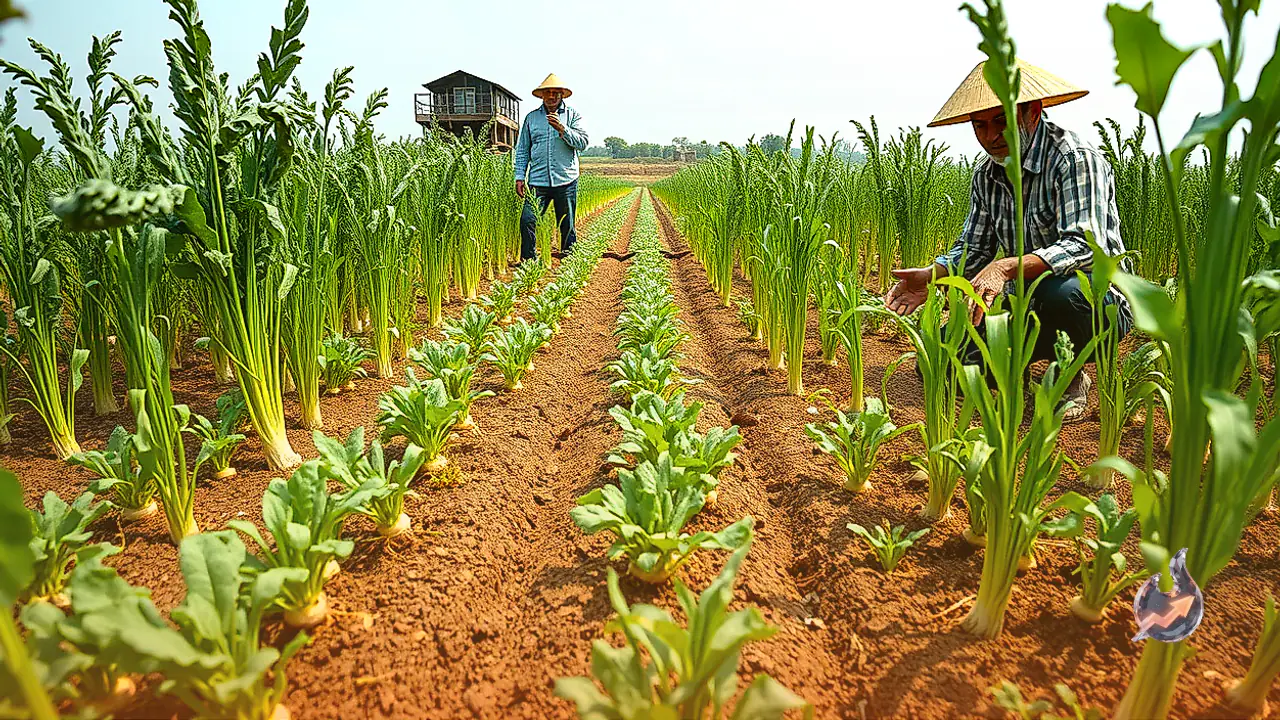

Earning a dependable profit from agriculture does not necessarily require owning expansive fields or multiple acres of farmland. With meticulous planning and the selection of quick-maturing vegetables that enjoy steady market demand, growers can turn even very small parcels of land into lucrative assets. October serves as a critical juncture on the agricultural calendar, offering an ideal window for planting seasonal vegetables. During this period, farmers can efficiently utilize not just their agricultural plots but also small idle patches of soil around their homes. Radish cultivation presents a practical and accessible option under these conditions, needing as little as one or two katthas of land to get underway.
Selecting the Right Crop for Limited Landholdings
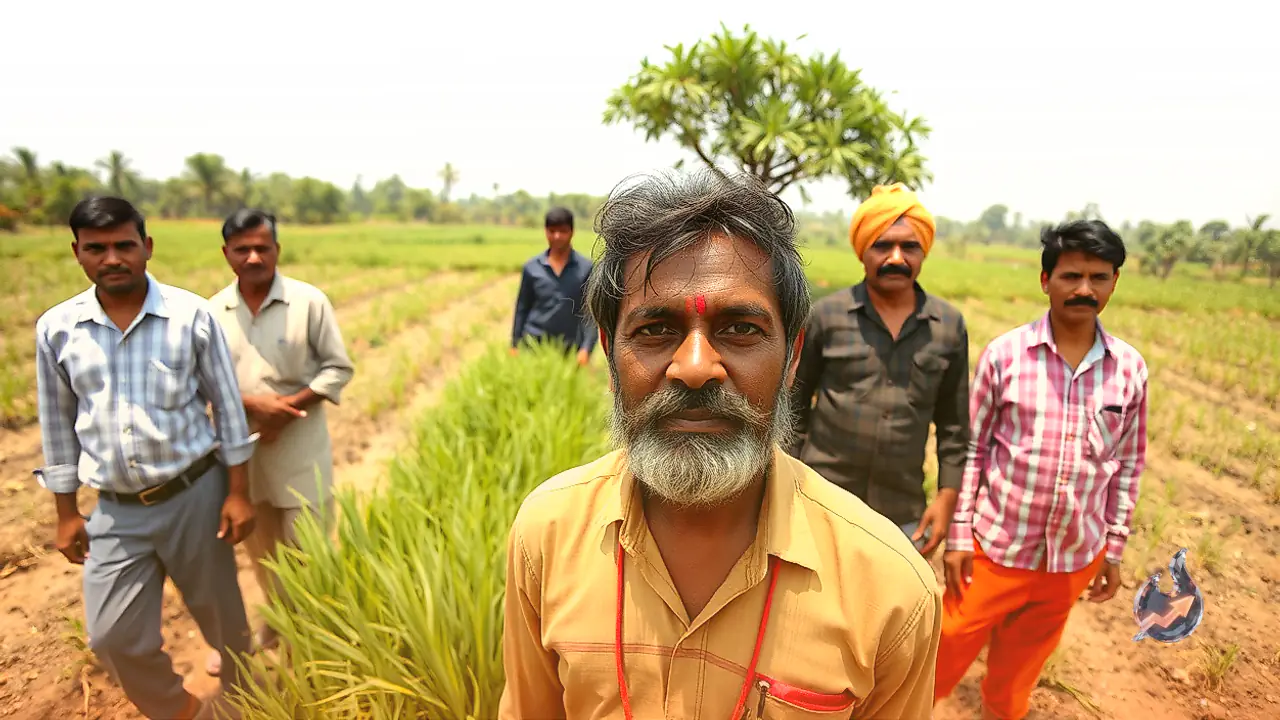
Addressing common misconceptions about farming profitability, Deoghar block agricultural officer Shashank Shekhar pointed out that many growers mistakenly believe that farming generates meaningful earnings only on expansive properties. In practice, a farmer possessing just one or two katthas of soil can secure a healthy income by choosing suitable crops that match the scale of the plot. Radish fits this requirement well because it flourishes in confined spaces and matures rapidly. This swift harvesting timeline frees up the parcel quickly, granting growers the flexibility to prepare the soil and sow their next seasonal crop without prolonged delays. Smallholders and marginal producers can leverage this swift rotation to generate consistent, incremental revenue.
Recommended Radish Varieties for October Sowing
Deciding which variety to plant during October remains a vital step toward securing high yields and maximizing market value. According to the agricultural officer, Hilqueen and Chetan stand out as particularly rewarding radish varieties for growers. Farmers can select between these two based on their specific soil conditions, moisture levels, and available growing area. By planting these specific varieties on small plots, cultivators can achieve dependable harvest volumes and sell the fresh produce directly in local markets to improve earnings. This approach holds immense importance for small and marginal landholders, whose constrained acreage drives them to seek crops that require minimal upfront capital while delivering rapid turnaround times.
Prioritizing Organic Fertilizers Over Chemical Inputs
Proper soil nutrition and sustainable agronomic practices are essential components of successful radish farming. Rather than saturating the crop with excessive chemical fertilizers, growers are advised to rely on organic and natural manures. Adopting bio-fertilizers preserves long-term soil health and moisture balance while enhancing the crispness, color, and culinary quality of the harvested roots. Shashank Shekhar emphasized that when farmers adhere to recommended practices from land preparation through to balanced organic fertilization, crop performance improves substantially, enabling smallholders to extract maximum returns from limited acreage.