


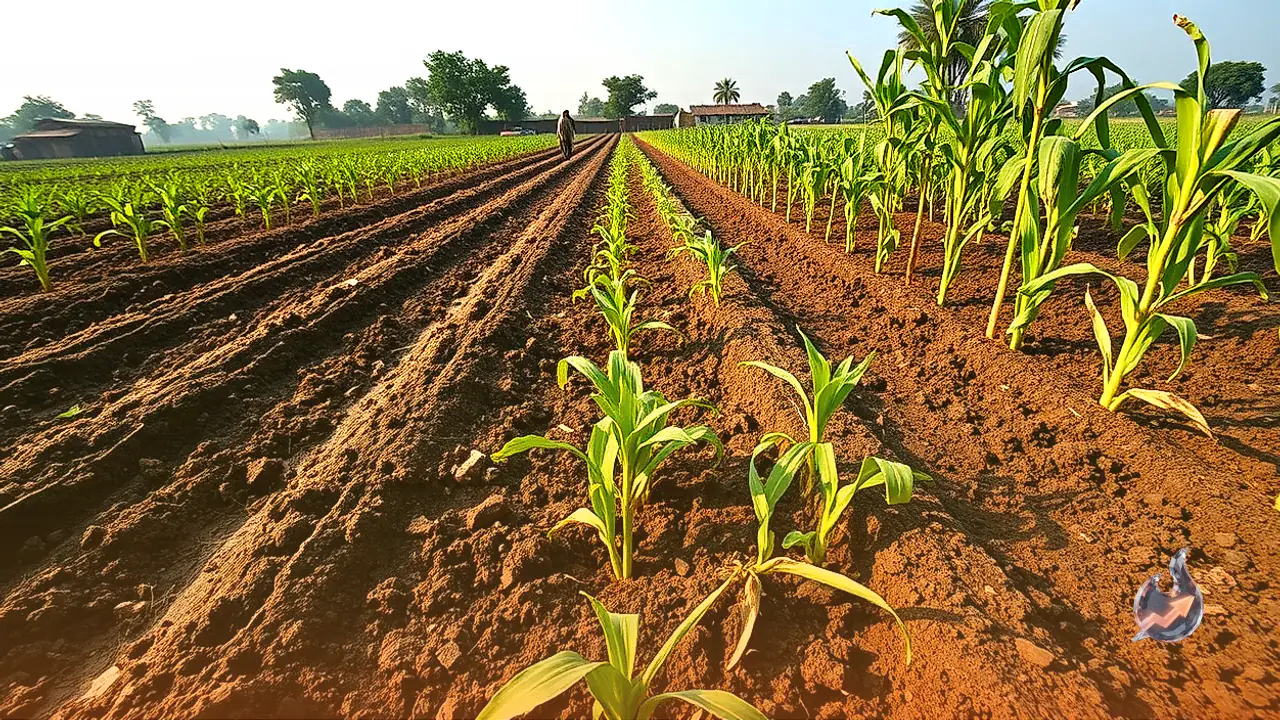

















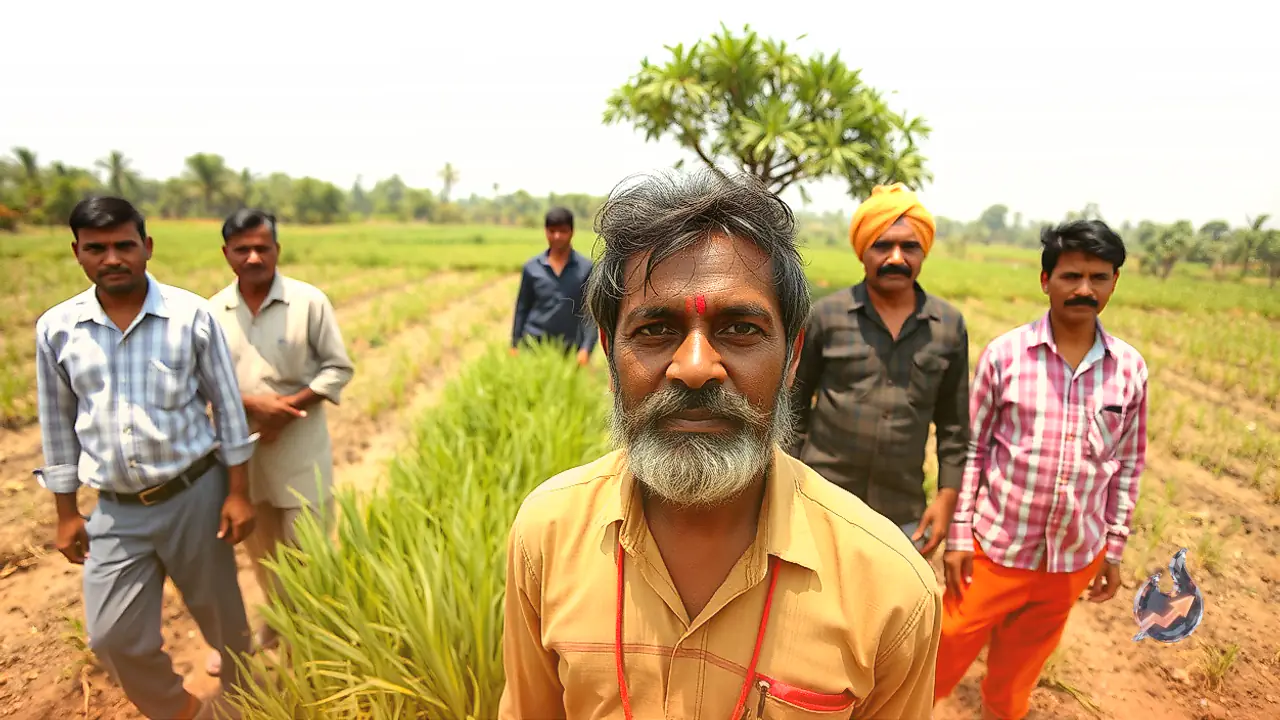

Farmers seeking alternatives to conventional agriculture are discovering that specialized commercial forestry can generate consistent financial returns over decades. In Ranchi, the capital of Jharkhand, a grower named Vijay has dedicated one acre of his land to lac cultivation, demonstrating how thoughtful crop planning provides sustainable security. His current plantation consists of young saplings that stand barely 4 feet tall. Despite their modest stature, each four-foot plant is already producing between 1 and 2 kilograms of raw lac. The complete production cycle requires roughly 5 to 6 months to reach maturity, after which the harvest is ready for commercial extraction.
Guaranteed Procurement as Direct Buyers Visit the Farm
One of the principal advantages of producing lac is the seamless marketing arrangement that eliminates retail hassle for the grower. Vijay points out that once the harvest reaches maturity, he simply places a telephone call to procurement representatives. Large industrial buyers then travel directly to the farm premises to purchase and collect the entire stock, saving the grower from transporting goods to distant wholesale mandis. The industrial demand for lac remains exceptionally strong across multiple sectors. Major manufacturing units require natural lac to formulate organic paints, while artisans and craft workshops utilize it extensively to manufacture traditional bangles and specialized decorative items. Because suppliers are limited, manufacturing firms actively track down active plantations to secure steady inventory directly from the source.
Immediate Cash Flow and Twenty Years of Sustained Harvest
Unlike standard timber or fruit plantations that require years of idle waiting, lac yields monetary returns even during the initial growth phases. Over the next five to six months, as the plants gain structural size and broader branching, yield output per tree is projected to rise to 15 to 20 kilograms. In commercial markets, the commodity commands a prevailing price between 900 and 1000 rupees per kilogram. At that rate, an individual mature tree possesses the earning capability of delivering around one lakh rupees in gross value. Vijay notes that starting this cultivation is straightforward, as seedlings can be obtained from standard nurseries. After planting, the grove remains productive for roughly 20 years without needing re-establishment. Over the coming 10 years, these saplings will transform into massive trees, serving as an appreciating financial asset.
Biannual Harvesting Cycle Delivering Lifelong Retirement Security
A notable agronomic feature of lac farming is that growers can harvest crops twice every year. Because a complete cycle takes six months, two distinct harvesting seasons occur annually, providing recurrent cash injections. At present, because the trees are still relatively small, the current returns hover around one lakh rupees. However, as the trunk girth and canopy expand over time, production volumes will escalate progressively. For Vijay, this cultivation represents much more than seasonal income; it acts as a self-sustaining retirement fund that will reliably support him well into old age.