























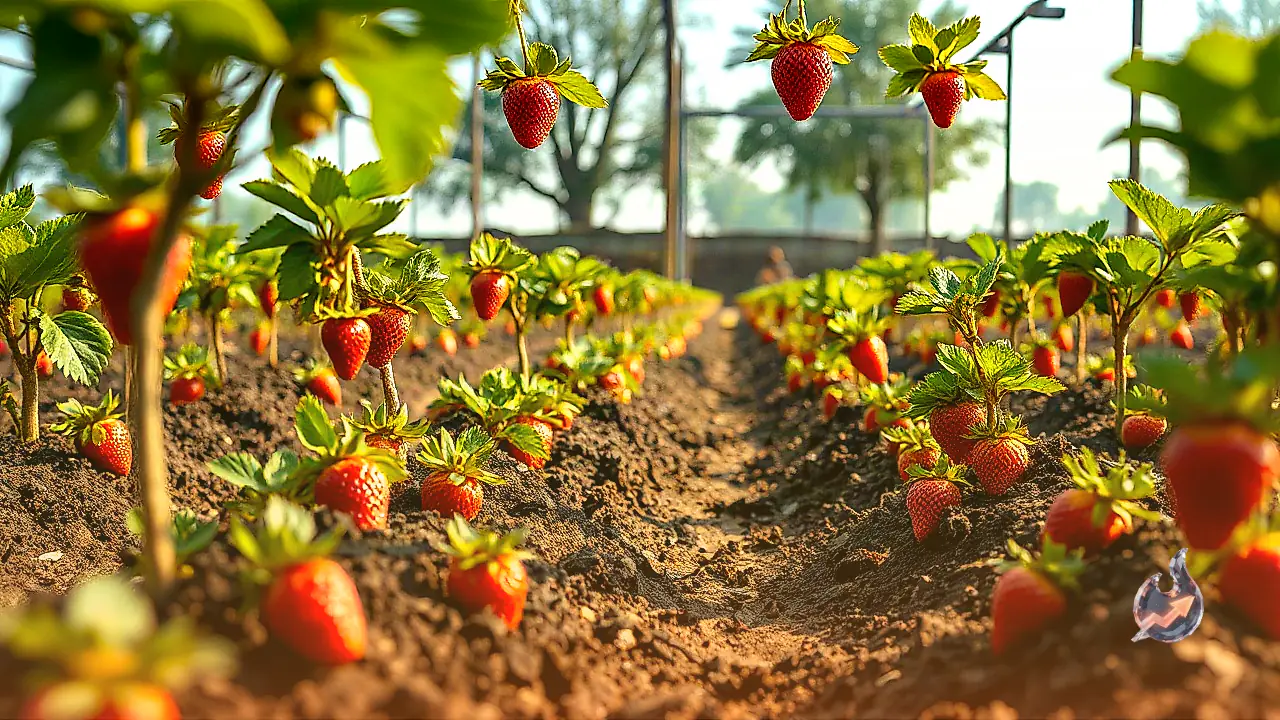

The agricultural landscape in the Palamu region of Jharkhand is evolving as growers look beyond conventional cropping patterns to adopt high-value commercial horticulture. Strawberries continue to command consistent domestic and international market appeal thanks to their bright color, crisp texture, and popular flavor profile. When cultivated using rigorous scientific techniques, this short-duration fruit crop provides rural growers with an exceptional opportunity to generate substantial income from relatively modest landholdings.
Bed Preparation and Precision Drip Irrigation
According to Palamu district agricultural scientist Dr Pramod Kumar, the foundation of a successful strawberry harvest lies in proper land preparation. Raised beds must be constructed across the field with a uniform width of roughly 2.5 to 3 feet and a height of approximately 25 centimeters. This raised architecture ensures proper root aeration while preventing water stagnation around delicate stems.
Once the raised beds are firmly shaped, planting arrangements can proceed. Water management is handled through a dedicated drip irrigation system. By directing moisture straight to the root zone according to the exact physiological demands of each plant, drip lines conserve significant volumes of water while eliminating unnecessary run-off across the field.
Silver-Black Plastic Mulch and Spacing Standards
Protective cultivation practices play an equally critical role in sustaining crop health. Utilizing a silver-black plastic mulch sheet with a thickness of around 25 microns helps farmers insulate the soil bed. This dual-tone film reflects harsh rays while locking in essential soil moisture and suppressing competitive weed emergence beneath the surface. Drip irrigation lines are installed beneath the mulch sheet so that both water and soluble nutrients reach the roots without interference.
Maintaining strict plant density is vital to avoid disease and encourage uniform fruit development. Seedlings should be spaced approximately 25 centimeters apart from plant to plant, alongside an inter-row spacing of roughly 40 centimeters. This geometric layout grants adequate canopy space, ensuring unhindered airflow and sunlight penetration. It simplifies daily field operations, pruning, and harvesting while visibly improving the size and cosmetic appeal of the berries.
Nutrient Management With 19:19:19 and High-Yield Varieties
Vigorous vegetative growth and steady blossom production require balanced supplementary fertilization. Growers can administer a balanced NPK formulation such as 19:19:19 through the existing drip irrigation lines. This fertigation process delivers essential macro-elements directly to the active feeder roots, minimizing fertilizer leaching and ensuring consistent uptake throughout the crop cycle.
Selecting climate-resilient cultivars tailored to the local microclimate determines market viability. Farmers across Palamu demonstrate a strong preference for the Winter Dawn variety, which commands premium market prices due to its deep red hue and superior taste. In addition to Winter Dawn, cultivators can select alternative high-yielding varieties such as Chandler, Pusa Early, and Douglas to diversify their harvest schedule.
Planting Calendar, Harvest Duration, and Revenue Potential
Strict adherence to seasonal timing remains crucial for maximizing fruit setting. Planting the strawberry runners by around 15 October generally leads to initial flowering within approximately 45 days. Fruit plucking commences shortly thereafter, providing an extended harvesting window that can span nearly five continuous months.
In the agro-climatic conditions of Palamu, peak harvest periods typically fall between February and March. With methodical crop management and direct access to wholesale or retail markets, cultivators in the region can generate revenues of around 5 to 6 lakh rupees across a single successful production cycle.