




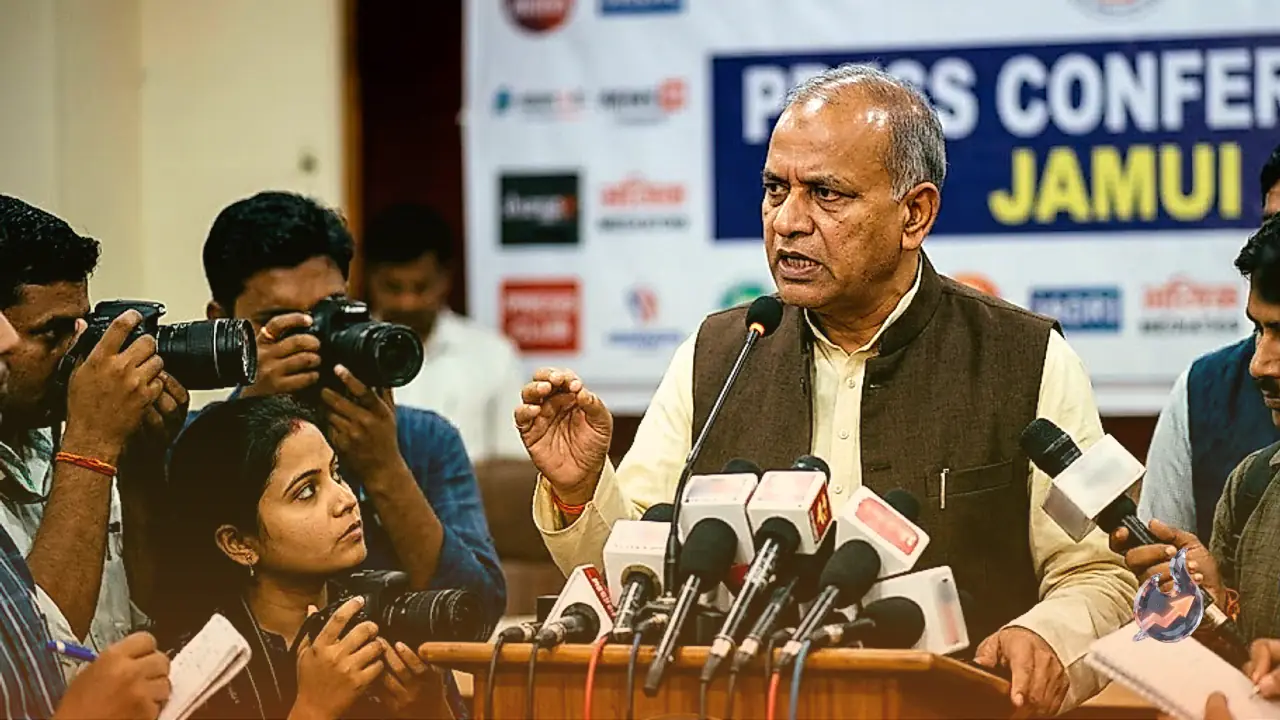
















A sharp political confrontation has erupted across Jharkhand following an incident of mob violence and vehicle arson linked to alleged cattle smuggling in the state capital of Ranchi. As local authorities pursue their investigation into the physical confrontation, heated political exchanges have taken centre stage. Senior BJP legislator and seven-term MLA CP Singh ignited a fresh row with contentious public statements regarding cattle slaughter and the sale of meat in the city. The lawmaker claimed that beef biryani is served in Muslim-run eateries across Ranchi and asserted that he rolls up his car windows whenever passing by such establishments. He further alleged that cows are slaughtered instead of goats during the festival of Bakrid, demanding that anti-cattle slaughter legislation introduced during Raghubar Das's tenure as chief minister be enforced strictly across the state.
Arson in Piska Mor Sets the Stage for Escalating Tensions
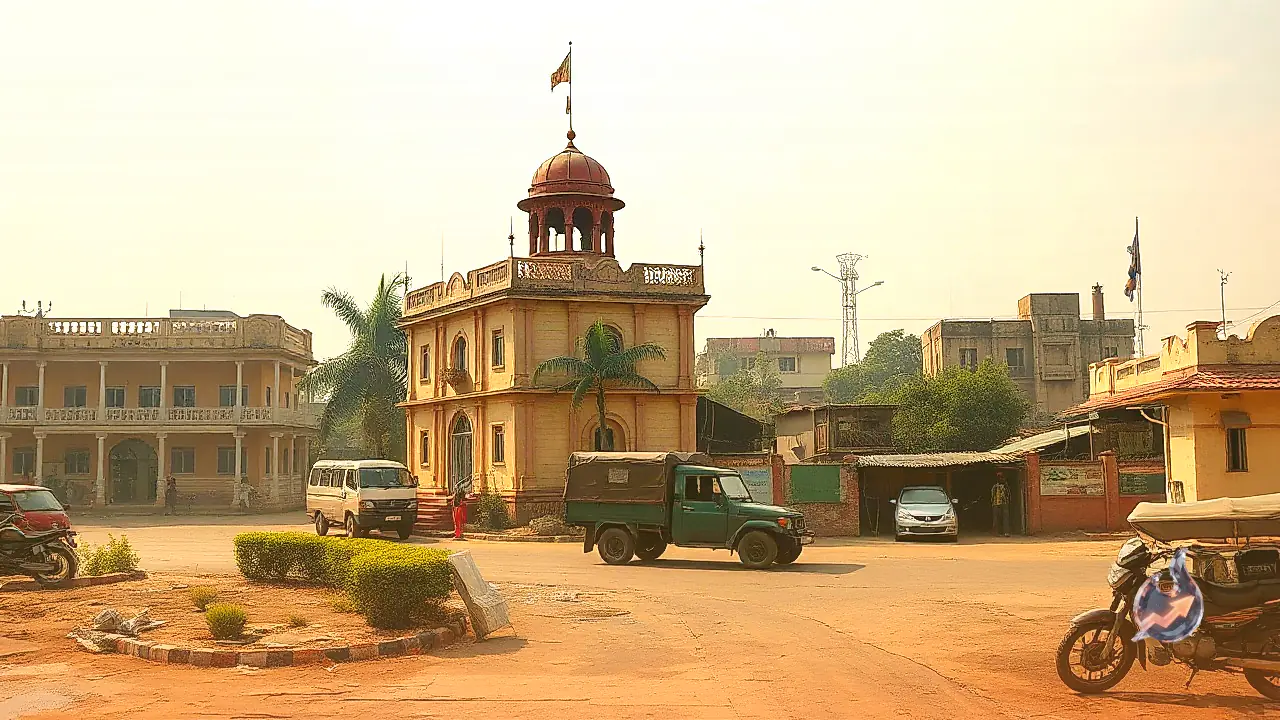
The controversy stems from an incident that took place two days earlier in the Piska Mor locality of Ranchi. Tensions flared rapidly after local residents received word about the alleged illegal transport of cattle in a vehicle. Before law enforcement personnel could fully control the situation, an agitated mob congregated at the location and set the vehicle ablaze. The police subsequently launched a formal crackdown, arresting nine individuals in connection with the violence, including the vehicle owner. According to police officials, substantial crowds had gathered before patrol units could secure the perimeter. Following this unrest, MLA CP Singh made public remarks questioning the monitoring of meat sales and cattle slaughter, transforming a local law-and-order disruption into a broader statewide debate.
Congress Rebuts Claims and Raises Party Donation Allegations
The opposition remarks drew swift condemnation from Congress leadership. Jharkhand Pradesh Congress Committee spokesperson M Tausif rejected the BJP legislator's claims, stating that CP Singh lacks complete information regarding community traditions and current realities. Tausif maintained that goats are exclusively sacrificed during Bakrid observance. Turning the scrutiny back onto the opposition party, the Congress spokesperson raised questions regarding connections between the beef export industry and political funding. He claimed that the BJP had received donations amounting to 30 crore rupees from the Allanasons Group. Emphasising the need for communal amity, Tausif warned that unsubstantiated allegations targeting specific businesses and communities threaten to destabilise civil peace and mutual harmony in Ranchi.
JMM Demands Formal Action Rather Than Public Rhetoric
The ruling Jharkhand Mukti Morcha (JMM) similarly pushed back against the legislator's assertions, calling for institutional accountability over public posturing. JMM central committee member Antu Tirkey challenged CP Singh to share actionable evidence with law enforcement agencies rather than making provocative public claims. Tirkey argued that if an experienced public representative possesses verifiable information regarding illicit cow slaughter or the illegal sale of prohibited meat, that information must be handed over directly to the district administration for prompt legal intervention. He noted that statutory mechanisms prohibiting cow slaughter already exist in the state, tracing back to the landmark 2005 legislation. The Jharkhand Bovine Animal Prohibition of Slaughter Act of 2005 strictly forbids the slaughter of cattle, restricts the possession and sale of beef, and prescribes severe punitive penalties for violations. Tirkey stated that the state administration must ensure the rigorous implementation of these existing laws.
Community Leaders Warn Against Targeting and Polarisation
Prominent Muslim scholars and community representatives also expressed strong disapproval of the statements. Edara-e-Sharia president Qutubuddin Rizvi dismissed the allegations made by CP Singh, accusing the veteran legislator of attempting to generate political leverage out of a sensitive issue. Rizvi questioned why local authorities were never notified if prohibited meat was indeed being sold openly in any part of Ranchi. He argued that singling out Muslim-run restaurants creates unnecessary social friction and targets a specific community unfairly, endangering communal peace. Rizvi also pointed to the prevalence of Arabic names among leading meat export corporations as part of a wider counter against political rhetoric. Concurrently, Ratu Muslim Mahapanchayat chief Qamrul Haq Rizvi lodged his objection to the remarks, urging all sides to preserve public harmony.
Administrative Action and Political Discourse in the Capital
The fallout in Ranchi has now split into two distinct tracks. On the ground, police departments are handling the criminal prosecution of individuals implicated in the Piska Mor vehicle burning, alongside probes into the illicit movement of cattle. On the political front, conflicting narratives surrounding meat laws, past legislative measures, and communal cohesion continue to dominate headlines. Observers note that the coming days will depend significantly on how administrative authorities balance stringent law enforcement with efforts to keep civic harmony intact across the capital district.