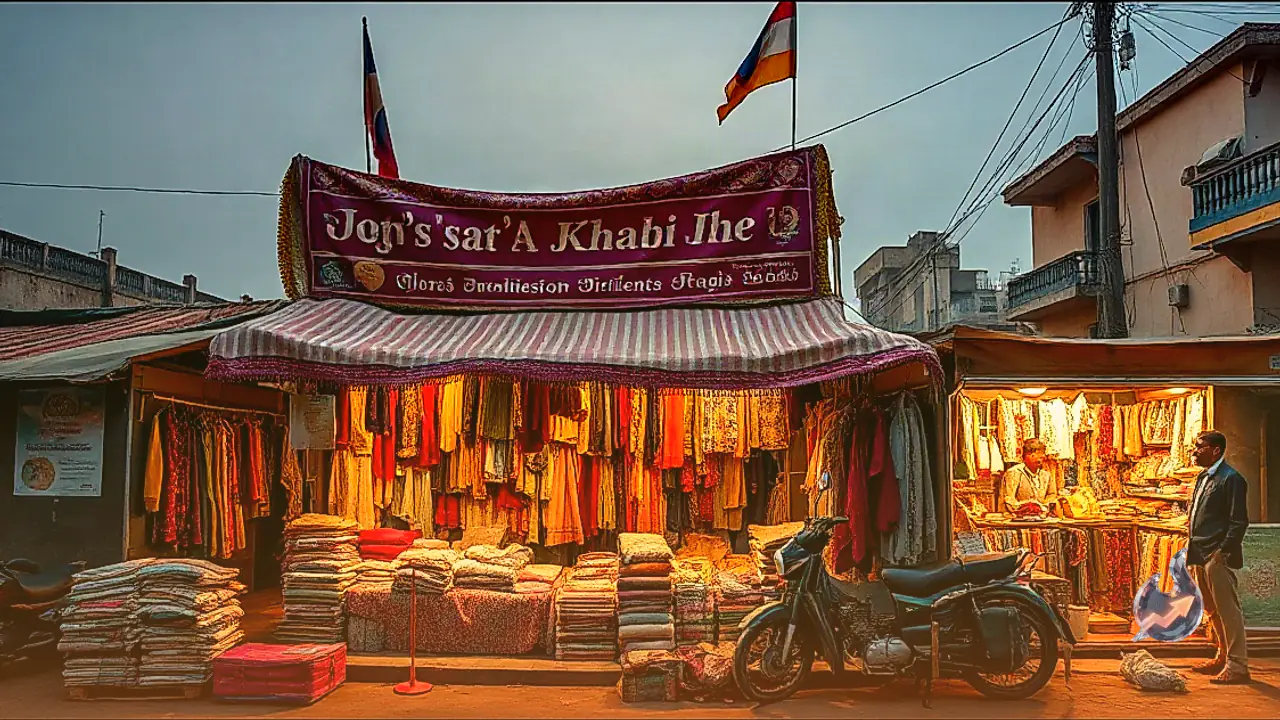






















An inspiring social enterprise emerging from Ranchi, the capital of Jharkhand, demonstrates how commerce can be transformed into a vehicle for social welfare. Meena Singh, a resident of the city who experienced the painful loss of both parents during her early childhood, channeled her grief into a meaningful tribute. To honor their enduring memory, she established a handloom apparel brand named Jag Bunkar. The initiative focuses on collaborating directly with traditional textile artisans while routing all commercial surplus back into charitable community causes.
The road to establishing this venture was paved with significant personal adversity. Singh lost her mother at a very tender age, and just a few years later, her father also passed away. Following the loss of their parents, her elder brother, who is physically challenged, shouldered the full responsibility of running the household. He cared for her with fatherly devotion despite his own physical limitations. Navigating these steep challenges instilled in Singh a deep conviction that enterprise should transcend private financial gain and address pressing societal needs.
Empowering Over 100 Artisans Across Four States
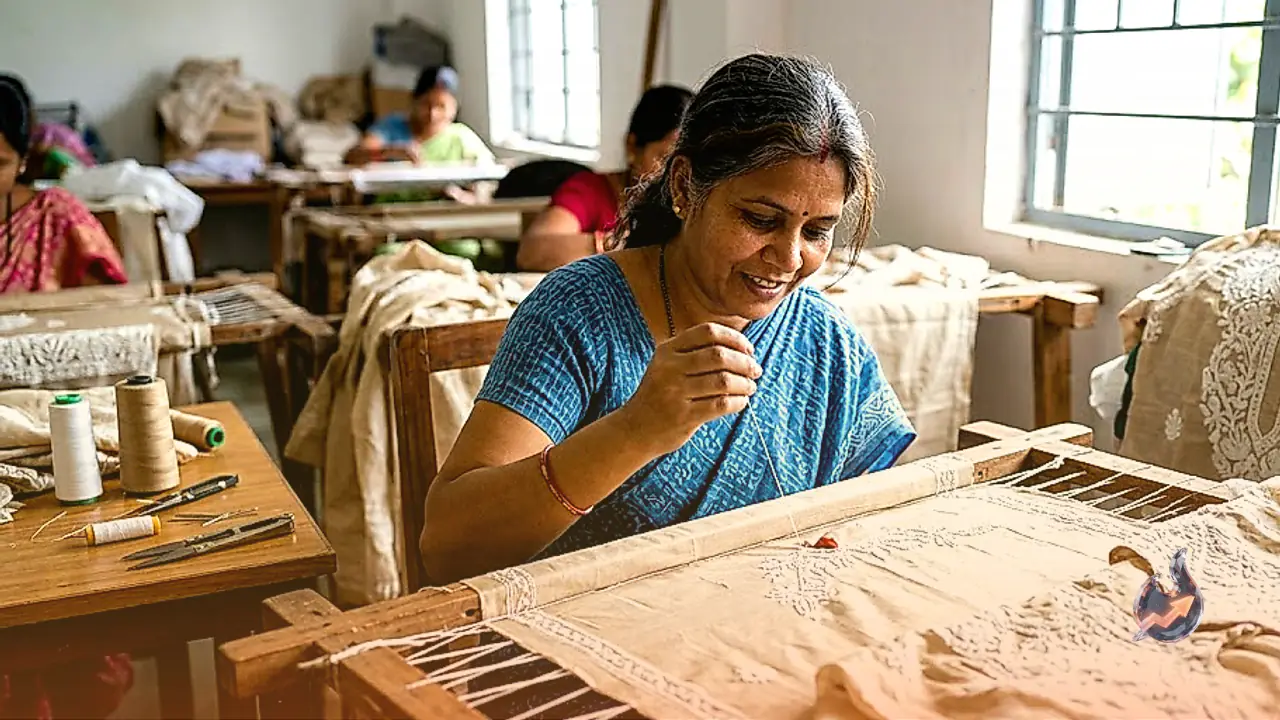
Through Jag Bunkar, direct linkages have been established with grassroots weavers and craftspeople spread across West Bengal, Uttar Pradesh, Jharkhand, and Bihar. By procuring hand-crafted apparel directly from the makers without intermediaries, the brand ensures that artisans receive fair and timely compensation for their labor. At present, more than 100 weavers are affiliated with the brand, utilizing this platform to sustain their traditional crafts.
The enterprise showcases an extensive catalog of artisanal hand-worked garments, notably handcrafted sarees, ornate dupattas, and traditional parandas. The offerings celebrate regional weaving traditions, incorporating intricate block prints from West Bengal, authentic Tussar silk native to Jharkhand, and celebrated Bhagalpuri silk from Bihar. By curating distinct textile heritages in one platform, the venture preserves heritage craftsmanship while giving it contemporary commercial relevance.
Channeling Total Surplus into Social Welfare
The operational framework of Jag Bunkar stands apart for its philanthropic financial design. While monthly revenue from the sale of these handloom items comfortably exceeds one lakh rupees, Singh retains none of the net profits for herself. Stating that her personal household needs are completely fulfilled without material hardship, she directs 100 percent of the business earnings to charitable endeavors.
The entire surplus is dedicated toward supporting elder residents living in old age homes. Having lost her own parents early in life, Singh views this contribution as an opportunity to ensure that elderly individuals separated from familial care live with dignity and adequate resources. Additionally, the revenue extends regular financial assistance to 10 schools that educate children from economically disadvantaged backgrounds, ensuring these students have the necessary backing to continue their education.
Community Reception and Lasting Impact
By simultaneously bolstering two vulnerable demographics—destitute elderly individuals and underprivileged school students—the enterprise has earned enthusiastic patron response. Customers appreciate both the authentic craftsmanship of the handwoven textiles and the purposeful social mission underlying the venture. For Singh, seeing over a hundred artisans thrive and seeing vulnerable elders supported provides profound personal fulfillment, realizing a legacy that honors her late parents.