
























Building a dream home is often a lifetime financial commitment that requires immense dedication, planning, and hard work. From the structure of the walls and design of the doors to the finish on the ground, every element is chosen with care to ensure long-term durability and aesthetic appeal. Among all construction decisions, one of the most persistent dilemmas homeowners encounter revolves around the flooring. People frequently find themselves confused about whether they should lay marble, install granite, or go with modern tiles. With the marketplace flooded with a vast array of materials, identifying the option that best balances longevity, cost, and maintenance can become overwhelming.
Expanding Range of Textures, Prints and Modern Tile Finishes
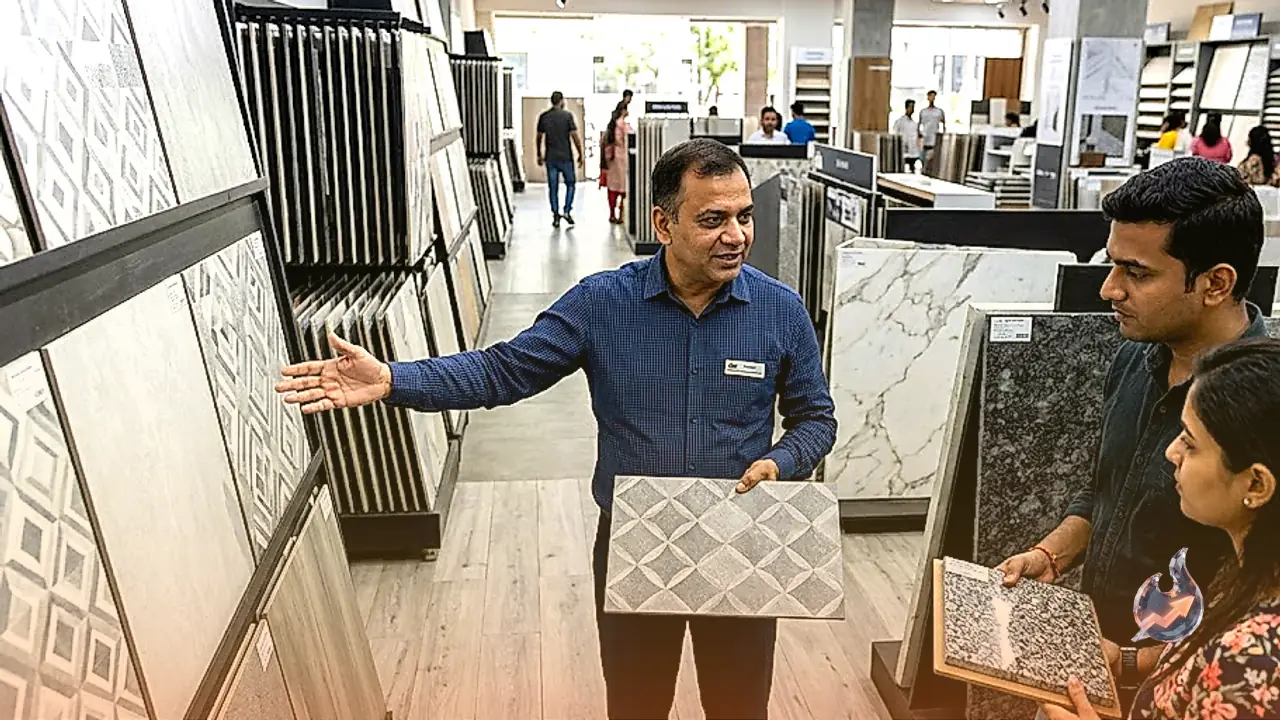
Sharing his insights on the shifting market dynamics, flooring specialist Sanjay pointed out that the variety available in tiles has expanded tremendously in recent years. In the past, buyers were mostly restricted to basic and plain tiles. Today, however, showrooms offer an extensive lineup including glossy, matte, 3D print, wooden finish, and natural stone finish designs. The primary advantage of this vast assortment is that homeowners can tailor the flooring according to the specific functional and aesthetic demands of each room. For instance, glossy tiles can add an open and radiant look to the drawing room, whereas wooden or matte finishes lend a warm, comfortable texture to bedrooms.
Price Brackets, Installation Expenses and Regional Variances
Evaluating the budget side of flooring, Sanjay explained that dependable quality tiles generally start at an accessible range of 50 to 70 rupees per square foot. Depending on the manufacturer, size specifications, and design sophistication, retail prices can certainly climb higher. Beyond the material purchase cost, tiles offer a significant logistical advantage because they are comparatively quicker and easier to install. The associated labour and mechanic costs for laying tiles turn out to be notably lower than the expenses incurred while installing marble slabs. It is equally important to recognise that local rates vary across different cities and markets, making regional vendor inquiries vital before planning a final budget.
Large Format Slab Tiles and the Selective Role of Granite
The flooring trade is currently witnessing robust demand for oversized nano tiles and large slab formats. Because of their expansive surface area, these large-format tiles reduce visible grout joints, leaving the floor looking exceptionally seamless, clean, and luxurious. In spacious halls or expansive open areas, slab tiles create a striking, uninterrupted aesthetic, though handling and installing them strictly demands experienced, professional masons. Meanwhile, granite continues to hold its ground in specific utility zones. Property owners prefer granite primarily on staircases, kitchen countertops, and work surfaces where extreme structural resilience and scratch resistance are paramount. Nevertheless, covering the entire home's flooring in granite has grown far less common compared to tiles.
Limitations of Natural Marble and Key Selection Criteria
The widespread installation of marble throughout residential premises has also softened over time. As a natural stone, marble is substantially heavy and comparatively porous, which creates higher maintenance obligations. The comprehensive costs involved in cutting the stone, fitting it carefully, and undergoing multi-stage grinding and polishing can dramatically inflate the overall budget. For property owners who prioritise visual elegance, a wide array of stylistic designs, straightforward maintenance, and disciplined expenditure, modern tile collections provide an appealing package. When finalising any flooring material, it is critical not to rely solely on surface beauty, but to carefully verify durability, slip resistance, water absorption capacity, and suitability for the specific living space.