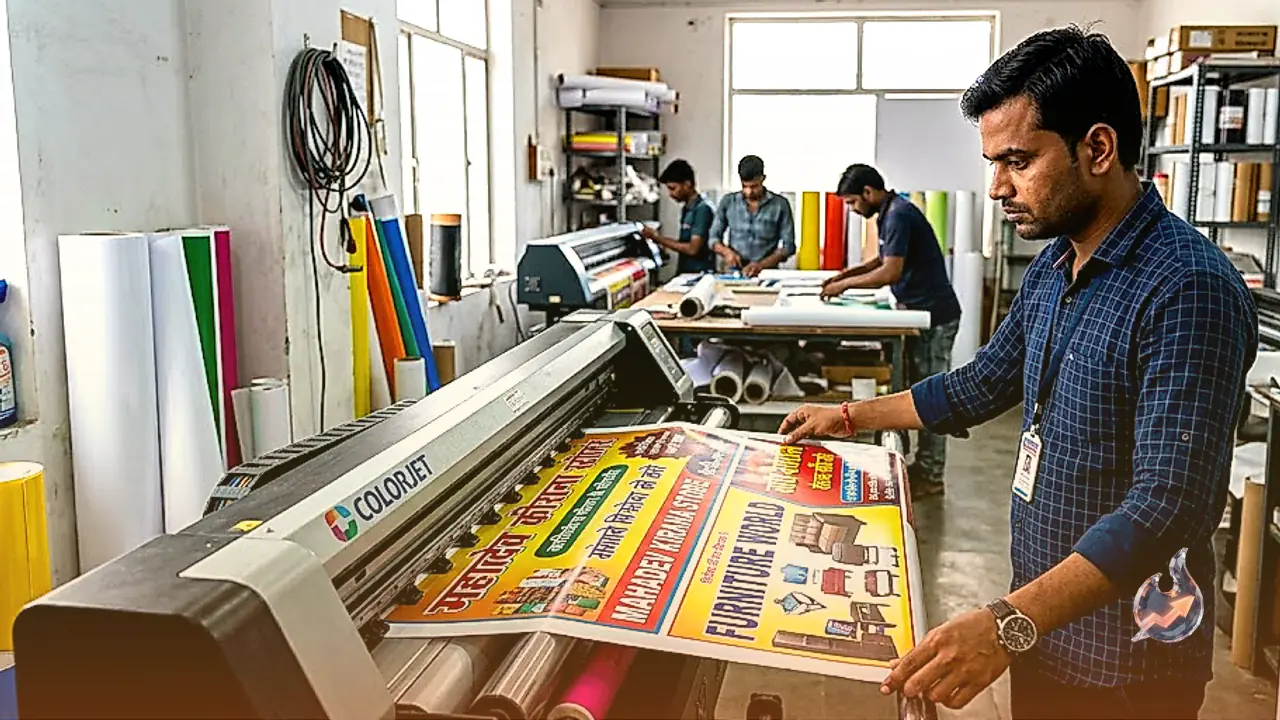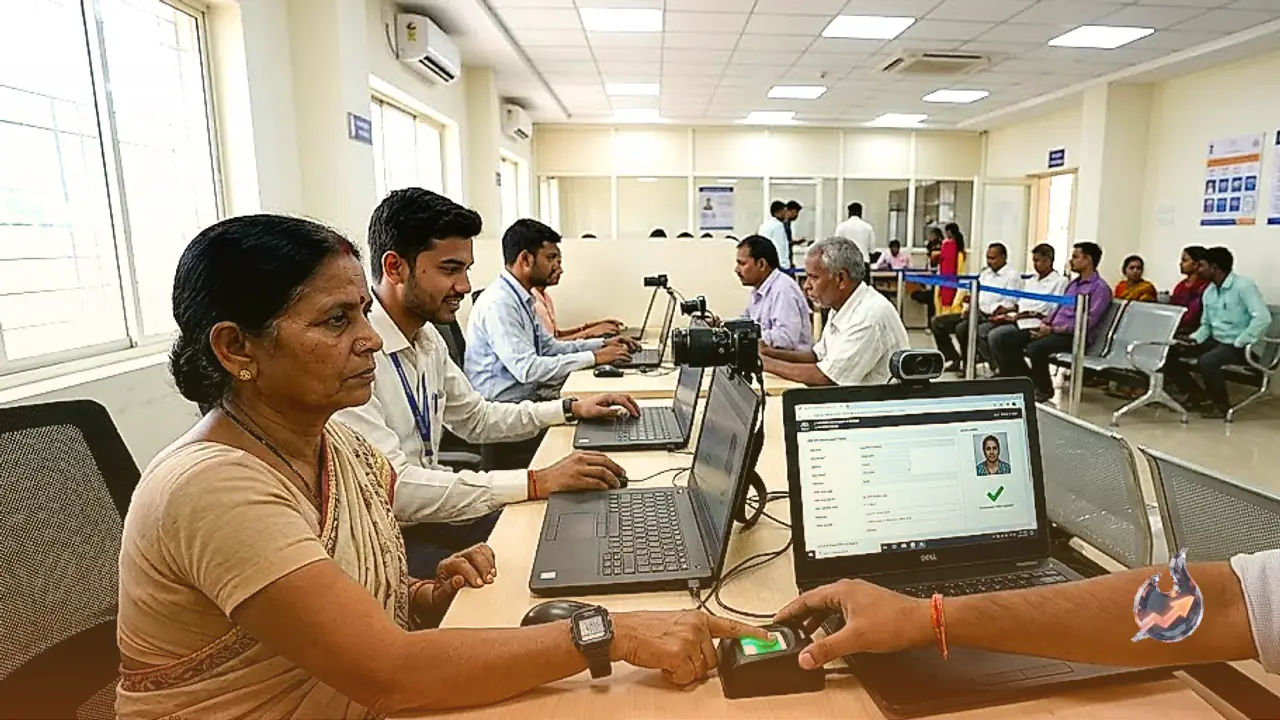


















The Department of Industries in Palamu, Jharkhand, has initiated a structured vocational training drive designed to build grassroots self-reliance and generate viable livelihood avenues for rural youth and women. Moving past conventional technical instruction, the initiative integrates practical hands-on training with market readiness, ensuring that emerging artisans and entrepreneurs can establish sustainable small-scale businesses. Special administrative arrangements are being deployed to connect newly trained producers directly with consumer markets, transforming local talent into reliable earning streams.
Five Selected Blocks to Host Specialized Training Sessions
According to Chandrakant Pandey, District Coordinator at the Department of Industries in Palamu, five blocks across the district have been designated under the Skill Upgradation Scheme for the current financial year. The identified administrative divisions comprise Pandwa, Chainpur, Satbarwa, Panki, and Lesliganj. Each of these five centres will offer distinct trade disciplines tailored to local demographic needs, indigenous material access, and commercial viability, with the broader purpose of providing sustainable self-employment options right at the village level.
Fifty-Day Extensive Courses in Wood Craft and Stitching
The operational framework allocates intensive 50-day technical training modules to specific regions based on trade specialization. In Pandwa block, a 50-day specialized curriculum in wood craft will equip participants with carving, shaping, and finishing techniques essential for commercial carpentry and decorative woodwork. Concurrently, Lesliganj block will host a 50-day professional stitching and tailoring course. Both long-format training programs prioritize practical application, ensuring that graduates possess the operational competence required to launch independent workshops or secure local job placements immediately upon course completion.
Lac Bangles and Wall Hanging Modules for Artisans
To cultivate home decor and traditional handicraft industries, specialized 25-day courses in wall hanging fabrication and lac bangle craftsmanship are slated for Chainpur, Satbarwa, and Pandwa blocks. These dual craft disciplines will run for 25 days each, opening opportunities for both men and women organized into collaborative collectives. The operational blueprint structures training into cohorts of around 20 participants per batch. Across five such targeted groups, approximately 100 rural candidates will receive direct instructional training during the initial phase.
Daily Stipend Support and Official Government Certification
Financial security during the learning period remains a central feature of the program, with enrolled candidates entitled to a daily stipend of 300 rupees throughout the training tenure. This allowance offsets daily logistical costs and encourages continuous attendance among rural participants. Upon finishing the scheduled modules, the state government will issue formal certificates of completion. This credential serves as verified proof of vocational competence, simplifying future access to enterprise financing, institutional loans, and formal trade opportunities.
Year-Long Handholding and Dedicated Marketing Linkages
A critical pillar of the initiative is the long-term support mechanism implemented to bridge the gap between production and sale. Chandrakant Pandey highlighted that rather than parting ways once certificates are distributed, the administration will extend continuous handholding and marketing linkage support for nearly one full year. The Department of Industries will help link finished artisanal goods with broader regional trade networks, retail markets, and fairs. Candidates will also be linked through self-help groups and cooperative societies while tapping into broader entrepreneurial support mechanisms such as PM Vishwakarma, PMFME, and PMEGP to secure working capital and scale up their enterprises.