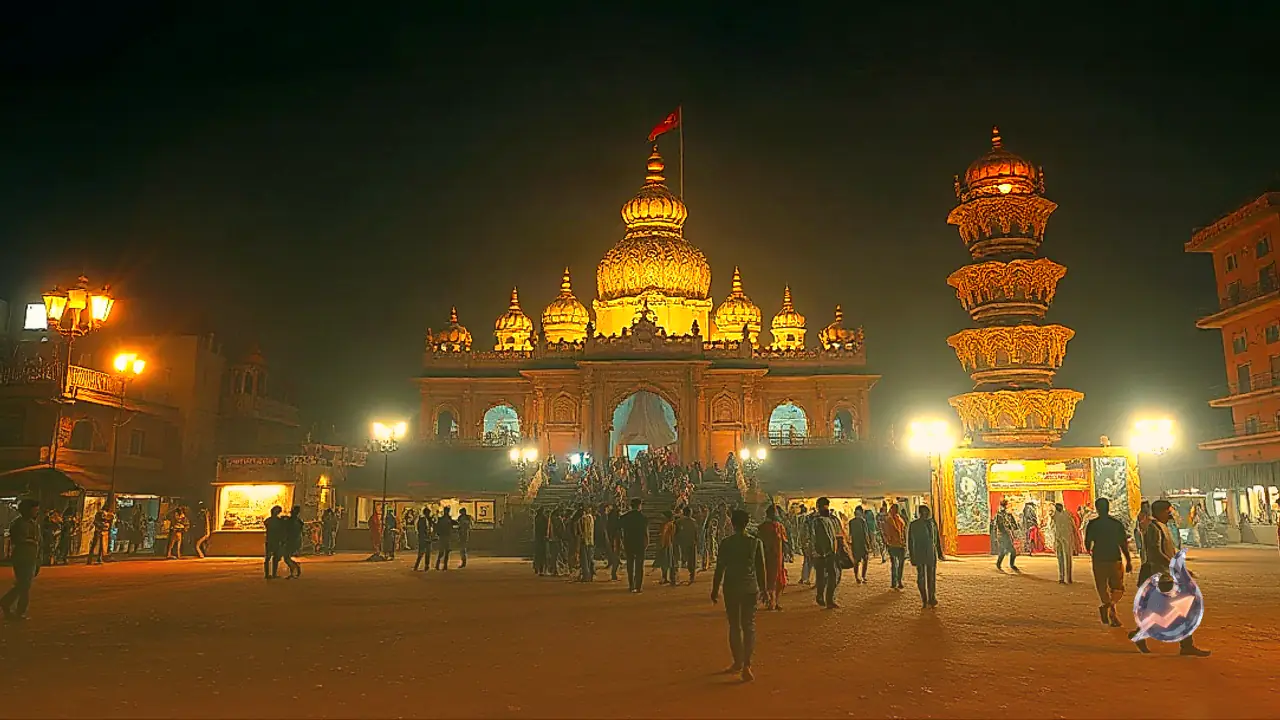


















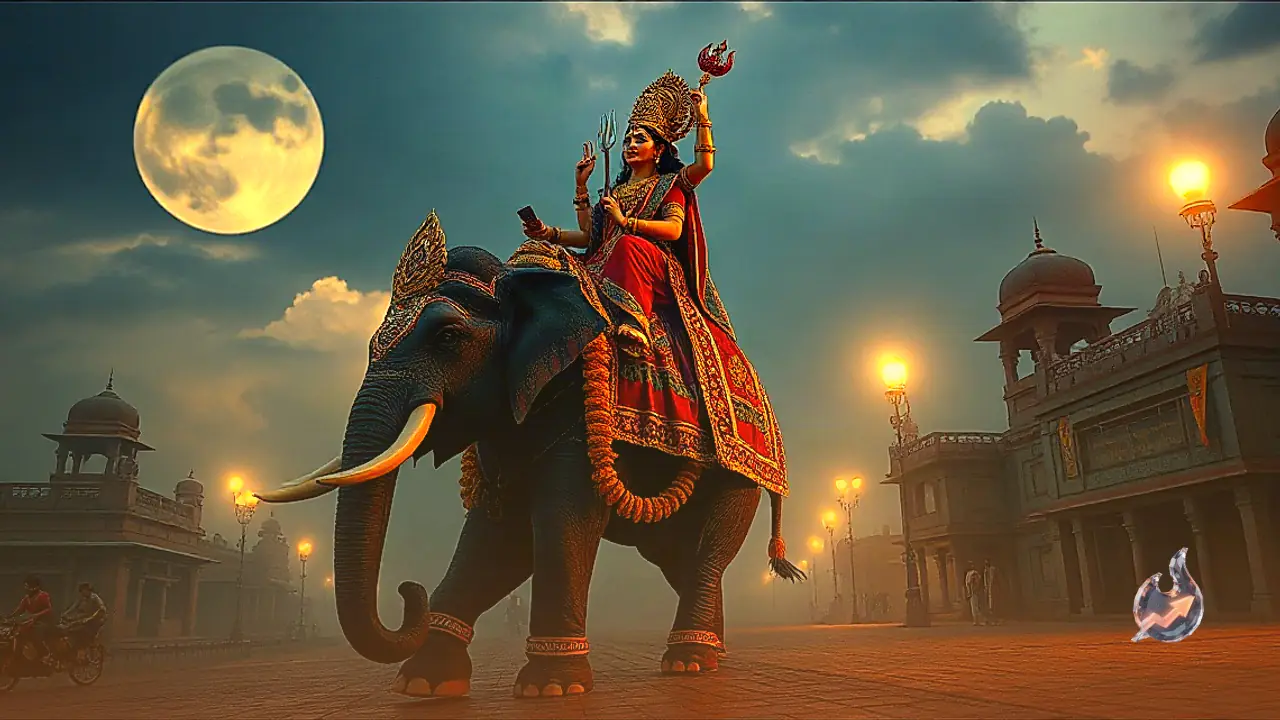

Across the traditions of Sanatana Dharma, the spiritual festival of Navratri dedicated to the worship of cosmic power is observed four times a year, comprising two Gupt Navratris alongside Chaitra Navratri and Shardiya Navratri. Among these observances, Shardiya Navratri holds exceptional spiritual prominence. Across the country, households and sacred spaces inaugurate the period with ritual Kalash Sthapana, worshipping the divine feminine across nine sacred days. Devotees honor the nine distinct manifestations of Goddess Durga, praying for spiritual upliftment, family well-being, and material prosperity. As the auspicious window approaches, widespread attention turns toward the specific celestial mount carrying the Mother Goddess onto the earthly realm.
Celebrations Begin on October 11
According to Deoghar-based astrologer Pandit Nand Kishore Mudgal, Shardiya Navratri is set to begin on October 11 this year. In scriptural thought, religious observances during Navratri place profound significance on the vehicle mounted by Goddess Durga during her arrival. Cultural and theological tenets suggest that the particular vehicle on which the divine mother descends to the earth carries portentous signs regarding prospective global and societal developments. Consequently, the commencement of Navratri draws attention not merely to liturgical rites, but also to interpreting the omens traditionally tied to her arrival.
The Shloka from Devi Bhagavata Purana and How the Day Decides the Mount
Pandit Nand Kishore Mudgal explains that the vehicle of Goddess Durga is determined by the specific weekday on which the Navratri festival commences. This tradition finds authoritative citation in the sacred verses of the Devi Bhagavata Purana through a well-known shloka: “Shashi Surye Gajarudha Shanibhaume Turangame. Gurau Shukre Cha Dolayam Budhe Nauka Prakirtita.” Under this canonical rule, if the festival starts on a Sunday or Monday, the divine vehicle is an elephant. If it commences on a Saturday or Tuesday, her mount is a horse. An initiation on Thursday or Friday signifies arrival on a palanquin, whereas a Wednesday inauguration means the Goddess arrives by boat. Scriptural literature traditionally classifies the principal divine vehicles of arrival as the elephant, horse, boat, and palanquin.
Significance of Arriving on an Elephant
For this year’s Shardiya Navratri, Goddess Jagadamba will make her divine advent riding an elephant. Within theological frameworks, an arrival seated upon an elephant is viewed as extraordinarily benevolent and fortunate for humanity. The elephant stands as an enduring emblem of wisdom, stability, royal grandeur, and material bounty. According to longstanding tradition, when Goddess Durga arrives on an elephant, nations witness an increase in grain yields, agricultural flourishing, and widespread financial security, fostering an overarching climate of joy, harmony, and socio-economic resilience.