

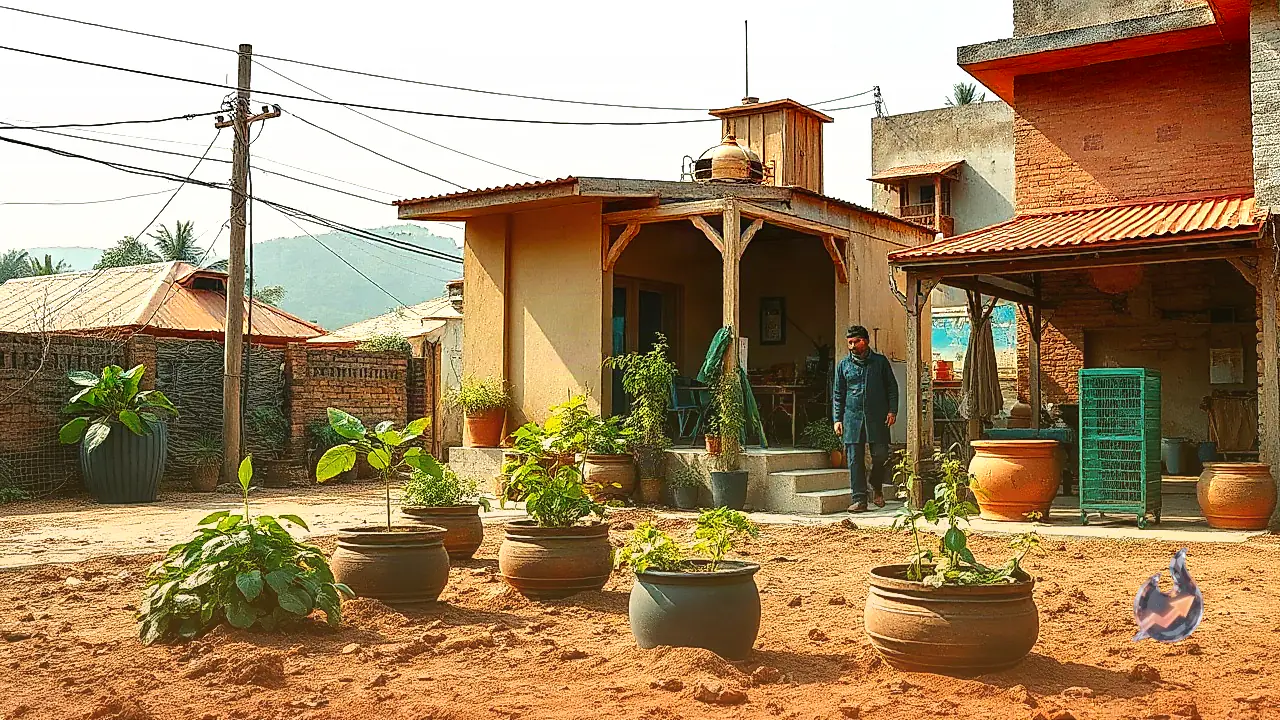





















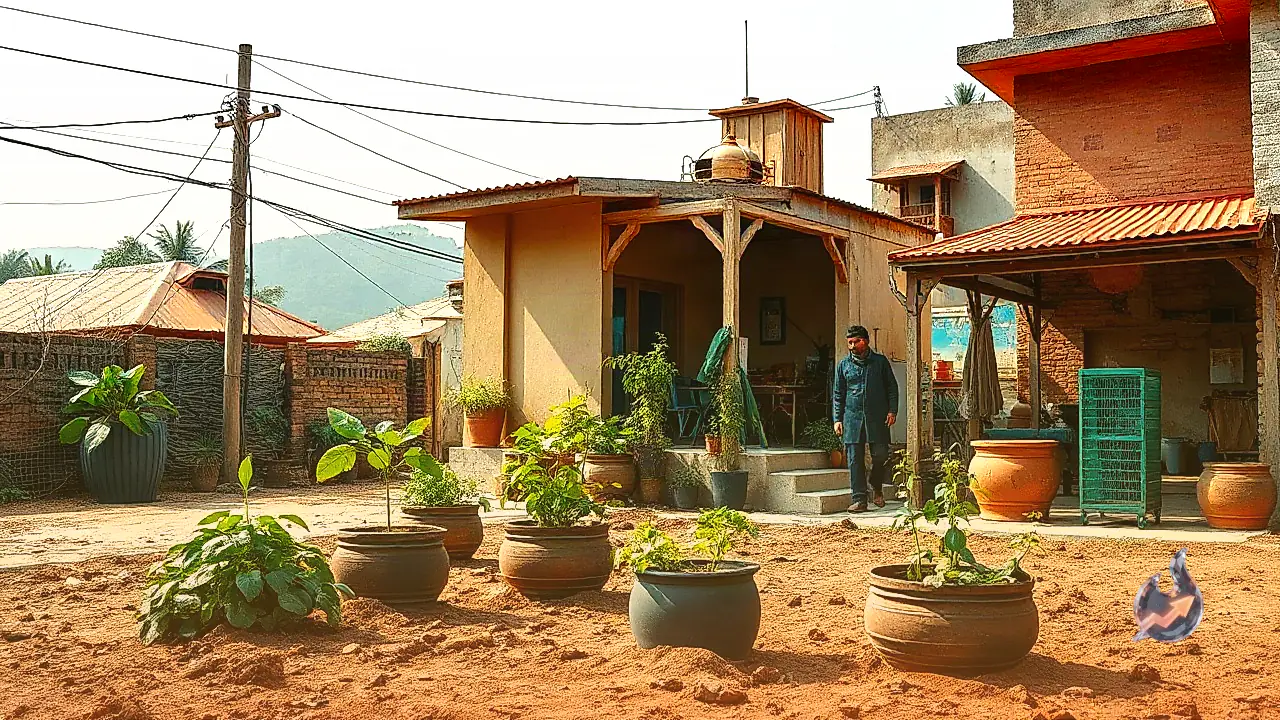

With the arrival of October, weather patterns across northern and eastern regions undergo a distinct transition. The intense heat of late summer gradually fades, paving the way for mild daytime temperatures and crisp morning and evening chills. This seasonal shift creates an ideal environment for home gardeners to convert unutilized patches of domestic land, courtyards, or backyards into productive kitchen gardens. Cultivating fresh produce at home does not require expansive agricultural acreage. A few compact garden beds along an unused perimeter or even spacious containers, planters, and grow bags placed on balconies can readily support a flourishing domestic harvest.
Selecting the Right Crops for the Cool Season
October serves as a prime window for sowing a diverse variety of cool-season vegetables. Rapidly growing leafy greens such as spinach, fenugreek, and coriander top the list, offering swift and recurring harvests for domestic cooking. Alongside these herbs, staple root crops and daily kitchen essentials like radishes, carrots, green peas, and green chilies thrive when planted during this climatic window. Households possessing slightly more spacious courtyard areas can also accommodate brassicas such as cauliflower, cabbage, and broccoli. By cultivating an assortment of these seasonal varieties in limited spaces, families can establish a self-sustaining supply of organic, chemical-free greens right outside their doorsteps.
Soil Conditioning and Organic Fertilization
Dr. Vivek Kashyap, an agricultural scientist associated with the Deoghar Krishi Vigyan Kendra, shared crucial recommendations for setting up a productive domestic vegetable plot. He emphasized that proper groundwork and soil conditioning represent the foundational steps before sowing any seed or transplanting seedlings. The selected patch of ground must be thoroughly dug up and loosened until the soil achieves a light, crumbly texture. Blending this porous soil with well-rotted farmyard cow dung manure or vermicompost significantly elevates organic matter levels. Such organic enrichment supplies balanced nutrients, fosters subterranean microbial vitality, and offers optimal rooting conditions for fragile young plants.
Root Mechanics and Crop-Specific Layouts
Different vegetable varieties exhibit contrasting root structures and vegetative behaviors, necessitating customized planting strategies. According to Dr. Vivek Kashyap, leafy greens like spinach, fenugreek, and coriander possess shallow root frameworks, making them perfectly suited for shallow, leveled planting beds. Conversely, taproot crops such as carrots and radishes develop vertically beneath the surface, requiring deeply tilled, obstacle-free, and thoroughly friable soil so that the roots elongate smoothly without stunting or deformation. Green peas, exhibiting climbing vine traits, require structural support such as vertical wooden stakes, trellis twine, or protective mesh to scale upward. Green chili plants perform best when situated in clear, unobstructed locations that receive continuous sun, allowing the bushes to yield abundant harvests across an extended season.
Sunlight Exposure and Critical Water Drainage
The prosperity of a backyard garden hinges substantially on light availability and hydrological management. Dr. Vivek Kashyap pointed out that prospective beds must be sited in areas receiving sufficient daily sunlight. Simultaneously, foolproof water drainage remains non-negotiable. If irrigation water or unexpected rains pool stagnant around the plants for prolonged intervals, root respiration is choked off, leading rapidly to root rot and fungal infections. Consequently, garden beds should always be constructed with mild elevation or dedicated outflow channels to shed excess water. Furthermore, home growers should prioritize the vegetables that see the highest daily consumption in their own households, ensuring maximum dietary utility from their available surface area.
Ongoing Maintenance, Aeration, and the Harvest
Establishing the garden beds marks only the beginning; sustained care and routine maintenance dictate final yields. Irrigation should be metered judiciously according to moisture levels, avoiding both drought stress and waterlogging. Periodic light hoeing around the base of the stems is essential to break surface crusts, suppress invasive weeds, and allow atmospheric air to reach root zones freely. Gardeners must also inspect their plants routinely to spot early signs of physiological stress or pest activity, intervening promptly to prevent spread. The foremost advantage of maintaining an active kitchen garden is culinary immediacy, allowing vegetables to be plucked fresh off the branch directly into the kitchen pan. With modest advance planning and regular stewardship throughout October, empty ground transforms into an aesthetically pleasing, nourishing asset for the household.