




















A grassroots environmental movement born in the Dudhmatia woodland of Hazaribagh district has transformed into a massive conservation drive across Jharkhand. Centred in the Tatijharia block, this civic effort now unites residents from over 2,000 villages in a collective pledge to safeguard green cover. What began as a local answer to relentless timber felling has matured into an enduring tradition where ordinary villagers step forward as the primary caretakers of their surrounding wilderness.
The Genesis of Tying Sacred Threads to Trunks
The campaign took root in 1999 when schoolteacher Mahadev Mahto and a handful of fellow teachers decided to counter the rampant destruction of woodland areas. Seeking a method that resonated deeply with common people, they introduced Vriksha Rakshabandhan, encouraging villagers to wrap protective threads around tree trunks. Instead of dry lectures, the founders used folk melodies and street-level conversations to articulate the ecological worth of standing timber. Those who tied threads made an explicit commitment to resist illicit timber harvesting and shield the groves from axes. What originated as a quiet gathering in Dudhmatia gradually rippled into nearby regions, sparking widespread ecological awareness.
Aligning Forest Defence with Indigenous Faith
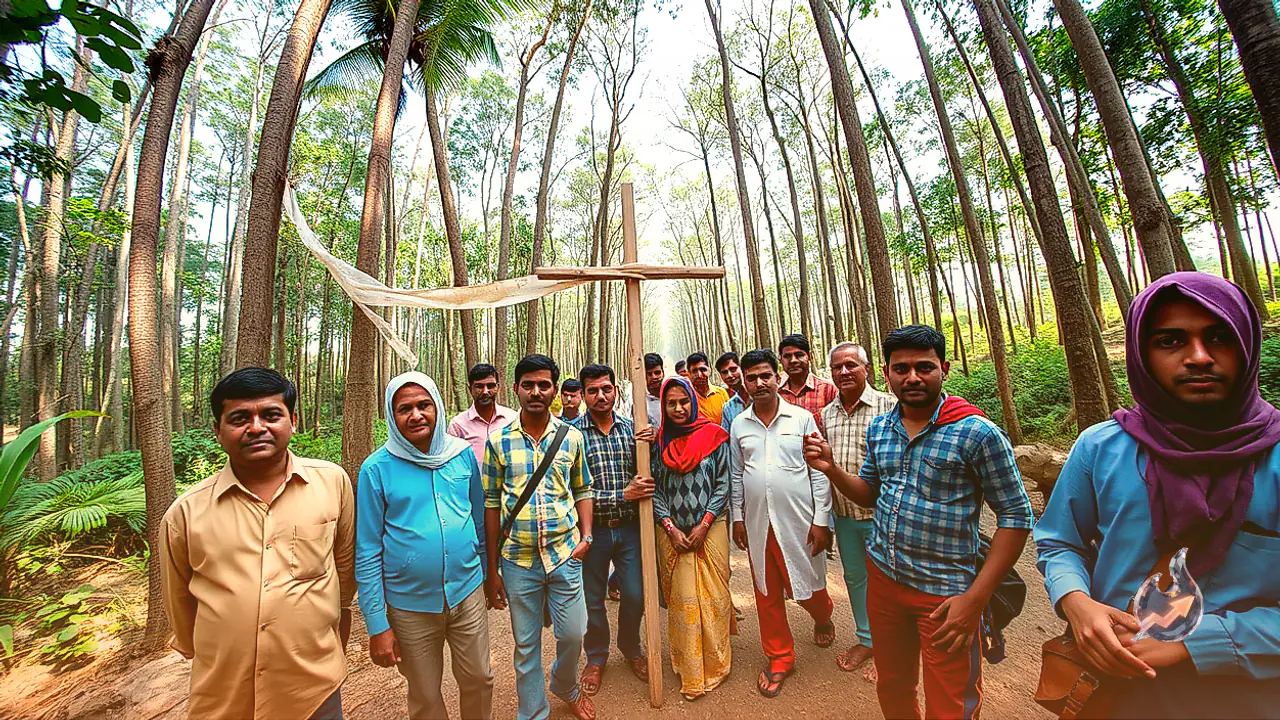
A pivotal factor behind the movement's enduring impact is the way conservation was seamlessly woven into local spiritual customs. An annual forest festival takes place every year on October 7 deep within the Dudhmatia forest. Proceedings commence with ceremonial prayers offered to Van Devi, the forest deity. Community members regard the deity as the ultimate guardian of natural life, cultivating a shared understanding that protecting the surrounding greenery is a sacred civic duty. Following the rituals, local residents and environmental advocates tie sacred threads to trees, reaffirming their resolve to shield the canopy. Organisers note that by cultivating this emotional and cultural bond, the community successfully curbed widespread illegal logging throughout the tract.
Exhibits and Civic Collaboration for Nature
Dudhmatia forest is widely recognised for its rich foliage and picturesque landscape, drawing considerable crowds of nature lovers and villagers during the annual gathering. Local academic institutions, social organisations, and the forest department collaborate on site to put up informational stalls. These educational setups introduce attendees to sustainable forestry practices, plantation techniques, and the ecological importance of pristine natural habitats. By involving children and village elders alike, the festival ensures that conservation knowledge passes seamlessly across generations.
Official Endorsement and Enduring Legacy
The scale of this community-led model has also drawn recognition from higher administrative corridors. Principal Chief Conservator of Forests of Jharkhand, Sanjeev Kumar, travelled from Ranchi to witness the festival in Dudhmatia. Commending the public dedication that now extends across thousands of settlements, he pointed out that human survival directly hinges on the preservation of healthy trees and forests. Originating from the earnest idea of a single rural teacher, this conservation milestone stands as an inspiring blueprint for state forest managers and civic groups seeking workable community models for natural preservation.