






















With the onset of the winter season, livestock keepers face serious operational challenges in safeguarding their animals from dropping temperatures and cold-weather illnesses. For goats in particular, bathing, exposure to rain, biting winds, and resting on damp ground can cause acute health deterioration and, in severe instances, lead to fatalities. Addressing these critical seasonal hazards, Dr. Sushma, an animal husbandry scientist at Krishi Vigyan Kendra in Bokaro, has outlined comprehensive management practices to ensure herd health.
Goat Husbandry in Bokaro and Seasonal Hazards
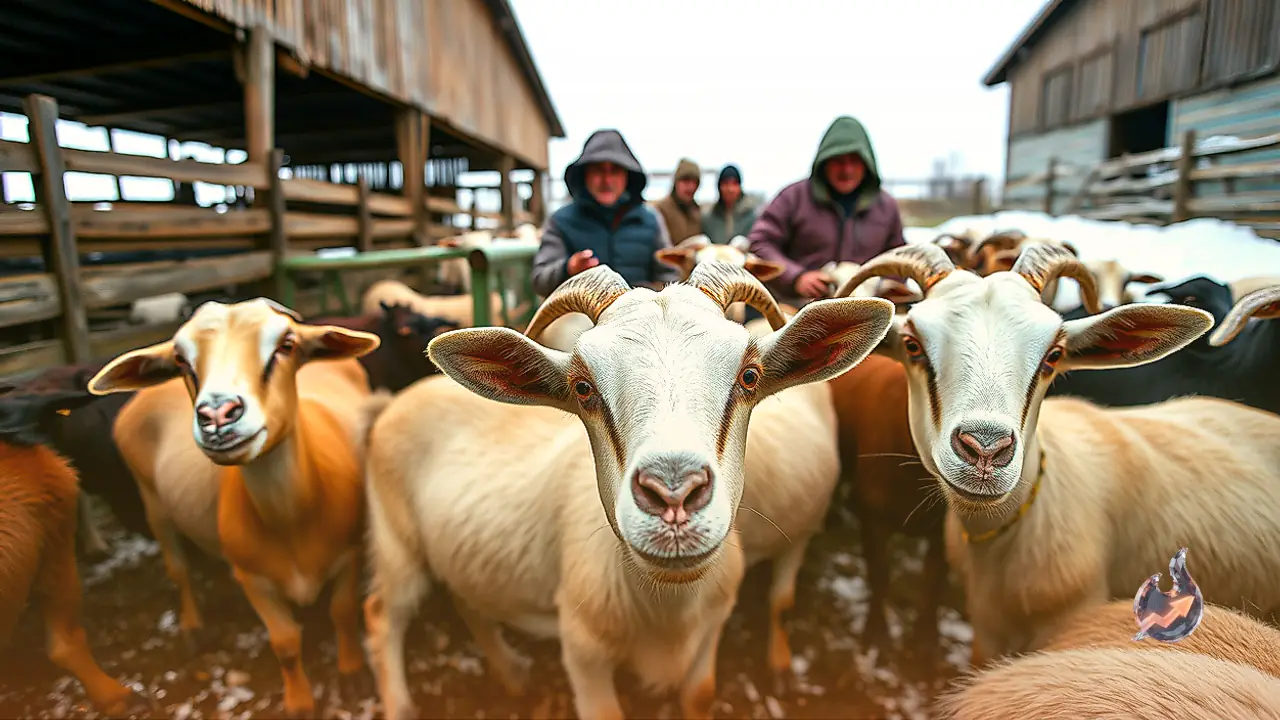
In the Bokaro region, farmers primarily rear Black Bengal alongside various indigenous goat breeds. While these breeds form a dependable pillar of rural livelihoods, improper seasonal housing and substandard winter management can rapidly compromise their wellbeing. If goats get soaked in water or rainfall, or are compelled to lie on damp flooring over extended intervals, their physical resilience deteriorates. This persistent dampness frequently develops into pneumonia, a condition that can swiftly turn fatal when neglected.
The Infection Threat of Damp and Contaminated Bedding
Enclosure hygiene directly dictates animal resilience during cold months. Goats naturally urinate and pass dung right where they stand or rest. In the absence of regular, disciplined barn cleaning, the animals sit directly upon the damp and filthy layer of waste. This continuous contact with wet bedding dramatically elevates the risk of infectious pathogens spreading across the shelter. Keeping goats entirely clear of wet, soiled flooring is essential to prevent respiratory conditions, particularly pneumonia.
Key Symptoms of Pneumonia and Necessary Medical Intervention
Livestock keepers need to remain vigilant for the onset of respiratory distress in their herd. A goat suffering from pneumonia exhibits distinct clinical manifestations, including high fever, noticeable lethargy, a runny nose, persistent coughing, and thick nasal discharge. The moment these indicators appear, owners should avoid delay and promptly consult a qualified veterinary doctor for formal diagnosis and medical intervention.
Avoiding Baths and Managing Accidental Soaking
Throughout the colder period, bathing goats unnecessarily should be completely avoided, as it strips body heat and triggers chills. If an animal happens to get drenched due to unforeseen rain or spills, it must never be left in an open, cold yard. Handlers should immediately dry the animal thoroughly using a clean towel or cloth. Once dry, the goat must be shifted without delay into an area that is dry, warmed by sunlight, and sheltered from freezing winds.
Raised Bamboo Platforms: A Practical Shelter Solution
To shield livestock from persistent ground moisture and biting cold, Dr. Sushma advises erecting a raised bamboo platform inside the shed. This elevated structure should be built roughly one to one-and-a-half feet above the ground floor. A modest ramp or ladder made of bamboo can be installed alongside it so the animals can climb up and down comfortably.
The principal advantage of a raised platform is that goats remain elevated in a dry, ventilated zone while their dung and urine drop straight down through the slats onto the ground below. This setup minimizes direct contact with filthy, wet bedding, effectively insulating the herd from dampness and ground chill.
Nighttime Protection for Young Kids
Young goat kids possess weaker thermoregulation and are far more vulnerable to cold stress than mature animals. During nighttime, when freezing winds pick up and temperatures drop sharply, kids must be kept in a secure, protected corner with dry straw spread generously as bedding. Where necessary, handlers can place woven baskets over them for added insulation against cold drafts. However, maintaining continuous airflow and adequate ventilation remains critical so the young animals do not suffer from suffocation.