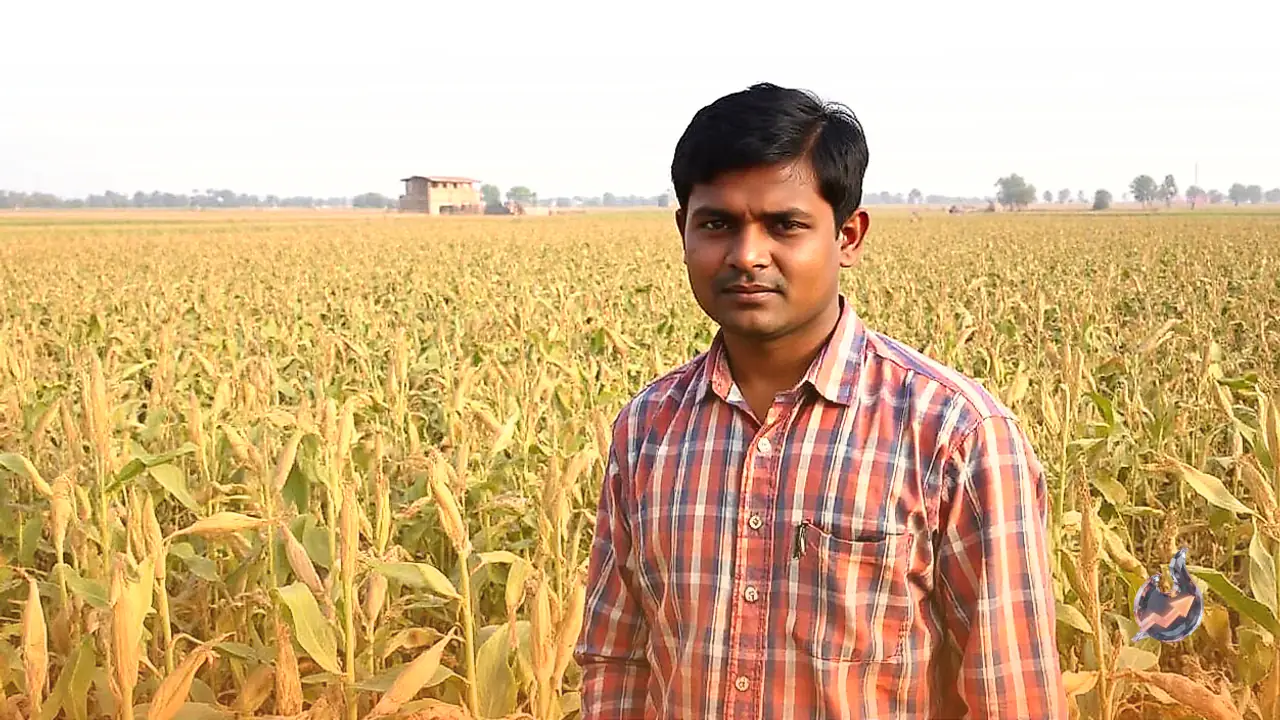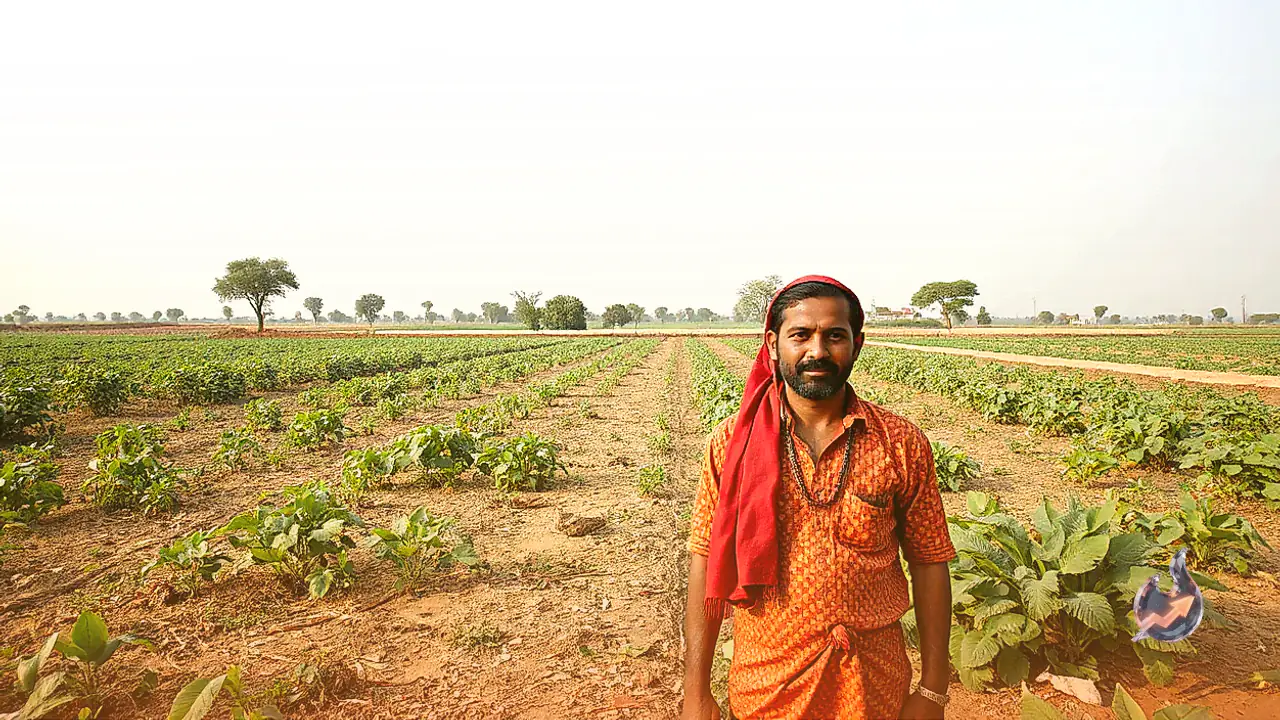

In the Koderma district, a local labourer has redefined the possibilities of agriculture through sheer hard work and the implementation of modern farming techniques. Pappu Mehta, a resident of the Masonadih block, once relied entirely on daily wage labour to support his family. Today, by taking land on lease and adopting scientific methods guided by experts, he has carved out a distinct identity in the agricultural sector. Through the cultivation of long beans, commonly known as barbatti, his monthly sales now reach between one lakh and one.5 lakh rupees, completely uplifting his household's financial standing.
Leasing Land and Starting Cultivation
Pappu Mehta embarked on this agricultural venture by acquiring land on lease. In a special interaction, the farmer shared that he is currently cultivating long beans on a 15-kattha leased plot. Moving away from traditional hardships, he dedicated his time and energy to mastering this crop. By following expert advice and leveraging proper crop management, he has turned a modest piece of land into a highly lucrative venture, establishing a successful farming model in his region.
Drip Irrigation and Advanced Seeds
For sowing, Mehta procured high-quality long bean seeds from Hazaribagh in the month of August. Within roughly 45 to 50 days of planting, the crops began yielding production. To ensure optimal water management and nutrient delivery, he installed a drip irrigation system. This advanced technology directs moisture straight to the roots of the plants. Furthermore, liquid fertilizers are also supplied through the drip setup, ensuring maximum nutrient efficiency without requiring excessive manual spraying, thereby simplifying daily farm operations.
Production Volume and Revenue Figures
During the initial phase of harvesting, the daily yield reached up to two and a half quintals of long beans. At that time, the local market rate for the vegetable hovered between 25 and 30 rupees per kilo. Consequently, he was generating daily sales of roughly five to six thousand rupees. Factoring in market prices and sustained yields, his average monthly sales scaled between one lakh and 1.5 lakh rupees. At present, the farm yields about one quintal daily, and with careful upkeep, regular production is anticipated to continue for the next six to seven months.
Pest Control and Daily Monitoring
Mehta emphasizes that successful vegetable farming requires constant vigilance rather than just planting seeds. He personally visits his fields every morning and evening to inspect the health of the plants. If any sign of insect infestation appears on the leaves, he immediately applies appropriate remedial measures and uses pesticides as necessary. This meticulous daily care protects the crop from major damage and maintains the high quality of the produce brought to the market.
Improving Family Welfare and Building a Home
The income generated from this agricultural enterprise has significantly strengthened the financial foundation of Mehta's family. Where survival once depended on erratic daily wages, the steady returns from farming now enable him to provide his children with a quality education. Using his earnings, he has successfully constructed a good house in his village. Moreover, keeping future needs in mind, he consistently saves a portion of his farming profits to secure long-term stability.