




















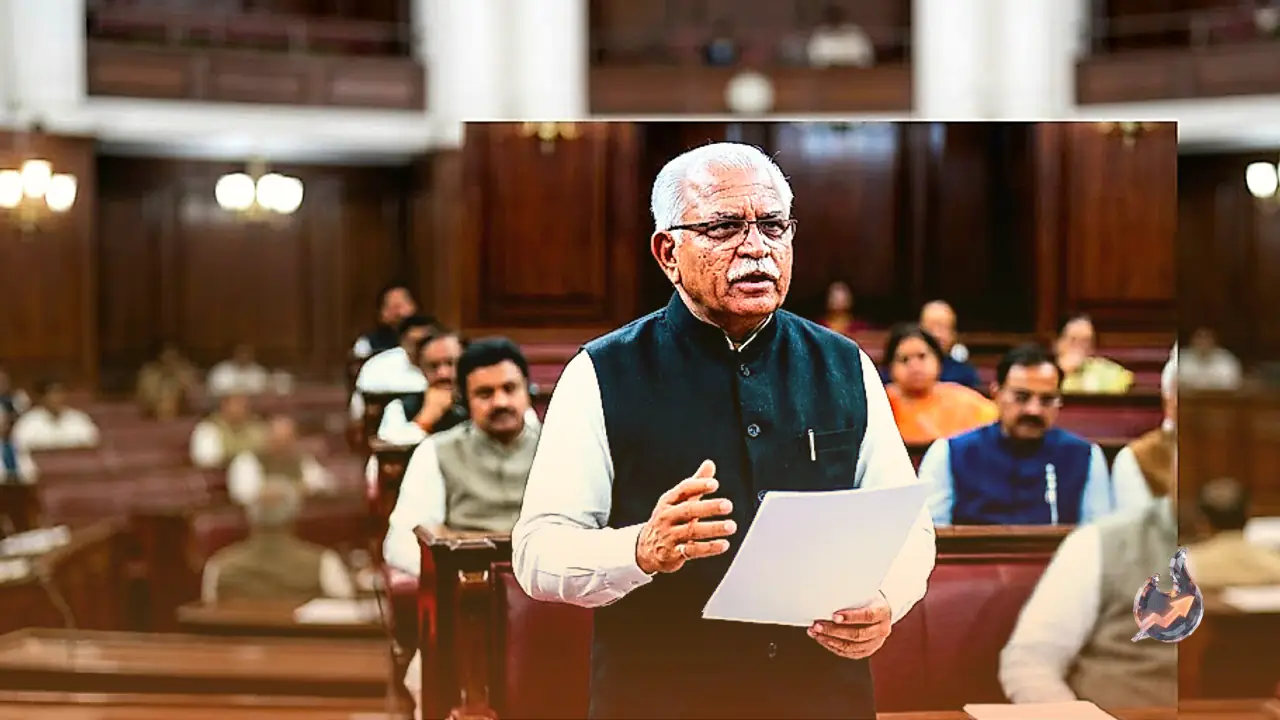

The push to expand Jharkhand's electricity generation capacity came up in Parliament's upper house, with the central government laying out a detailed status report on the thermal power projects currently underway in the state. Rajya Sabha member Parimal Nathwani had asked for details of new thermal power projects in Jharkhand that were commissioned, are under construction, or have been approved over the past five years. Replying to the query, Union Minister of State for Power Shripad Naik told the House that three major thermal power units are currently being built in the state.
New units coming up at Koderma and Patratu
According to the minister, two new 800 MW units are being added under the second phase of the Koderma thermal power project, which together will give the state 1,600 MW of additional power capacity. Separately, work is also underway on a third 800 MW unit at the Patratu project, and once it is commissioned, Jharkhand's overall power generation capacity will rise further.
2,780 MW added over the past five years
The government also informed the House that thermal power projects with a combined capacity of 2,780 MW have already been commissioned in Jharkhand over the last five years. This tally includes three units of 660 MW each at North Karanpura, along with the first 800 MW unit at Patratu.
Who is building what
The written reply also clarified the ownership of these projects. The Koderma Thermal Power Station is being developed by Damodar Valley Corporation, or DVC, while the third unit at Patratu is being built by Patratu Vidyut Utpadan Nigam Limited, or PVUNL, a joint venture between NTPC and Jharkhand Bijli Vitran Nigam Limited.
Clean energy push alongside thermal expansion
The Union Minister of State for Power added that the government's focus is not limited to ramping up conventional power generation alone; renewable energy sources are being pushed with equal urgency. Work has been accelerated on solar power, green hydrogen and other renewable energy schemes, so that rising electricity demand can be balanced with environmental protection.