




















A collective decision concerning indigenous tribal culture and conversion activities has taken center stage in Kobja village, located within the Raidih block of Jharkhand's Gumla district. The local gram sabha convened a special assembly and passed a resolution barring Christian pastors and priests from entering the village territory. Following this collective agreement, residents erected a permanent board displaying the entry prohibition at a prominent location, triggering widespread discussion across the surrounding areas.
Villagers Mobilize to Protect Indigenous Sarna Identity
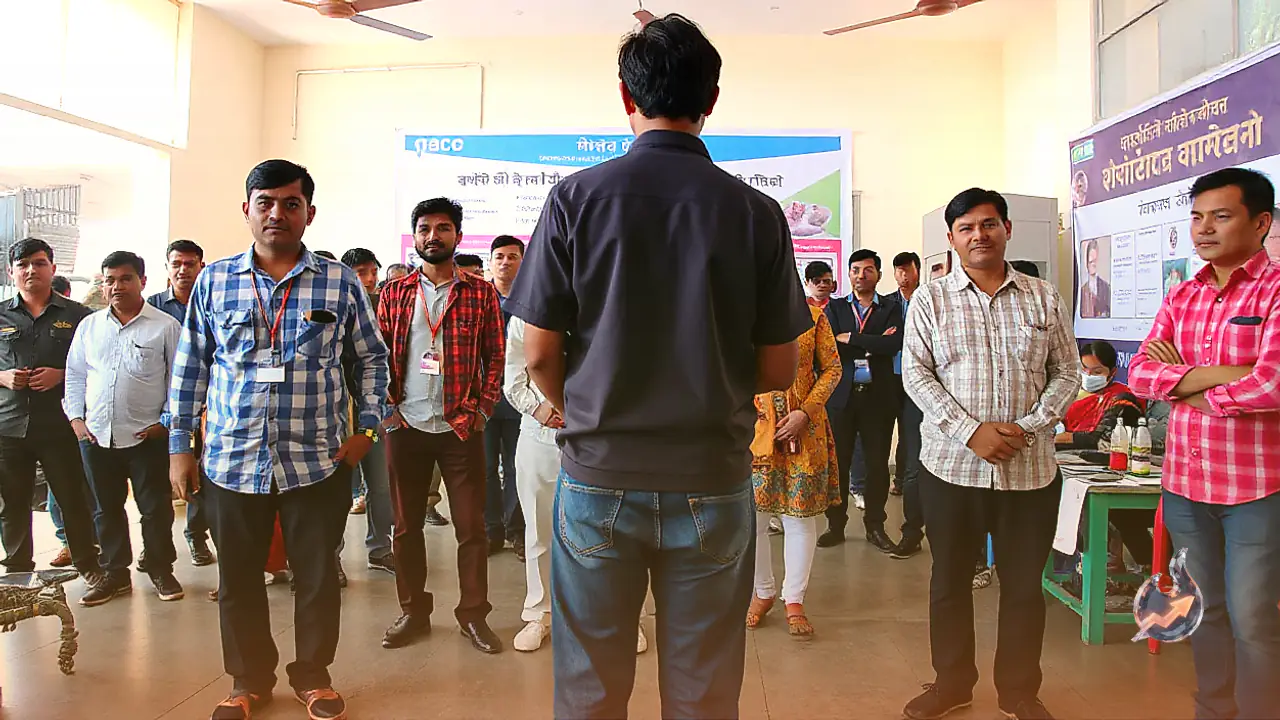
A substantial gathering of local men and women participated in the special gram sabha meeting in Kobja. Addressing the gathering, community members raised serious concerns regarding ongoing religious conversion efforts in the vicinity. According to the villagers, these activities pose a direct challenge to the customs, social fabric, and distinct religious traditions of the Sarna tribal community. Emphasizing the urgent need to preserve their ancestral faith and cultural legacy, the attendees collectively agreed that halting the entry of religious clergy was essential to maintain their indigenous identity.
Invocation of PESA and Fifth Schedule Rights
Prominent Sarna community social activist and revenue officer Nisha Oraon participated in the assembly and led the awareness campaign among the villagers. Addressing the gathering, she highlighted that the spread of conversion has emerged as a matter of deep concern for the Sarna society. She explained that Kobja falls under the Fifth Schedule of the Indian Constitution, where the Provisions of the Panchayats (Extension to Scheduled Areas) Act, widely known as PESA, is fully applicable.
Nisha Oraon pointed out that PESA legally empowers gram sabhas to protect, preserve, and safeguard their traditional community customs, practices, and cultural identity. She urged the villagers to recognize their statutory rights and actively utilize the institutional authority of the gram sabha. Guided by this legal framework, the assembly voted to implement the restriction and officially installed the signpost barring entry.
Legal Scrutiny Surrounding the Village Council Directive
The resolution passed by the gram sabha has brought the legal standing of such community-enforced restrictions into sharp focus. While the PESA legislation clearly grants local tribal bodies broad powers to preserve community traditions and safeguard customary practices, the law does not explicitly confer the power to enforce blanket bans on the physical entry or movement of individuals belonging to specific religious groups. Consequently, the legal validity of the prohibition remains a critical subject of scrutiny, with stakeholders awaiting an official stance from the local administrative authorities to determine how the directive will be handled on the ground.