




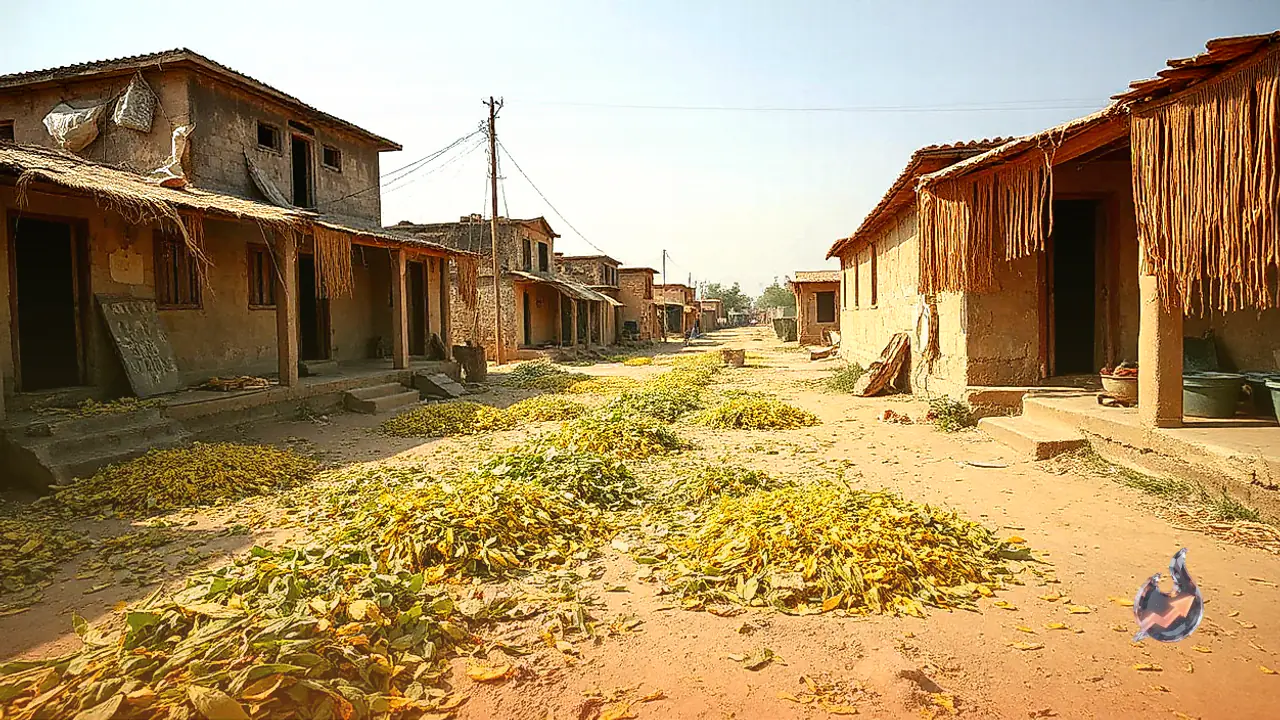
















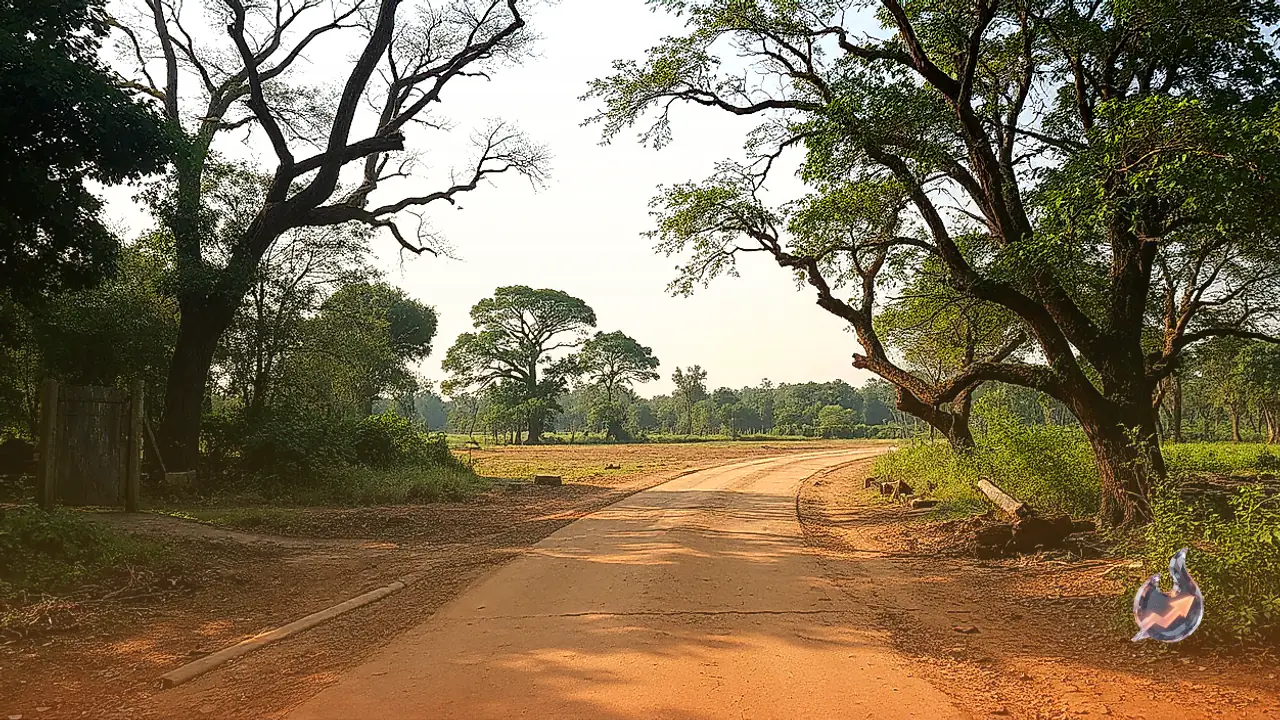

Authorities at Jharkhand's Palamu Tiger Reserve have introduced significant regulatory updates aimed at integrating surrounding village communities into local eco-tourism. Under the newly approved fare structure, local residents residing within the reserve perimeter will no longer need to pay the standard tourist rate to tour the sanctuary. Forest management has slashed the safari fee for local villagers to a nominal 50 rupees per person, down from the previous expense of 1950 rupees. The initiative is designed to offer direct financial relief to forest communities and foster stronger local involvement in wildlife preservation efforts.
Community-Run Safari Vehicles to Handle Forest Tours
Forest excursions for residents under this discounted scheme will be conducted using vehicles managed by the local Eco Development Committee. Officials clarified that the subsidized rate is strictly restricted to villagers living within the designated boundaries of Palamu Tiger Reserve. External travelers visiting the sanctuary will continue to pay the standard fee of 1950 rupees per safari vehicle. The 50 rupees collected from each local resident will be channeled directly into the upkeep, mechanical maintenance, and routine cleaning of the safari fleet.
The administrative measures were finalized during a consultation held at Kila Naka inside Betla National Park. In the session, Deputy Director Prajesh Kant Jena met with area villagers and forest personnel to address wildlife protection measures, sustainable tourism protocols, and community engagement. Management underscored that safeguarding wildlife and preserving forest biodiversity remain paramount, requiring all future visitor movements to operate strictly under established safety guidelines.
Mandatory Safari Vehicles for Palamu Fort Entry
Stricter accessibility guidelines have also been implemented for the historic Palamu Fort due to its location in ecologically sensitive terrain. Recognizing its cultural and architectural prominence, reserve authorities carried out extensive documentation of the fort's history and published a dedicated book on the site. A comprehensive restoration proposal has been submitted to the Government of India, with the Jharkhand state government actively pursuing conservation work. Because the fort stands deep inside tiger reserve territory, strict compliance with wildlife protection norms is mandatory for all visitors.
Previously, tourists were permitted to travel directly to the ancient fort through unregulated and conventional routes. Traditional unguided access has now been completely banned, making it obligatory for everyone visiting the monument to board an authorized safari vehicle. Recent camera trap surveillance around the surrounding terrain has confirmed regular movements of wild animals, including chital, elephants, leopards, and bison. Restricting transit to organized safari vehicles ensures that human traffic does not disrupt sensitive wildlife corridors or endanger travelers.
Tourism Revenue Distribution and Village Livelihoods
During the community briefing, forest officials detailed the breakdown of tourism revenue, highlighting how safari fees support the regional economy. Out of the 1950 rupees charged to general tourists, roughly 1450 rupees flows directly back to the local community, generating stable employment and livelihood opportunities for village families. The remaining 500 rupees covers vehicular operations, fuel costs, regular servicing, waste handling, and administrative supervision. By connecting economic incentives directly to wildlife tourism, the reserve aims to build stronger community-led conservation partnerships.
Strict Ban on Littering with ₹2000 Fine for Plastic Waste
To shield the forest ecosystem from degradation, authorities have imposed zero-tolerance penalties on environmental littering. Single-use plastic is entirely prohibited across all viewing points, heritage grounds, and safari tracks within the reserve boundaries. Anyone caught discarding plastic containers, packaging, or miscellaneous refuse in the forest will face an immediate penalty of 2000 rupees. The administration urged travelers and residents alike to maintain pristine surroundings and actively support responsible eco-tourism across Palamu Tiger Reserve.