























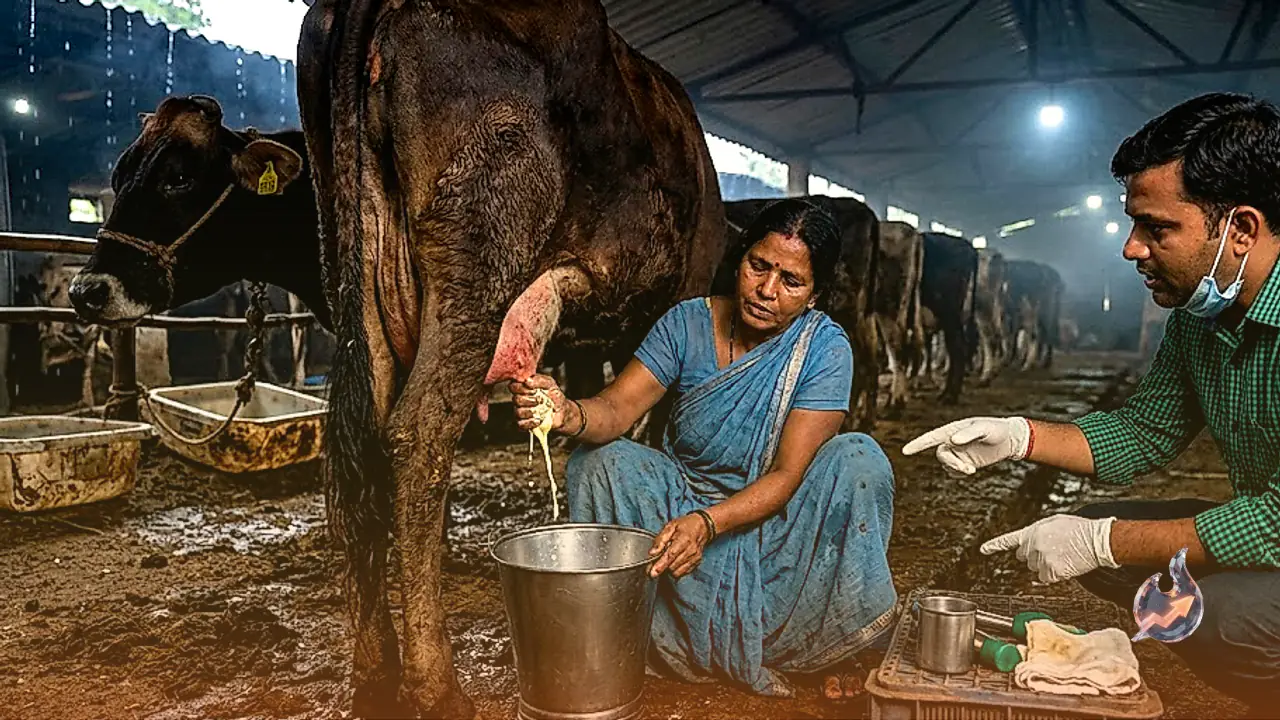

High levels of humidity and accumulated filth during the ongoing monsoon season in Koderma district have caused a concerning rise in mastitis infections among local milch cattle. Dairy farmers across the region are reporting increased cases of cattle suffering from udder complications, which worsen due to the damp environment in animal shelters. Rainwater logging and poor hygiene create ideal conditions for disease-causing pathogens to spread quickly, prompting livestock experts to issue urgent management guidelines to safeguard animal health.
Key Causes Behind the Outbreak and the Impact of Monsoon Moisture
Explaining the root causes of the disease, Rajnish Kumar, a livestock expert at Shri Koderma Gaushala, stated that mastitis primarily stems from dirty and unhygienic surroundings. During the rainy season, moisture and mud persist for extended periods in cattle sheds. This dampness creates a favorable breeding ground for harmful germs, bacteria, flies, and mosquitoes. As flies and insects proliferate, they easily transmit infection across the herd. When cattle rest on wet, contaminated floors, bacteria enter the udder tissue directly. To mitigate this risk, cattle owners are strongly advised to clean animal housing daily and regularly sanitize the premises by spraying phenyl as needed.
Recognizing Mastitis Symptoms and Its Effect on Milk Quality
Mastitis inflicts a direct and severe impact on both cattle health and daily milk yields. Infected animals experience pronounced udder swelling accompanied by significant pain and discomfort. As the condition progresses, the natural flow of milk is disrupted, resulting in milk that appears clotted, thick, or abnormal in texture. This transformation not only causes acute distress to the animal but also compromises the quality and safety of the milk. If left untreated, mastitis can escalate into a severe chronic condition, potentially leading to permanent damage to the udder and long-term loss of milk production capacity.
Contagion Risks in High-Density Barns and Isolation Protocols
The risk of contagion is particularly acute in facilities where large numbers of dairy cattle are housed together in close proximity, such as commercial farms or communal gaushalas. Once a single animal contracts mastitis, pathogens can rapidly spread to healthy livestock through shared space or equipment. At the first sign of symptoms, the affected animal must be immediately isolated from the rest of the herd. Furthermore, all tools, buckets, cloths, and floor areas that come into contact with the infected animal must undergo thorough washing and disinfection to prevent cross-contamination.
Udder Sanitation Practices and Recommended Early Treatment
Maintaining strict hygiene protocols during the milking process is vital to controlling mastitis spread. Expert Rajnish Kumar emphasized that dairy farmers must clean and wash udders thoroughly both before and immediately after milking. If an animal exhibits udder swelling or milk abnormalities, farmers should seek immediate medical advice from a qualified veterinarian rather than delaying treatment. In the initial stages of infection, applying Mastilep ointment directly to the affected udder offers an effective early intervention to alleviate pain and suppress the disease.