



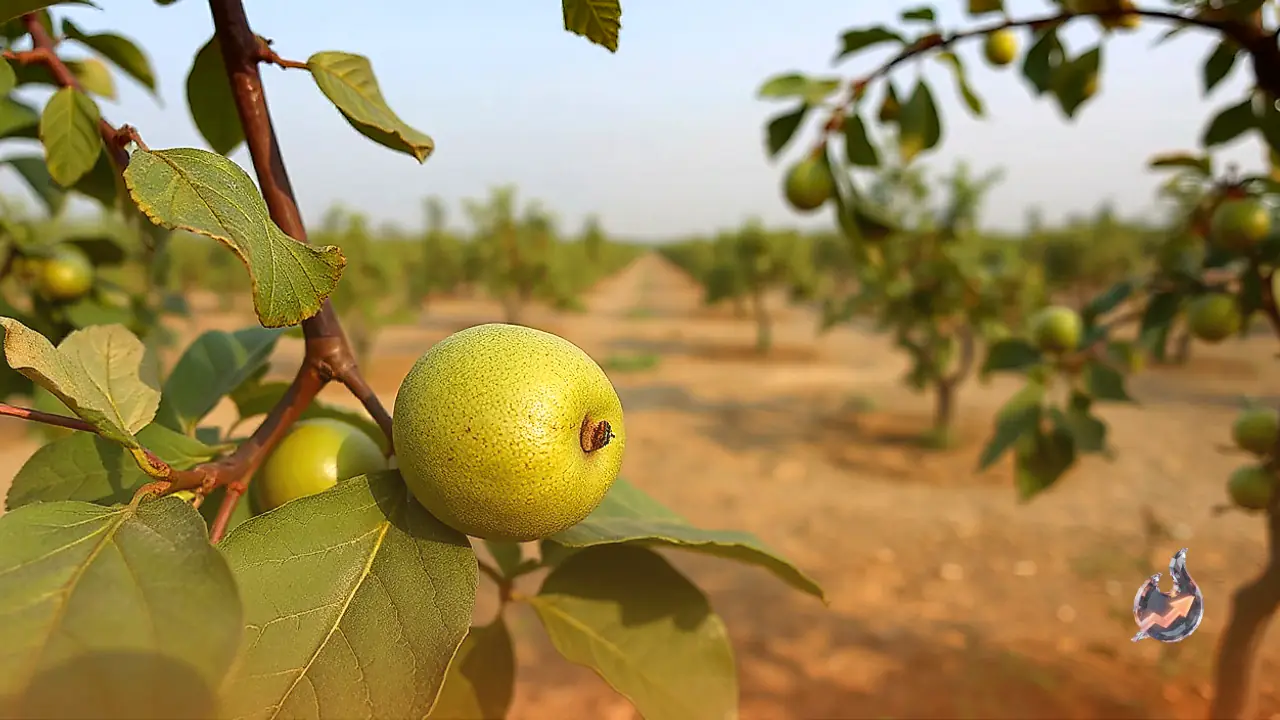















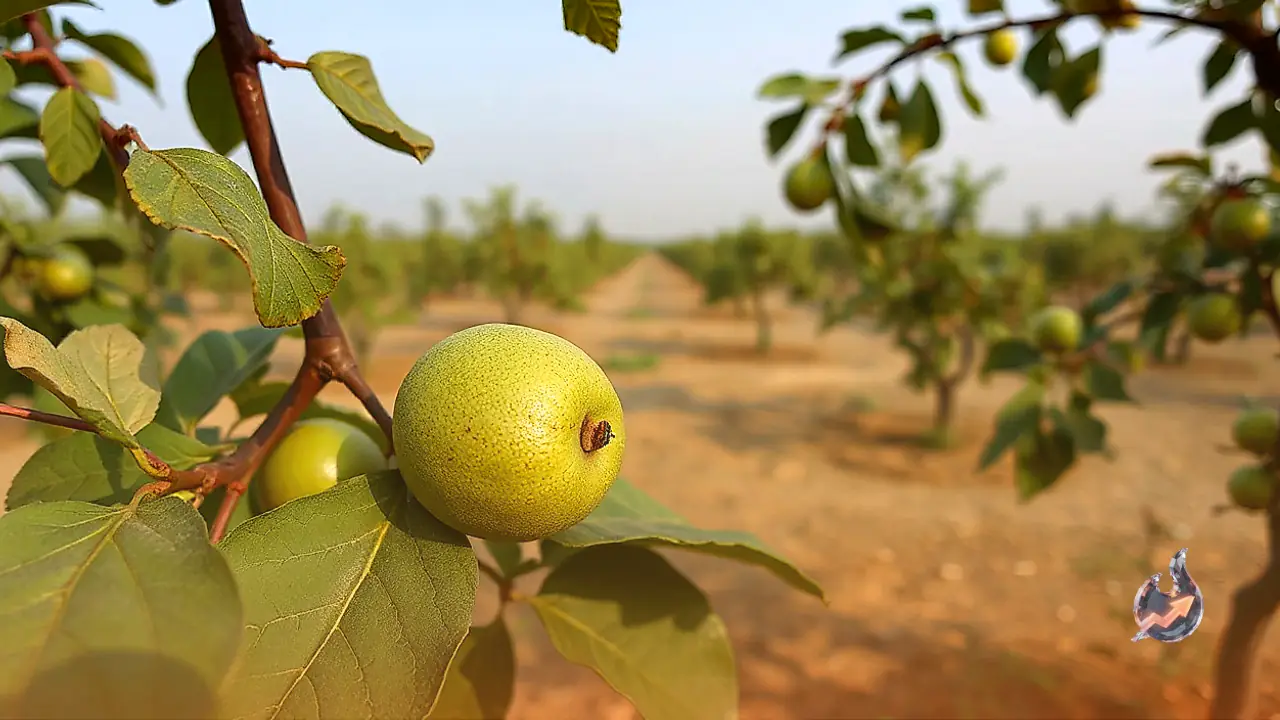

Gurla village in the Bhilwara district holds a distinct reputation for guava cultivation, with numerous farmers depending on this farming for their livelihood. As the winter season begins, the threat of various pests on guava orchards starts escalating significantly. Consequently, farmers engaged in guava farming need to exercise special caution. During winter, pests such as fruit flies, mealybugs, aphids, and fruit borers can inflict substantial damage to the guava crop. Attacks from these pests cause fruits to rot and also leave visible impacts on the leaves. Often, a lack of timely attention severely affects both crop quality and overall production. Therefore, farmers must regularly inspect their fields to identify pests and implement protective measures in a timely manner.
Fruit flies damage crops from within
During the winter months, varying pest infestations can be observed in guava crops, with fruit flies ranking among the most destructive pests. These insects lay eggs inside the guava fruit, after which larvae begin to develop internally, causing the fruit to rot and spoil. Sometimes, the fruit appears completely normal from the outside while being entirely ruined on the inside. Similarly, mealybug pests suck sap from the leaves, twigs, and tender parts of the plants, causing plant growth to weaken and leading to the appearance of a white cotton-like layer on the leaves.
Aphids and fruit borers pose additional threats
Aphids also cause notable damage to guava plants. They suck sap from tender leaves and new shoots, causing the leaves to curl and stunting the plant development. Meanwhile, fruit borer insects can penetrate deep inside the fruit, causing severe internal damage. This ruins the fruit quality and creates difficulties in securing fair prices in the market. To defend against these pests, farmers must first conduct regular orchard inspections. Damaged, rotted, and fallen fruits beneath the trees should be collected and destroyed to prevent the infestation from spreading further. Gardens must be kept clean, and weeds should be removed periodically.
Prevention and management strategies for growers
Appropriate pheromone traps can be utilized for controlling fruit flies. Meanwhile, special attention must be paid to affected twigs and leaves upon the earliest appearance of mealybug and aphid symptoms. When necessary, proper pesticides should be applied strictly under the guidance of the agriculture department, avoiding any spraying without adequate knowledge. It is equally important to adhere to correct dosage amounts, spraying times, and the waiting period before harvesting. Growers need to take initial pest attacks seriously and adopt control measures promptly. A little caution and regular monitoring can protect guava fruits and foliage from extensive ruin.