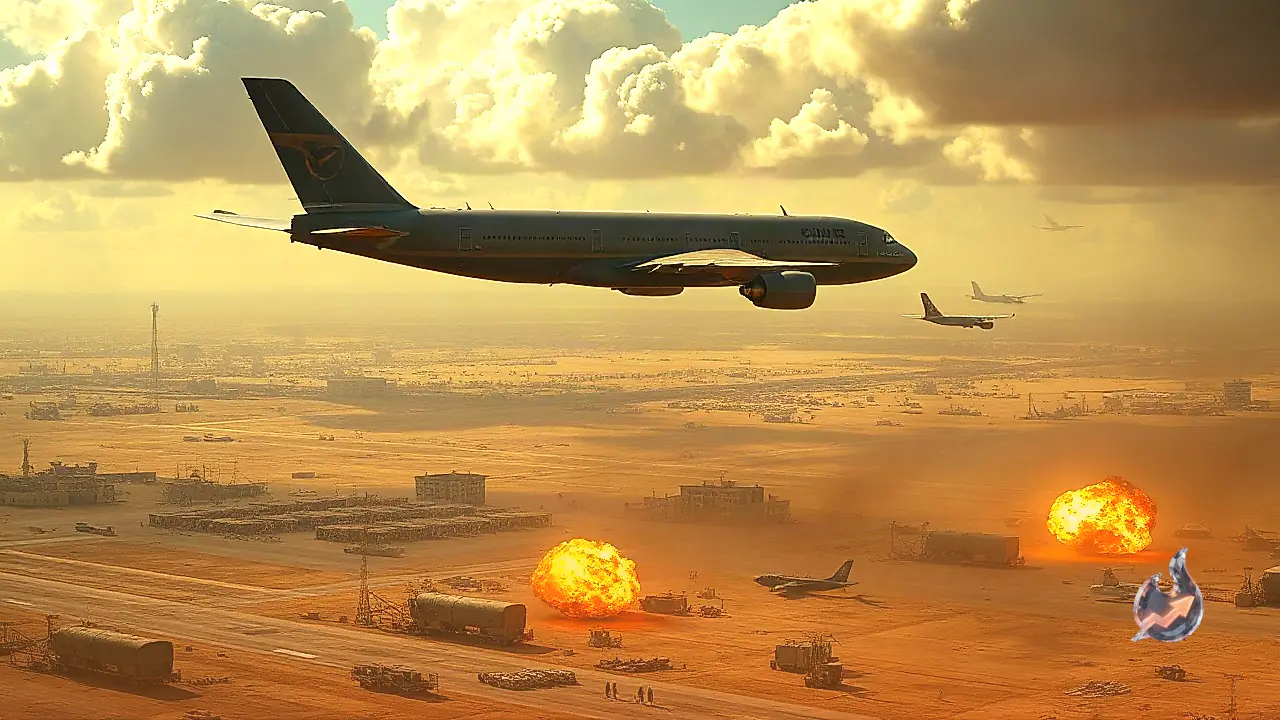

























A sharp escalation in military hostilities has once again gripped the Middle East as armed clashes intensify between Saudi Arabia and Houthi fighters operating out of Yemen. Both parties have been repeatedly striking each other's strategic installations. Houthi forces have actively targeted Saudi infrastructure as well as maritime commercial traffic navigating the critical transit lanes of the Red Sea. Furthermore, rebel units have seized control over several strategic islands situated within the vital Bab al-Mandab Strait. Amid these aggressive developments, serious questions arose regarding why the United States hesitated to intervene militarily to defend its longstanding regional ally.
Strike Preparations Finalized Following Saudi Request
Accounts detailing the internal military planning indicate that the United States military had gone as far as identifying and locking in precise strike targets belonging to Houthi rebels inside Yemen. This initiative gained momentum following a direct appeal from Saudi Crown Prince Mohammed bin Salman, who urged US military intervention to counter the rebel offensive. Following that outreach, the Pentagon mapped out the operational targets and American armed forces stood fully prepared to execute the mission. Nevertheless, at the very last moment, President Donald Trump reversed course, issuing a directive that halted the planned strikes before they could be launched.
The Timeline Behind the Strategic Reversal
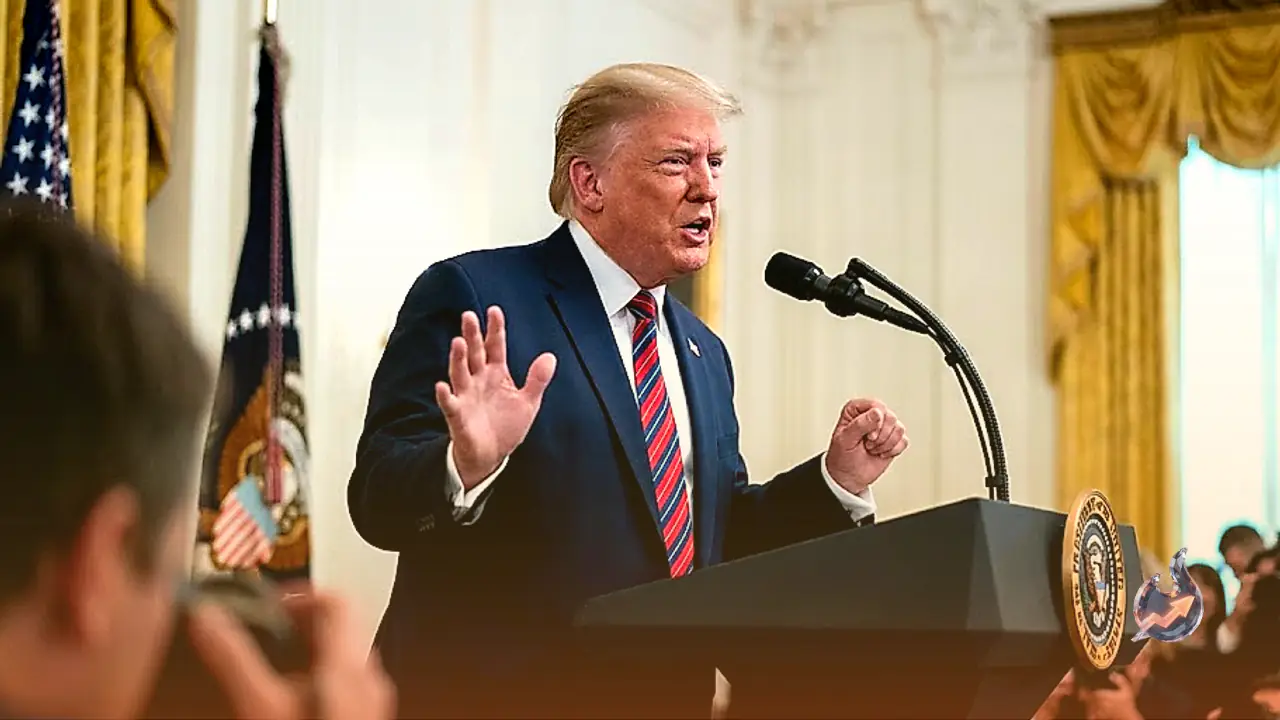
The sequence of operational decisions reveals a fluctuating trajectory at the highest levels of the US administration. On September 16, Trump initially informed his national security advisors that he did not support launching offensive strikes against Houthi positions. However, a high-stakes conversation subsequently took place between Trump and Saudi Crown Prince Mohammed bin Salman. Following that direct dialogue, Trump shifted his stance and authorized a military offensive against the rebels. In response, Pentagon planners selected specific targets and placed armed forces on high alert to carry out the operation. Yet, right before execution, Trump once again changed his assessment and completely called off the proposed military operation.
Reluctance to Open an Additional Military Front
While the United States maintains a deep defense relationship with Riyadh, it continues to keep its direct forces away from an active shooting war with the Houthis. Washington recently cleared a massive foreign military sales package to Saudi Arabia valued at 24.3 billion US dollars. That authorized transaction encompasses 48 advanced F-35 fighter aircraft along with related mission hardware and components. Despite providing substantial defense equipment, senior American officials have indicated a distinct reluctance to open an entirely new combat front against Houthi rebels, largely because US strategic capabilities and attention remain heavily occupied with countering challenges tied to Iran. Nevertheless, American authorities continue their commitment to provide Saudi forces with specialized security training and defensive assistance.