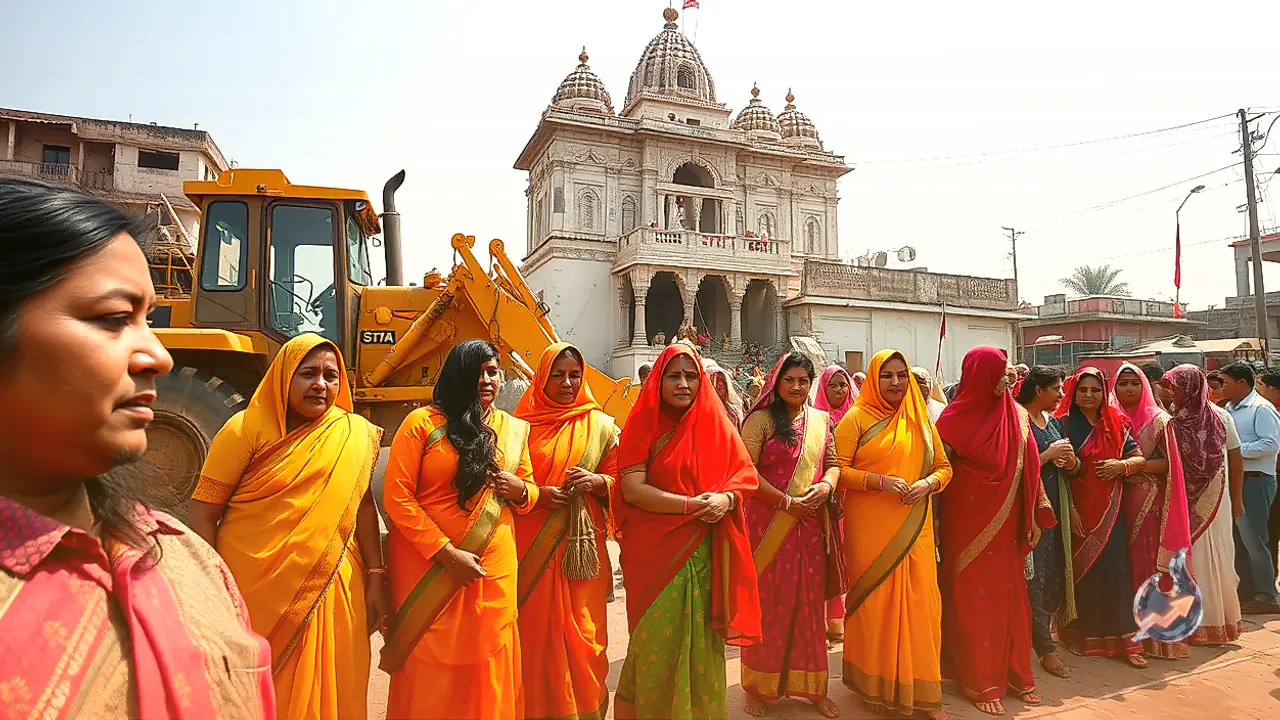
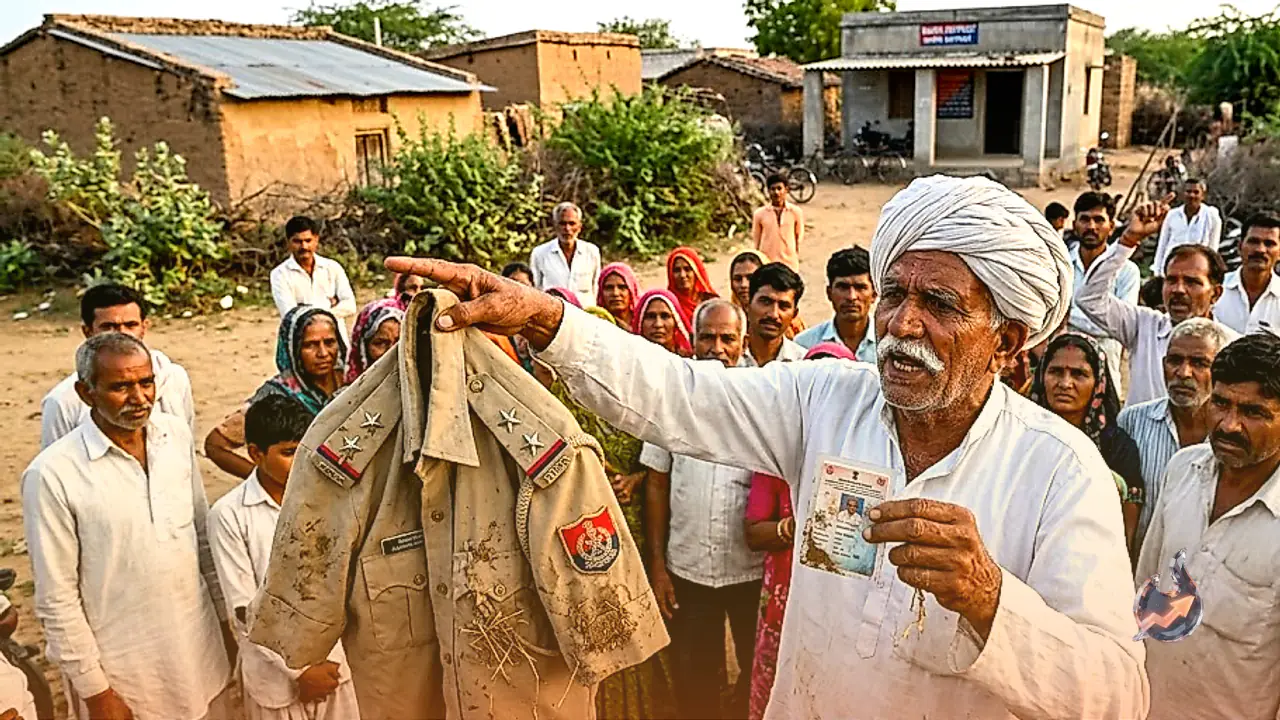




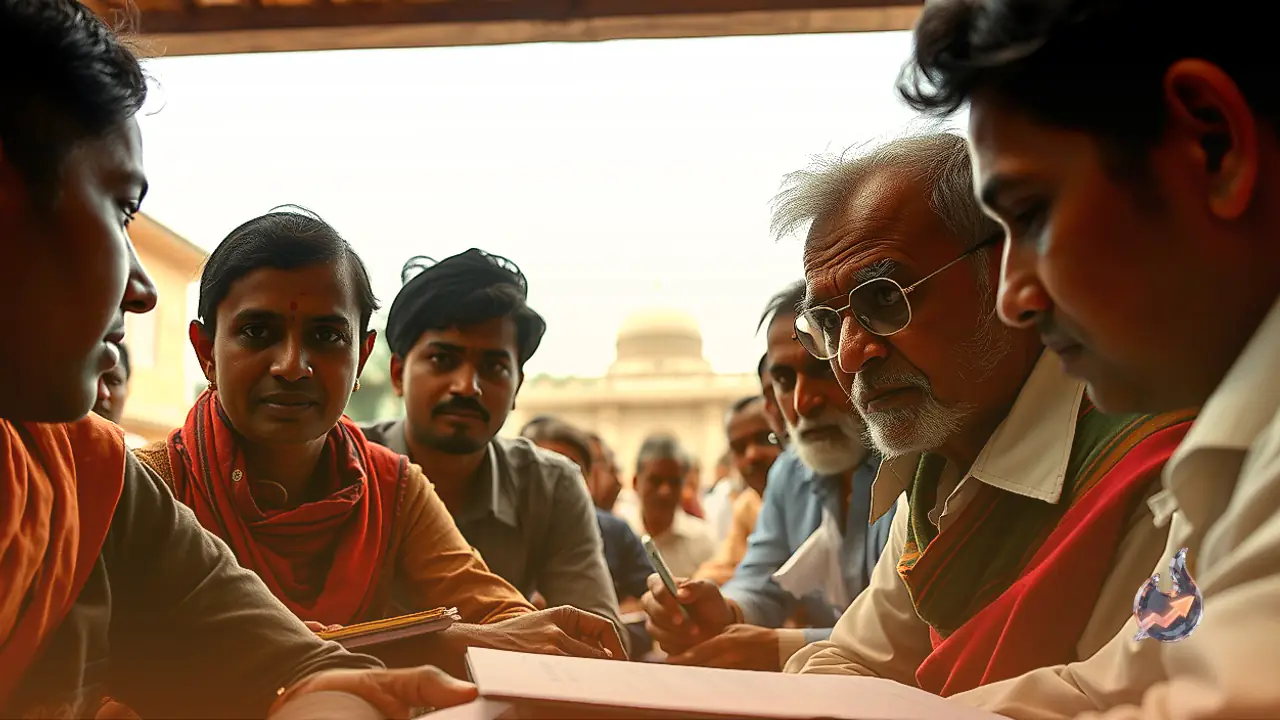














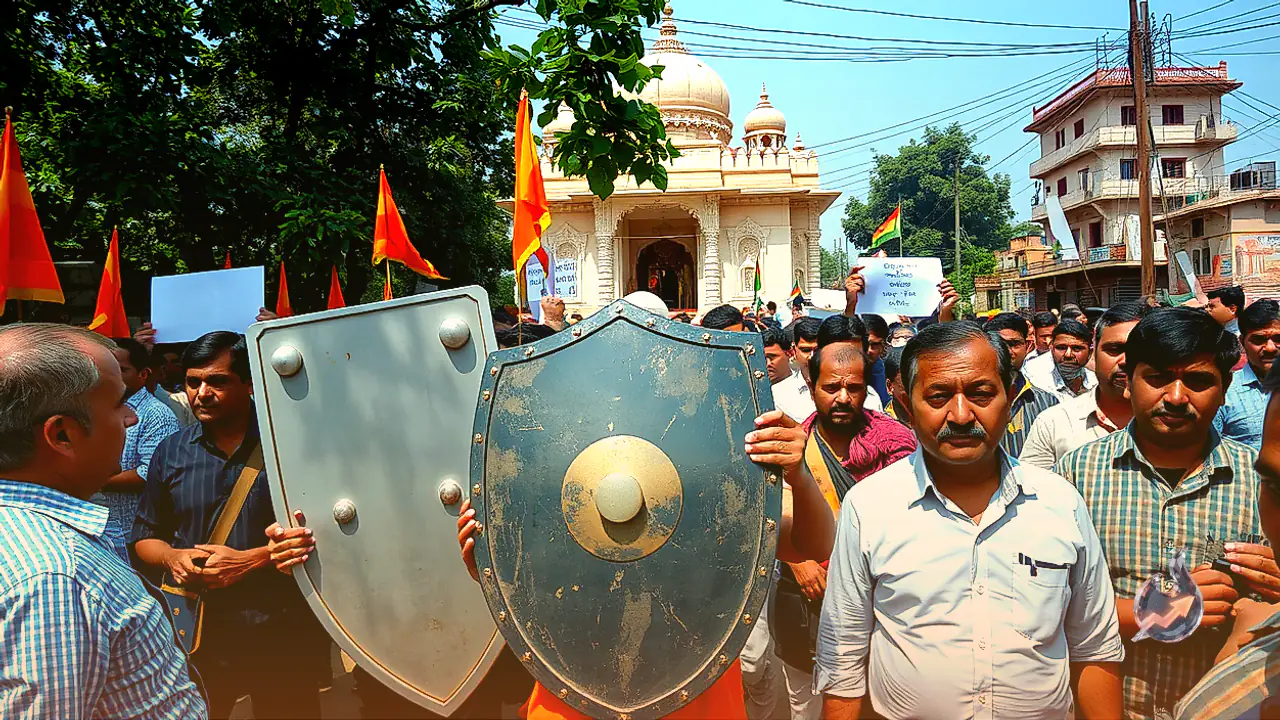

In the historic city of Meerut, a quiet yet determined struggle is playing out to protect a landmark intrinsically tied to the memory of Mahatma Gandhi. While the nation commemorates the birth anniversary of the Father of the Nation with varied events, employees affiliated with the Kshetriya Shri Gandhi Ashram Karamchari Sangathan have been demonstrating for the past 3 years to prevent the property of Shri Kshetriya Gandhi Ashram from being alienated. The protesting workers view the establishment as a sacred national heritage that must be safeguarded from private commercial liquidation.
The Trajectory of the Demonstration and Its Resumption
The sit-in originally began on October 9, 2023, as a grassroots movement to defend the assets of the Gandhi Ashram. Although the protest continued unabated for months, it was temporarily put on hold on January 13, 2025, after assurances of prompt intervention arrived from various administrative levels. However, because those commitments did not translate into decisive measures against alleged asset divestment, the workers resumed their agitation on April 21, 2025.
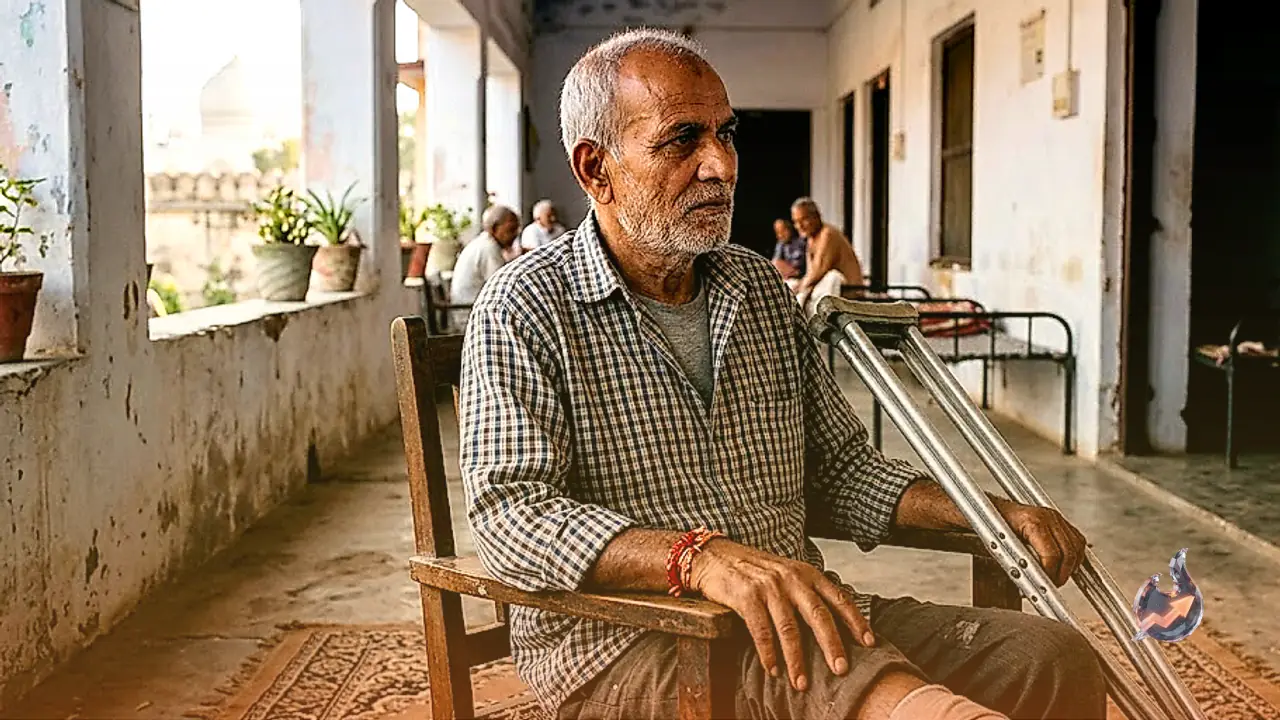
Since that date, staff members have maintained a round-the-clock vigil, spending both days and nights directly at the protest venue. Anantdev Kaushik, patron of the Kshetriya Shri Gandhi Ashram Karamchari Sangathan, explained that members affiliated with the regional Gandhi Ashram in Meerut and figures from Lucknow have been systematically trying to sell off the valuable holdings of the institution. He emphasized that the workers are resolved to stay put until all such disposal efforts are permanently halted.
Legislative Scrutiny and Chief Minister's Assurances
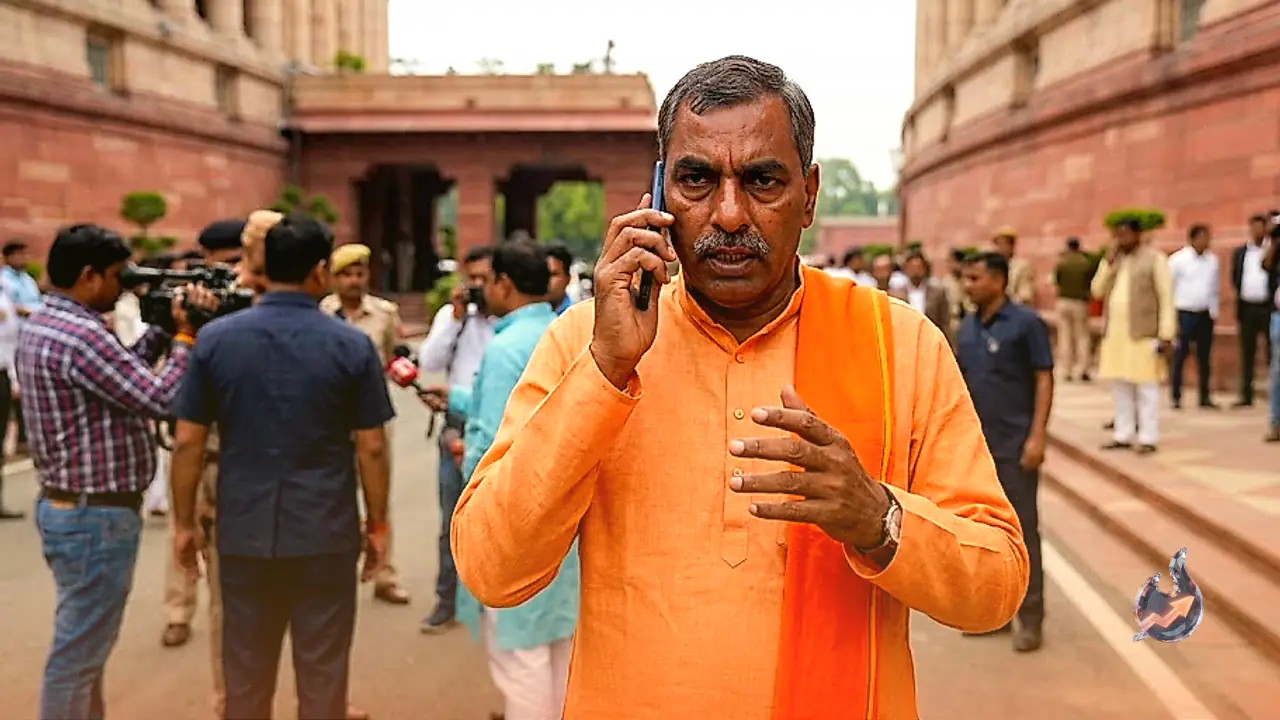
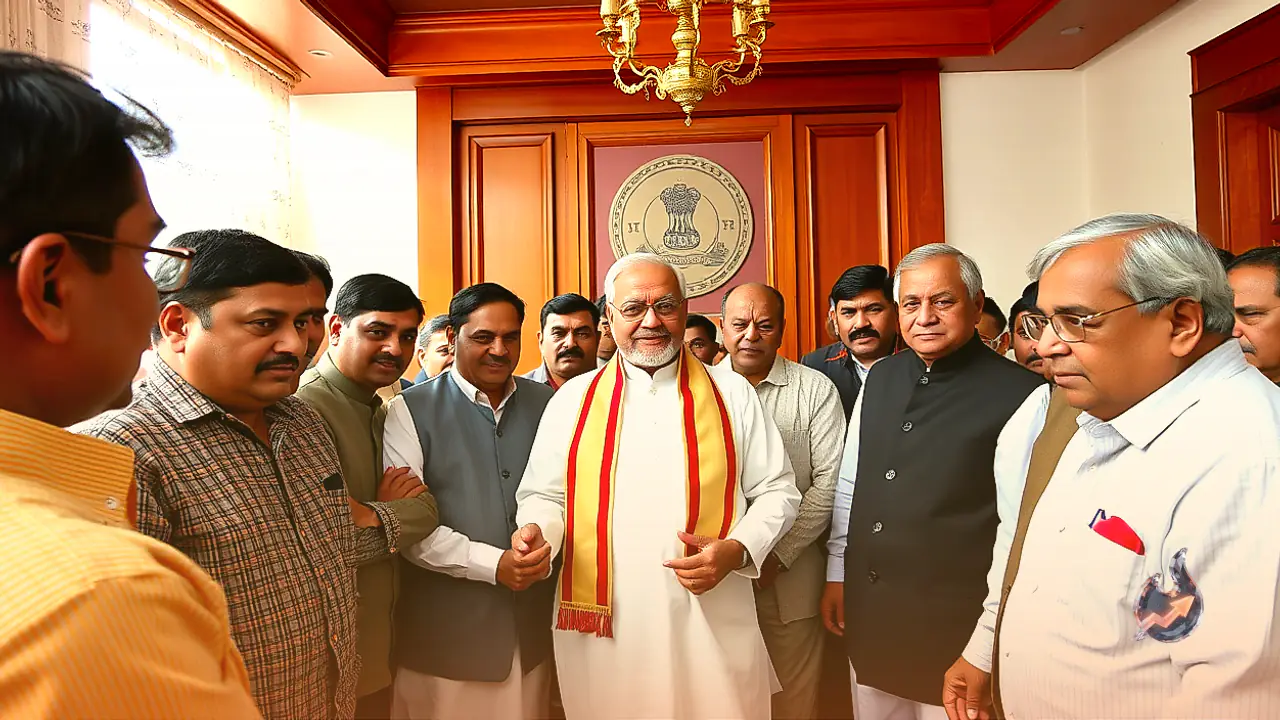
The controversy surrounding the ashram's land also reached the floor of the Uttar Pradesh Legislative Assembly. In December 2025, during an active assembly session, Mata Prasad Pandey, the Leader of the Opposition in the Uttar Pradesh Assembly, formally raised the plight of Meerut's Shri Kshetriya Gandhi Ashram. Demanding a comprehensive inquiry, he highlighted the growing unease over attempts to liquidate historical assets.
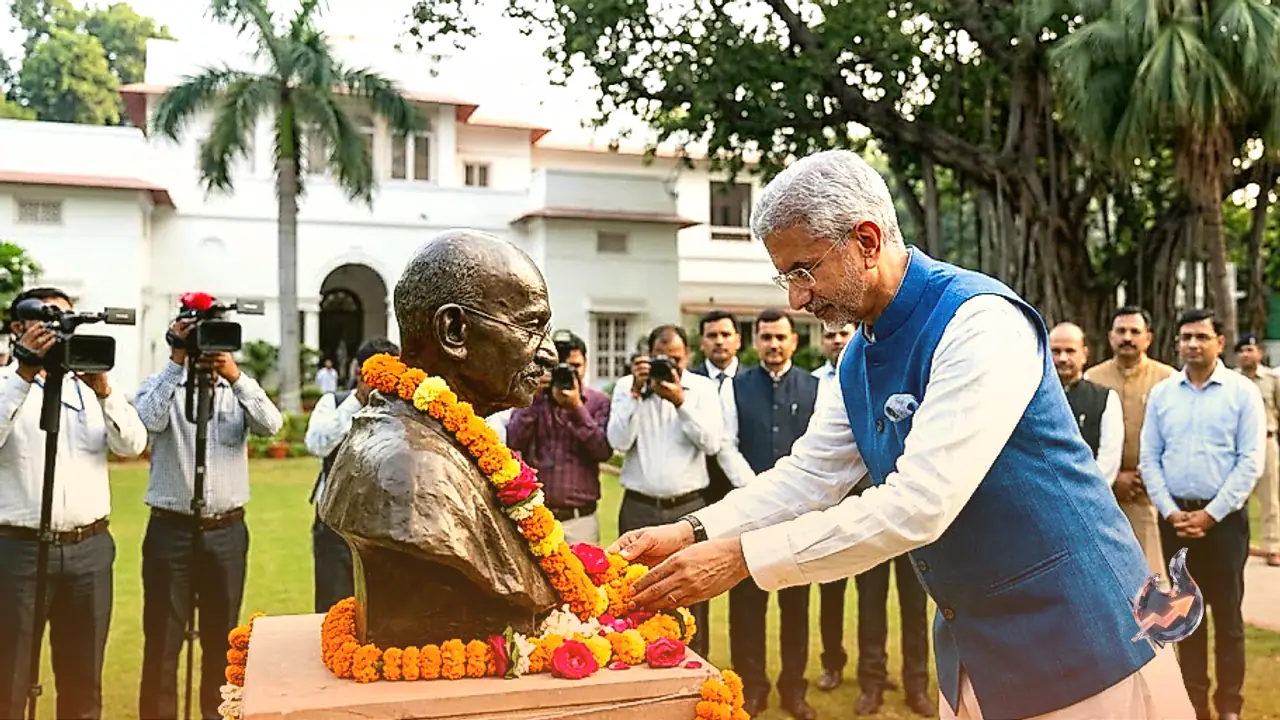
Responding directly to the discussion, Uttar Pradesh Chief Minister Yogi Adityanath assured the house that a thorough probe would be conducted into the allegations. The Chief Minister stated that anyone found attempting to usurp or improperly dispose of public or trust assets would face strict administrative action. Despite these assurances from the highest executive level, employees point out that field investigations have not yielded any meaningful enforcement yet. Consequently, even on Gandhi Jayanti, the agitators offered their tributes to Mahatma Gandhi from the demonstration site itself, reaffirming their pledge to guard the institution against harm.
Historical Legacy Dating Back to JB Kripalani in 1920
The Shri Kshetriya Gandhi Ashram carries a rich legacy interwoven with the freedom movement. Ashram worker Yogesh Kumar recalled that the institution's foundation was laid in 1920 by Acharya JB Kripalani. It was named Shri Kshetriya Gandhi Ashram only after obtaining the personal consent and endorsement of Mahatma Gandhi. Beyond functioning as a center for khadi production, the premises served as a pivotal nursery for political strategies aimed at ending colonial rule, with its workers actively participating in the independence movement.
Remarkably, the institution holds the distinction of having crafted the very first national flag hoisted when India attained independence. In addition, the ashram preserves unique customs passed down through generations, including the traditional mass spinning of the charkha in the days leading up to Gandhi Jayanti, keeping the spirit of self-reliance alive.
Decline from a Thriving Economic Hub to Just 40 to 45 Workers
Decades ago, the ashram operated as an economic lifeline for thousands of families across western Uttar Pradesh and surrounding regions. It sustained a vast network of spinners, weavers, and craftspersons, operating fully equipped workshops for textile printing, processing, and khadi garment manufacturing.
Today, that sprawling setup stands largely dismantled. The active workforce has dwindled dramatically to just 40 to 45 employees. Various traditional operations, including printing and weaving units, have been shuttered, leaving valuable real estate vulnerable to monetization. Workers lament that instead of reviving historical production activities that once empowered rural households, ongoing moves seek to liquidate these properties. Their ongoing non-violent protest remains the last line of defense for a site that played an indispensable role in India's journey to sovereignty.