


















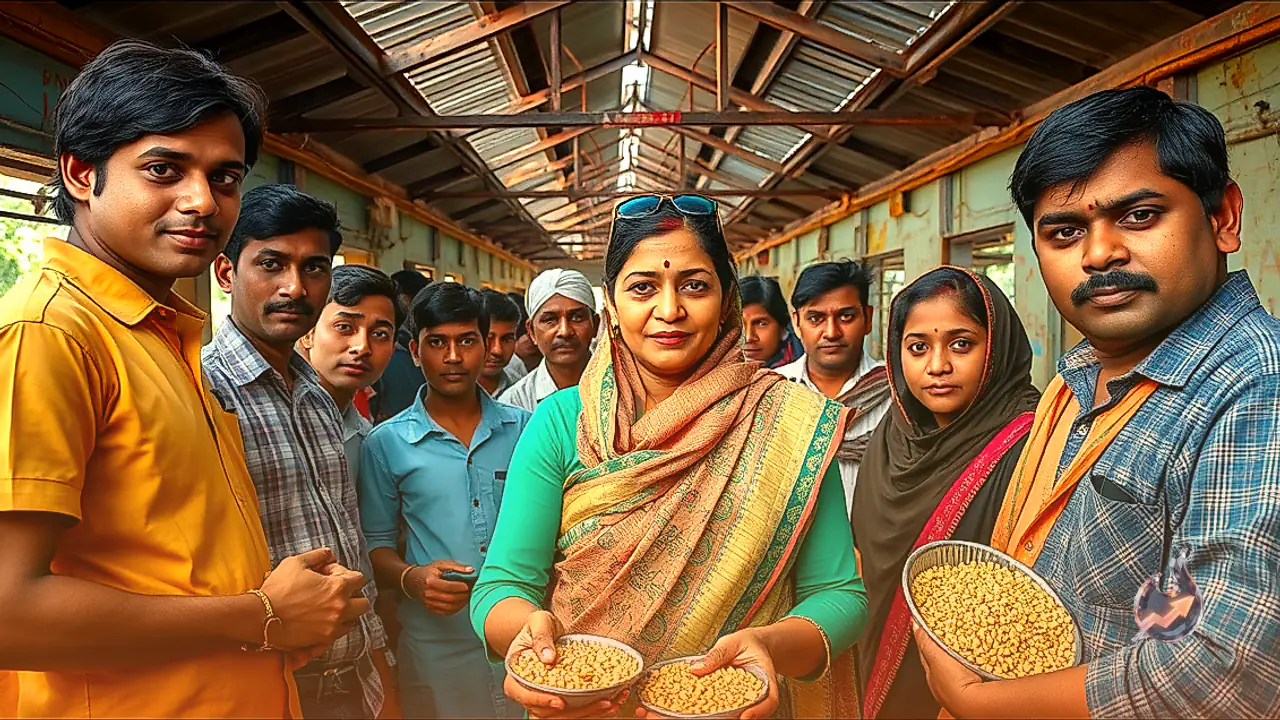

Rapidly shifting modern routines, marked by physical inactivity and poor dietary habits, have led to a noticeable surge in obesity and lifestyle-related ailments. Addressing this growing public health concern, Preeti Sharma, a dedicated schoolteacher from Moradabad, has designed an inventive millets train project. Through this creative visual installation, she aims to reintroduce nutrient-rich coarse grains into mainstream family diets by educating both school students and grown-ups on the vital benefits of traditional staples.
Using an Interactive Train Model to Showcase Coarse Grains
The core concept behind Preeti Sharma's project is to communicate dietary facts in an accessible, engaging manner. Different sections and compartments of the train model are configured to showcase a variety of millets, including staple grains such as jowar (sorghum) and bajra (pearl millet), along with wholesome meals and food items prepared from them. The visual layout illustrates exactly how simple coarse grains can easily become an indispensable part of everyday home dining.
Millets are naturally dense with critical micronutrients that modern processed foods often lack. According to Preeti Sharma, regular consumption of these traditional grains provides the human body with abundant reserves of calcium, iron, and dietary fiber, which play an essential role in sustaining a balanced, wholesome diet. Through the physical train model, schoolchildren are being guided on why coarse grains are vital for physical vitality and how they can be seamlessly blended into regular domestic meal plans.
Building Nutritional Awareness from Primary Schooling
While the model is designed to captivate young minds, Preeti Sharma emphasizes that the educational scope of the project extends equally to adults and parents. Instilling conscious food habits early during primary schooling allows children to internalize the tangible advantages of nutritious foods, embrace healthier lifestyle practices, and develop an instinctive caution toward adulterated items available in the commercial food market.
A notable facet of her teaching initiative centers on clarifying the fundamental differences between organic farming and chemical fertilizer usage. In her view, youngsters should be grounded in the basic realities of agricultural production and food sources. Understanding how crops are cultivated helps children appreciate the journey from farm to plate and deepens their respect for chemical-free, natural nutrition as a lifelong defense against lifestyle disorders.
Promoting Farming and Consumption Amid Rising Fast Food Habits
With urbanization, convenience-driven consumption of junk foods and substandard, adulterated edible items has escalated substantially. In such a climate, promoting coarse grains emerges as a practical and accessible countermeasure to common wellness issues. Adopting wholesome dining habits and relying on nutrient-packed staples can prevent an array of chronic health complications over time.
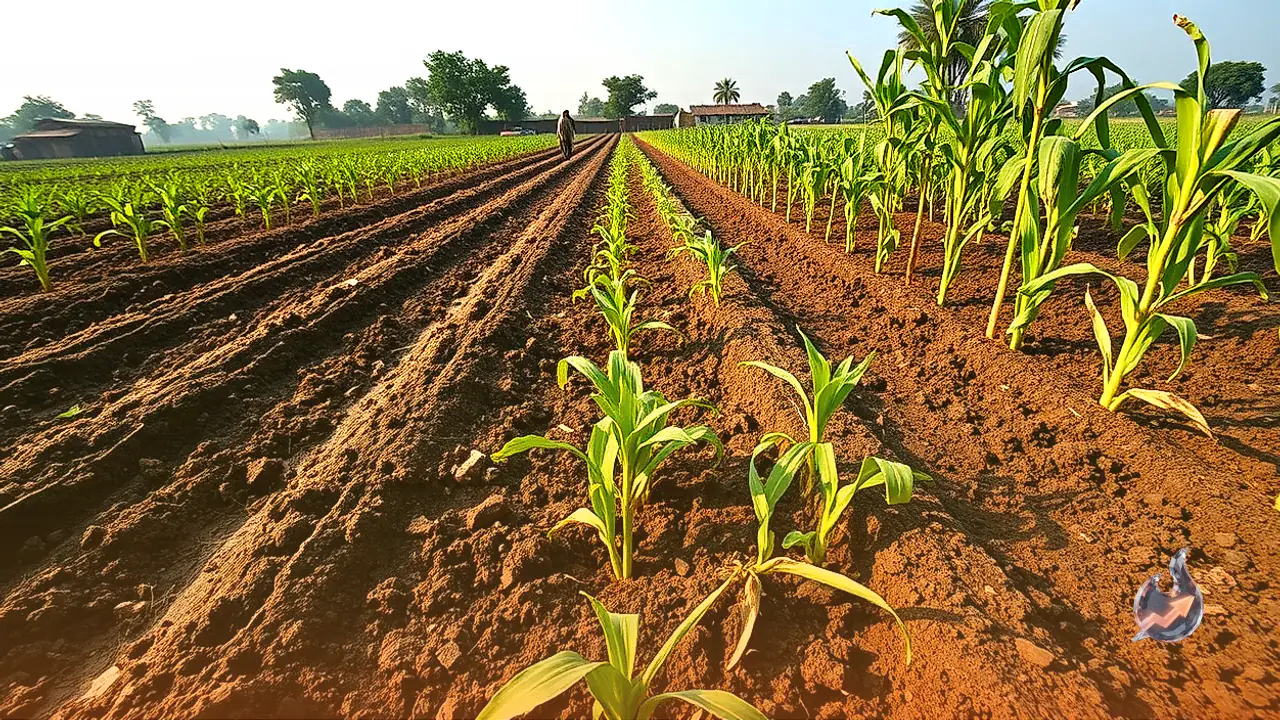
To maximize community outreach, this thematic train model is being exhibited across multiple locations. The goal is to bring the display in front of diverse crowds, inspiring families to replace empty calories with traditional coarse grains in their kitchens. Simultaneously, the initiative sends a supportive message to local farming communities, encouraging farmers to scale up millet cultivation so that production expands and healthy, grain-based food products remain readily available for ordinary consumers.