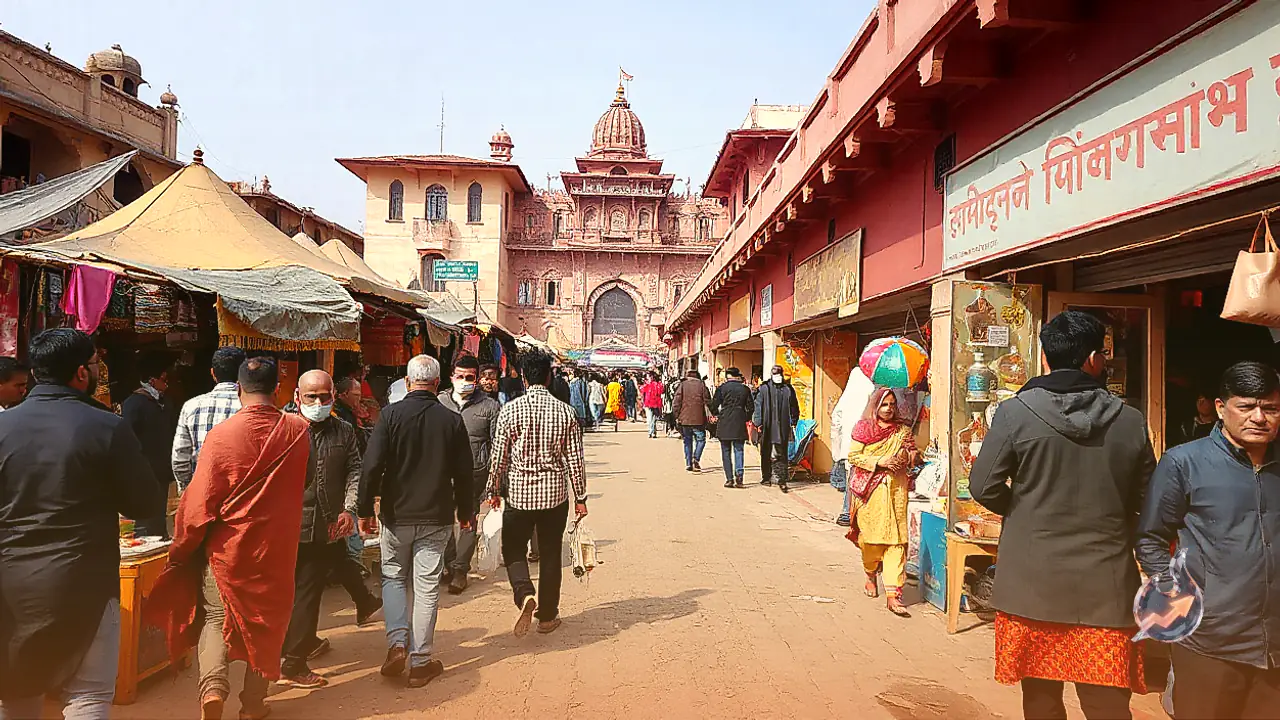

















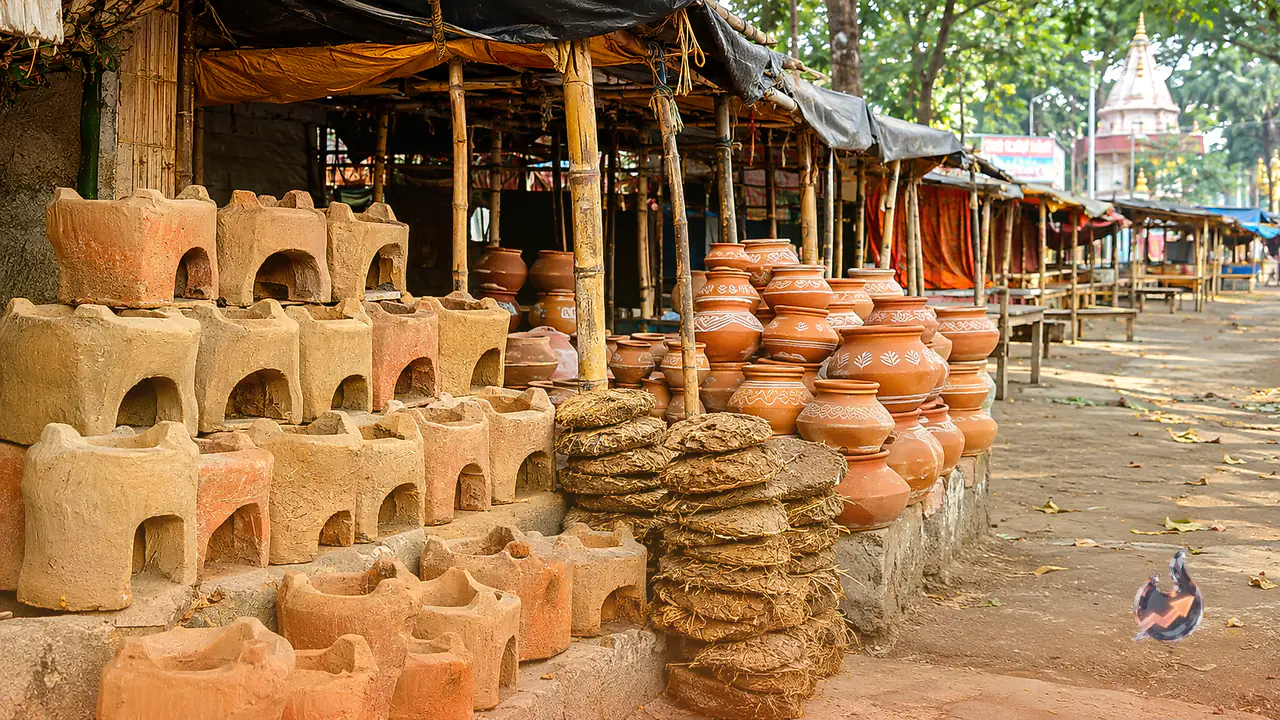

Following the conclusion of Diwali celebrations, residents in Jamshedpur have swiftly transitioned into preparations for the grand folk festival of Chhath. Every element of Chhath Puja, ranging from strict cleanliness to ritualistic cooking materials and the preparation of sacred offerings, holds immense religious significance. Traditionally, the prasad for Chhath is cooked exclusively on traditional stoves crafted from soil and cow dung. Upholding this age-old custom, specialized traditional stoves have officially arrived for sale at Jamshedpur's Handi Line market ahead of the upcoming festival.
Unique Materials and Capacities of the Stoves
Stoves meticulously handcrafted using a blend of mud, cow dung, straw, and husk are currently catching the attention of shoppers at the market. These specialized units are constructed specifically to facilitate the cooking of traditional festival offerings such as thekua, pua, kheer, and other sacred delicacies required during the worship. For the current season, these stoves are priced in the market ranging from 120 rupees to 150 rupees. Depending on the physical dimensions and built capacity of each stove, anywhere from 15 kilograms to 25 kilograms of prasad can be comfortably prepared in a single session. This flexibility allows individual households to select the ideal size based on their specific family requirements and the volume of offerings they intend to make.
Production Process Begins Three Months Prior
Deepika Devi, one of the artisans who crafts these stoves, explains that producing these traditional units for Chhath is far from an ordinary task. The entire manufacturing process requires supreme ritualistic purity, strict cleanliness, and meticulous caution. She notes that artisans must bathe every morning before touching the materials to maintain sanctity. The construction involves combining soil, cow dung, straw, and husk in precise measures. All these elements are thoroughly blended together to mold the clay into a sturdy and resilient structure capable of enduring high heat.
Extended Drying Period to Ensure Durability
According to Deepika Devi, the extensive process of manufacturing these stoves kicks off approximately three months in advance. The primary reason for this early timeline is that the stoves possess a substantial size and require a considerable amount of time to dry thoroughly under the sun after being shaped. If a stove fails to dry completely through its core, it runs a high risk of cracking or breaking during actual use when subjected to fire. Consequently, artisans fabricate them well ahead of time and store them safely so that devotees do not face any inconvenience during the festive rush.
Preserving Tradition, Purity, and Ritualistic Integrity
Absolute purity and ritual cleanliness form the cornerstone of Chhath Puja observances. Because of this unwavering commitment, numerous families continue to prioritize traditional mud and cow dung stoves over modern liquid petroleum gas burners for preparing festival prasad. The sacred offerings cooked upon these traditional hearths are subsequently dedicated to Chhath Maiya. The arrival of these stoves in Jamshedpur markets signals the widespread commencement of festive preparations across the city. Local merchants have stocked their inventories and are actively awaiting the arrival of buyers. The presence of these earthen stoves right after Diwali clearly indicates that the city is fully immersed in welcoming the sacred festival of Chhath.